
Mexican organic mango production is thriving
January 15 , 2026
Writing and reporting by Macarena Bravo | Lee esta noticia en Español

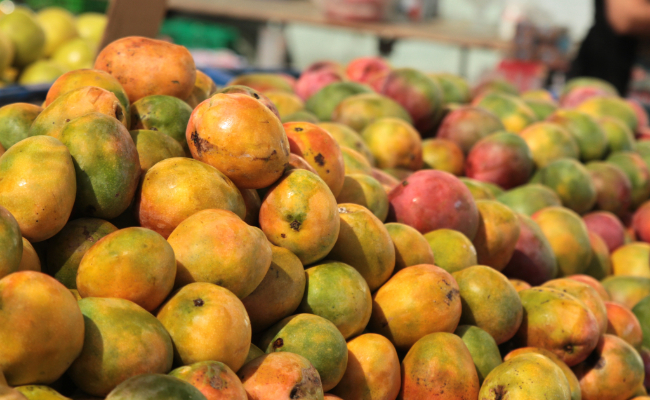
Organic mango production in Mexico continues to grow as a result of coordinated efforts involvingthe Mexican Ministry of Agriculture and Rural Development, more than 40,000 small- and medium-scale producers, and 21 certification bodies.
In 2025, Mexico produced over 370 fresh organic mango products and approximately 1,700 certified processed products.
These achievements were highlighted during the 10th Annual 2025 Meeting between the National Service for Agri-Food Health, Safety, and Quality (SENASICA) and the Organic Certification Bodies (OCOs) association.
Participants noted that, after 11 years of implementation, more producers are complying with the Organic Products Law (LPO), thereby ensuring consumer confidence in the integrity of organic food, including organic mangoes.
Speakers also noted that Mexico and Canada trade organic products without dual certification, as the former's regulations meet the necessary standards. This streamlines trade and reduces costs, especially for small- and medium-scale producers.
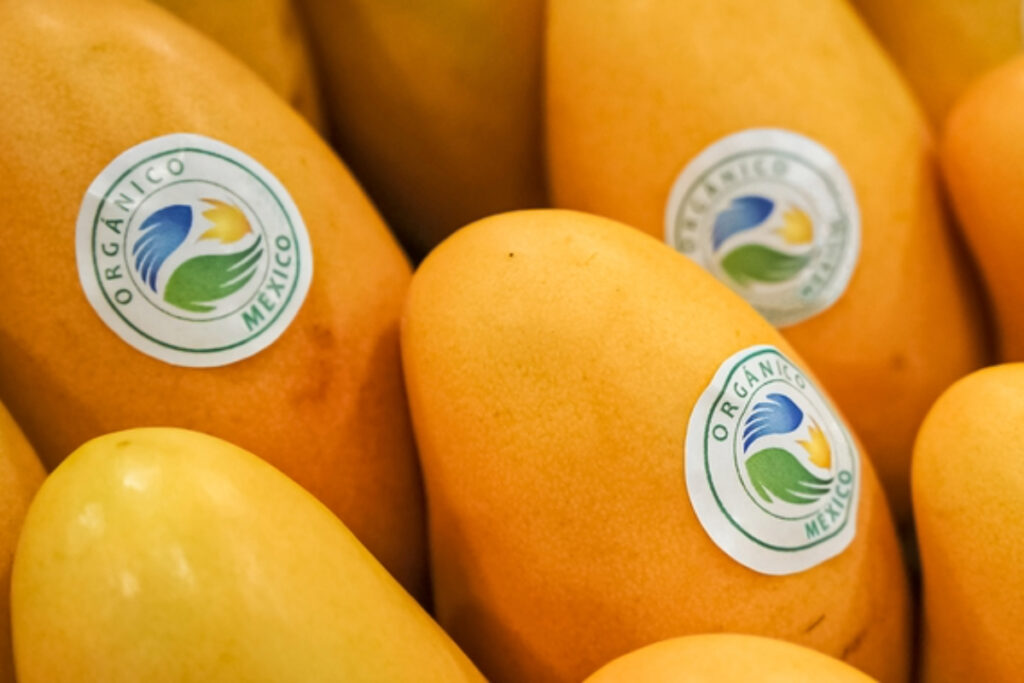
Certification bodies also regularly evaluate compliance with the LPO and the use of the “Organic Mexico” seal, granted by the Ministry of Agriculture. These efforts, the organizations said, help prevent product falsification, add value, and improve market access.
Mexico’s organic mango production
Mexico’s organic production currently covers about 520,166 acres, mainly in the states of Chiapas, Sonora, Jalisco, Sinaloa, Baja California, Michoacán, and Oaxaca.
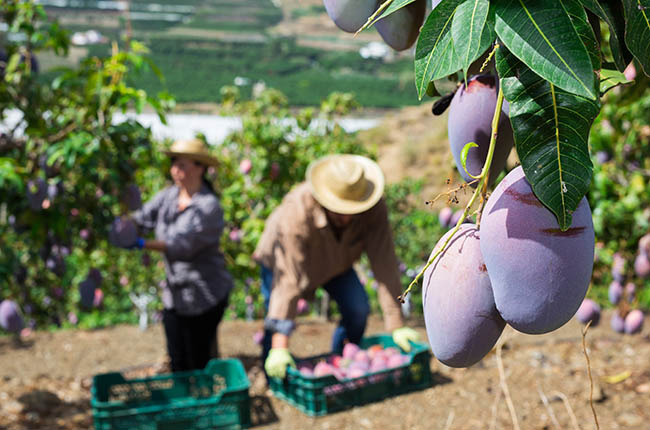
Coffee represents 33 percent of the cultivated area. Avocado, orange, mango, and agave account for 16 percent, while the remaining 51 percent includes products such as coconut, sesame, peanut, safflower, walnut, grape, lime, asparagus, quinoa, strawberry, banana, corn, celery, and raspberry.
Certified organic wild harvesting covers approximately 671,629 acres. Quintana Roo leads in chicle harvesting, followed by Jalisco for agave, Campeche for chicle, and Baja California for yucca.
Certified animal-origin products include honey, pollen, propolis, royal jelly, eggs, chicken, milk, beef, and goat meat. Additionally, about 1,700 processed products are certified, including juices, beverages, oils, ice cream, flours, dairy products, sauces, dried fruits, dehydrated vegetables, cereals, and grains.
Related stories:





Subscribe to our newsletter