

How GLP-1 medications are reshaping eating habits and grocery trends
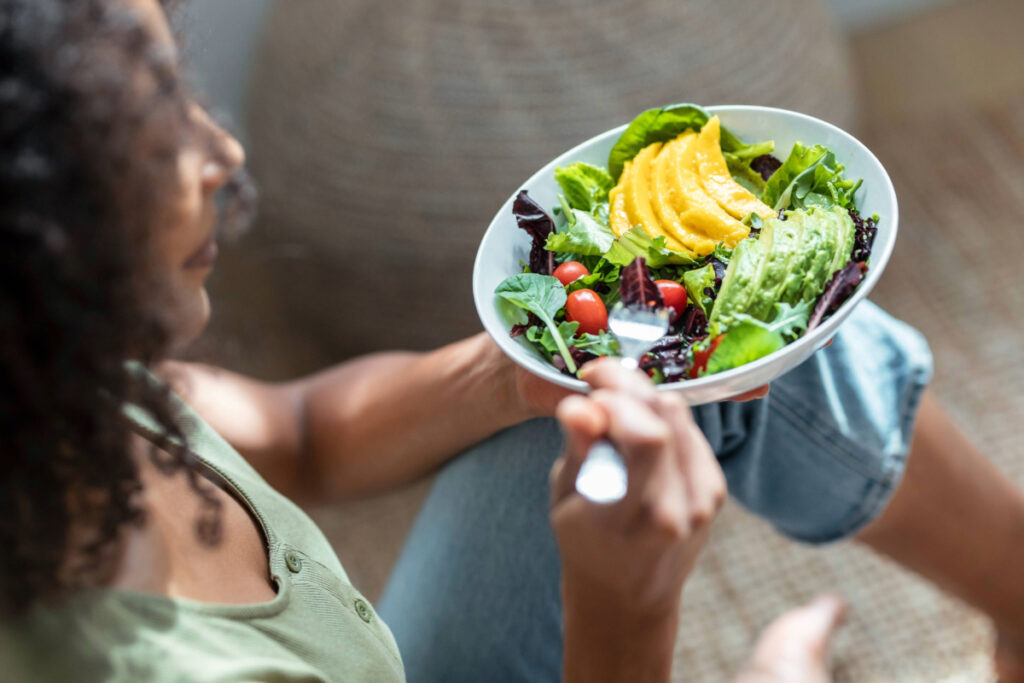

Weight-loss treatments like Ozempic, Wegovy, Mountjaro, and other GLP-1 drugs have taken over the United States and the world.

These medications are not only changing the lives of people suffering from diabetes and being overweight, but are also drastically reshaping eating habits. Patients undergoing these treatments experience drastically reduced appetites and increased satiety, effectively changing how they approach food, beverages, and even grocery shopping.
Sally Lyons Wyatt, Chief Advisor of consumer goods and foodservice insights at data analytics company Circana, projects that by 2030, GLP-1 households will increase from the current 23 percent to 35 percent of all food and beverage units sold.
Produce benefits from the GLP-1 boom
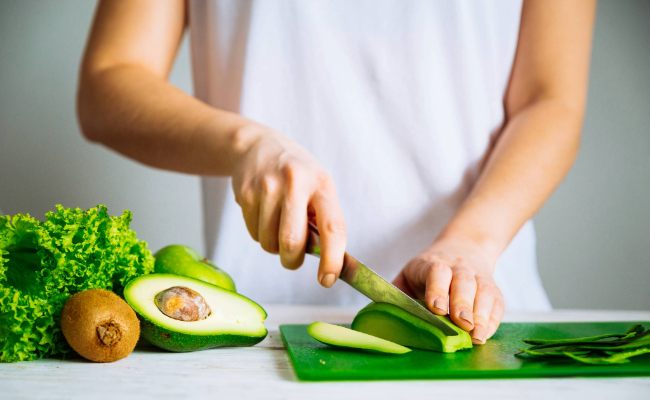
Lyons Wyatt says this shift is good news for the produce industry because data shows that people taking the medication tend to buy more fruits and vegetables.
Her research shows that before starting GLP-1 therapy, people who want to lower their BMI are only three percent more likely to buy produce than others. But by the end of the first year of treatment, the number rises to almost five percent.
The good news is that this change in shopping habits is not dependent on the drug, as preliminary data shows that it persists long after finishing the treatment.
This is because the unpleasant side effects of GLP-1s act as a deterrent to overindulging in foods that are on the do-not-eat list, such as alcohol and spicy foods.
On the flip side, patients start craving other types of foods.
Categories experiencing the highest growth include vegetables, fresh citrus, common fruits such as bananas, apples, and oranges, as well as tropical and specialty fruits and root vegetables.

Convenience is king
The preference for convenience is key to understanding new eating habits under GLP-1s. Reports show that patients are more likely to snack, pick up salads to go, and buy smoothies.
The latter format is particularly popular due to its convenience: it allows people to consume a nutrient-packed meal without having to chew or even stop to eat, while easily controlling portion sizes.
“The portion sizes are going to cascade across, in and out of home, because you just can't eat as much,” Lyons Wyatt says.
Retail and the overall food industry are well aware of these trends and are adapting accordingly. Dallas-based smoothie franchise, Smoothie King, for example, is banking on this uptick and creating menus tailored specifically for people taking the GLP-1 medication.
The Circana expert believes that other food brands will follow this trend, labeling it as a business-savvy initiative.
“Why not do it? If you can do it for not a huge amount of cost, because we know we don't want things to cost more, then I'd say, test it,” she says.
Related stories:
5 global shopping trends shaping the produce business in 2026
What's next in food? Whole Foods Market shares 8 trend predictions for 2026


Subscribe to our newsletter