

Chilean kiwi forecasts 20 percent volume growth, capitalizing on favorable climate and global market shift
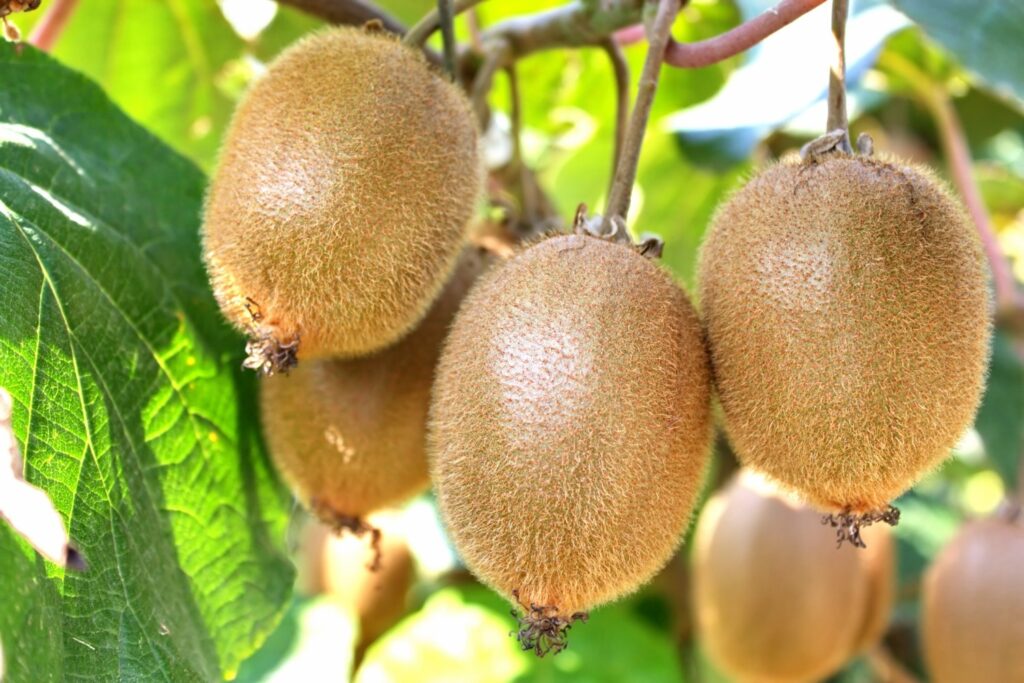

Written and reported by Macarena Bravo | Lee esta noticia en Español

Chilean kiwifruit season is about to kick off, and expectations are running high.
Carlos Cruzat, head of the Chilean Kiwi Committee, says that despite the expectation of slightly smaller fruit than last year, the industry should experience a year-over-year growth of 20 percent. This favorable forecast is driven mainly by higher-than-expected rotation and a greater climatic impact prior to blooming.
The result was an abundance of floral buds in orchards both old and new, increasing overall productive potential.

Carlos Cruzat, President of country brand Frutas de Chile's Kiwi Committee.
On the flip side, the season has also been marked by the effects of blight associated with PSA (Pseudomonas syringae pv. actinidiae), which led to thinning of some fruit. This, in turn, led to deformities and a greater prevalence of K2-type fruit, but Cruzat says high-quality standards for fruit shape have remained in place.
The path to Chilean yellow kiwifruit
The Chilean kiwifruit industry has been trying to commercially develop the yellow variety for a long time, but Cruzat said existing varieties are in a phase of adjustment and decline, with stable volumes compared to the previous year.
The executive emphasized the industry’s growing interest in exploring new varietal alternatives, with breeders, groups, and commercial license holders arriving in the country to create planting spaces. For Cruzat, this process aligns with a medium- and long-term vision that includes the lifting of quarantines, agronomic evaluations, and adaptation tests to local conditions.
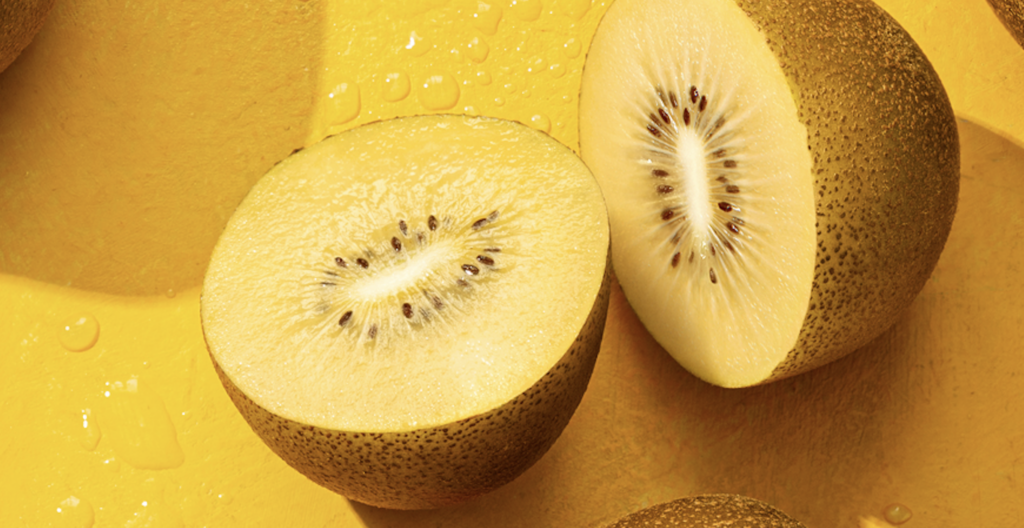
For the time being, and regardless of varietal experimentation, green kiwifruit will remain the bulk of Chilean kiwi supply, said the executive. The goal is to reach the highest quality standards to compete solidly in international markets.
Chilean kiwifruit, a global player
New Zealand’s kiwifruit giant, Zespri, recently announced volume growth projections of close to 10 percent by 2030. This is an ambitious goal even for a company of Zespri’s size, but Cruzat urged caution.
Despite being the world's leading kiwifruit producer, New Zealand faces a near 12 percent decline in green kiwifruit production, says Cruzat, with no significant expansion of new plantings. In the case of yellow kiwi, the oceanic country’s production should remain similar to last year’s, with the organic development of new varieties, such as G3, accounting for projected growth.
This suggests that New Zealand has moderated its long-term view in terms of productive expansion, said the executive. This is good news for Chilean kiwifruit and its main markets in the northern hemisphere, such as Europe and the US, where the Latin American country is the second-largest importer.
More constrained supply, Cruzat explains, could lead to more selective, orderly sales, which is not at all inconvenient for Chilean kiwifruit, he said, as it plays a complementary role.
From a commercial standpoint, the industry will bet on four strategic markets: India, the US, Brazil, and Mexico. These are destinations with great growth potential, said the executive, with large populations and a still very low per capita consumption of kiwifruit ranging from 0.1 to 0.5 kilos per person.
Related stories
The second life of Chilean kiwifruit—more acres, better quality, and new markets






Subscribe to our newsletter