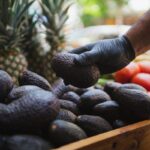
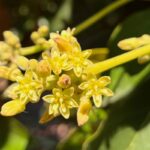
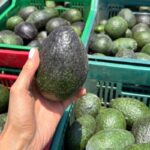
Climate change is pushing Florida avocado growers North, opening the door for the coveted Hass
 Add Fresh Fruit Portal to Google
For years, the Florida avocado industry has been growing varieties, comprising mainly West Indian and Guatemalan types, thrived only in Miami-Dade County and its surroundings in the far South. There, tropical warmth and rare frosts created the perfect growing haven. Nearly all of Florida avocado production still come from the area.
But in the last decade, as Central Florida’s nights have become milder due to climate change, adventurous growers have begun experimenting with cold-hardy tropical avocados further north, including, most surprisingly, the coveted Hass.
It’s been common knowledge in the Florida avocado industry that the fruit could not grow in Central Florida (i.e., Lake County, Orange County, and Orlando) mainly due to frequent nights with temperatures below 20 degrees Fahrenheit.
However, Jose Chaparro, associate professor of horticultural sciences and a breeding expert at the University of Florida, notes the region has experienced a decrease of over 75 chill hours annually since the 1980s. As a result of this warming trend, plant hardiness zones are shifting northward across the state.
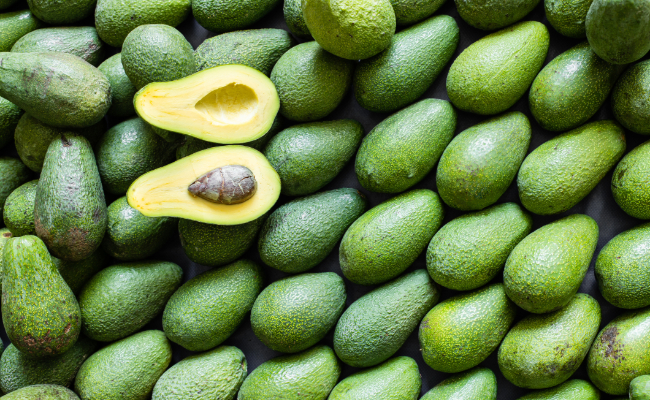
The great Florida avocado migration and the slow irruption of Hass
Chaparro explained that 35 years ago, there were no mangos, lychees, or West Indian avocados growing in Orlando unless they were under some sort of protection, such as a large greenhouse or portable pots.
But if you drive around Central Florida today, mango and avocado orchards are “very common, when previously those trees would essentially freeze almost every year.”
We’re in the early stages of the migration, Chaparro explains, but it is happening—slowly and gradually.
“The incidence of severe freezes has decreased, the average temperature has increased,” he elaborated. “It's still early days in terms of trying to find out what will work under Florida conditions.
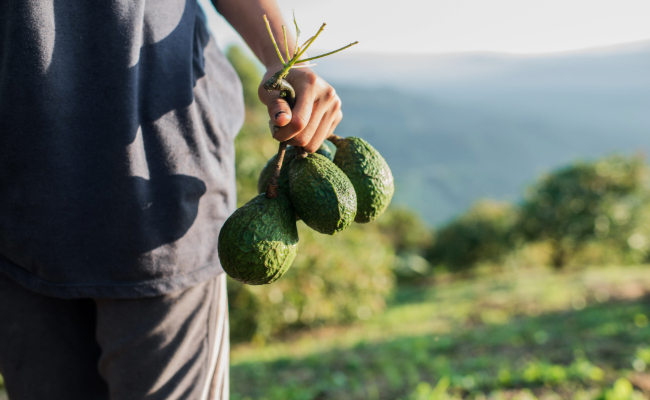
Commercial producers who have noticed the shift in South-central and Central Florida are experimenting with growing hardier West Indian and Guatemalan varieties. However, the bigger long-term goal is to grow the most coveted and commercially profitable cultivar—Hass.
The most popular avocado variety in the US and the world, according to the industry, Hass has long been a distant dream for Florida growers. Tropical weather conditions in the south of the Sunshine State don’t suit the variety, and the brisk night freezes in central and northern areas would kill the crop.
Time has provided Northern and Central Florida with drier conditions than the South during the winter and spring months, as well as fewer cold fronts and innovations for protecting Florida avocado trees should temperatures drop.
“There has been a technology that's been used in citrus for quite a long time, and there's the potential to use that in Florida avocado trees to protect the trunk and limbs of a tree,” Chaparro said.
But this alternative is limited, as the costs and logistics of protecting a large avocado tree might not make the solution financially sound or even feasible. “It is still early, and there is significant exploration underway,” he added. “However, in 30 years, I believe mango and avocado production will likely be established in at least South Central Florida.”
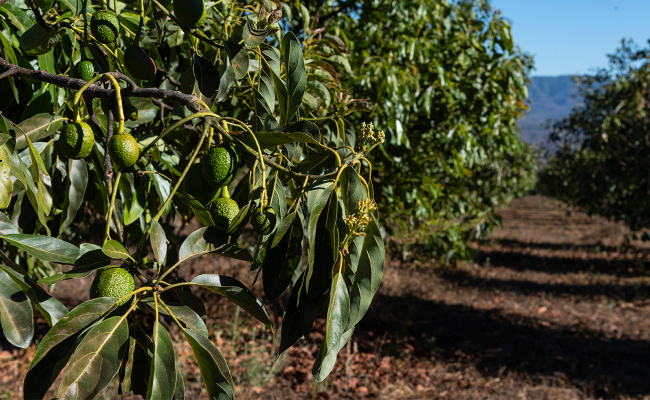
Chaparro explained that the migration phenomenon is not exclusive to avocados, as fruit growing overall is gradually moving north.
For example, subtropical peach production is no longer commercially viable south of State Road 50 in South Central Florida and has shifted north between State Road 50 and Ocala.
“Things will migrate North,” he said. “It’s happening very slowly, but it’s happening.”
Related stories:
Florida citrus production to hit new record low in 2025/2026 season, says USDA
Avocado growers see signs of recovery as Florida’s beetle-driven Laurel Wilt recedes