

Imported produce takes a bigger bite of US market


American fruit plates are fuller than ever, as imported produce continues to capture a sizeable bite of the United States market. In 2024, imports reached $33 billion and accounted for approximately 59 percent of all fresh fruit nationwide, according to the US Department of Agriculture trade data.

The figures mark a significant long-term change. In 1990, imports represented 34.8 percent of fresh fruit availability. In the 1980s, only about 30 percent of fresh fruit on US shelves came from abroad. Fresh vegetable imports have followed a similar line, rising from 9.7 percent of availability in 1990 to 36.3 percent in 2024.
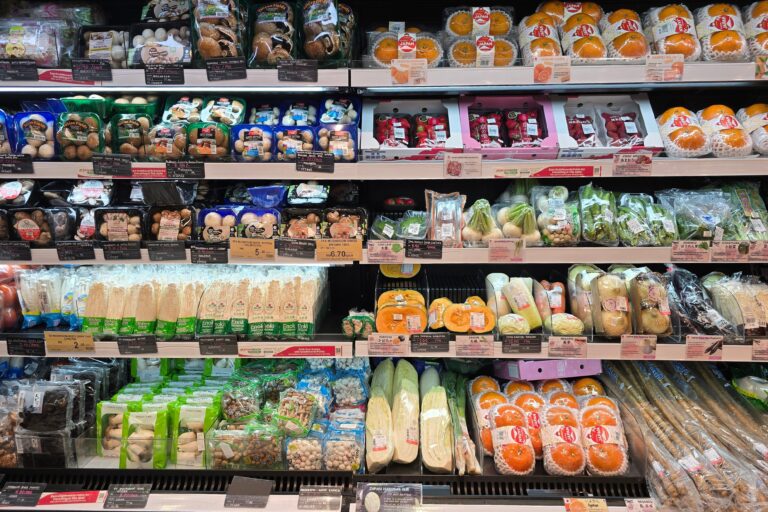
While demand continues a healthy upward trajectory, domestic production has not kept pace, notes a report by the Western Growers Association (WGA)’s Science division. The technical and regulatory arm of the association, dedicated to the safety, sustainability, and health of the fresh produce industry, states in that from 1990 to the 2023–24 marketing year, US fruit production increased 13 percent, and vegetable production rose only 11 percent. Over the same period, import volumes expanded steadily, reshaping sourcing patterns for retailers and foodservice buyers.
Key commodities driving imported produce growth
Aside from the very well-documented avocado trends, the shift towards imported produce stands out particularly in cucumbers, asparagus, tomatoes, and bell peppers, the report states.
Domestic production of the four commodities peaked at 7.1 billion pounds in 2000. By 2024, output had fallen to 3.3 billion pounds, while imports moved in the opposite direction, rising from 1.8 billion pounds in 2000 to 10.6 billion pounds in 2024.

Growth accelerated over the past decade. From 2014 to 2024, fresh asparagus imports increased six percent, from 487 million pounds to 515 million pounds. Bell pepper imports jumped 50 percent, from 1.97 billion pounds to 2.81 billion pounds. Cucumber imports rose 34 percent, from 1.7 billion pounds to 2.6 billion pounds. Tomato imports climbed 27 percent, from 3.4 billion pounds to 4.7 billion pounds.
During the same period, US production declined substantially across all four categories, but yields are not the only relevant factors affecting the imported produce trend.
“Strong consumer demand for fresh produce, less expensive labor and input costs in developing countries, and more favorable climates in other countries are some of the factors driving an exponential growth in US imports for many fresh produce commodities,” the report says.

Leading suppliers and projections
A small group of trading partners now supplies the majority of imported produce, with Mexico at the center of the network.
The Central American country shipped approximately $14.4 billion in fresh fruit to the United States in 2024, serving as the primary source of more than half of all imports. Key commodities include avocados, berries, tomatoes, and citrus.
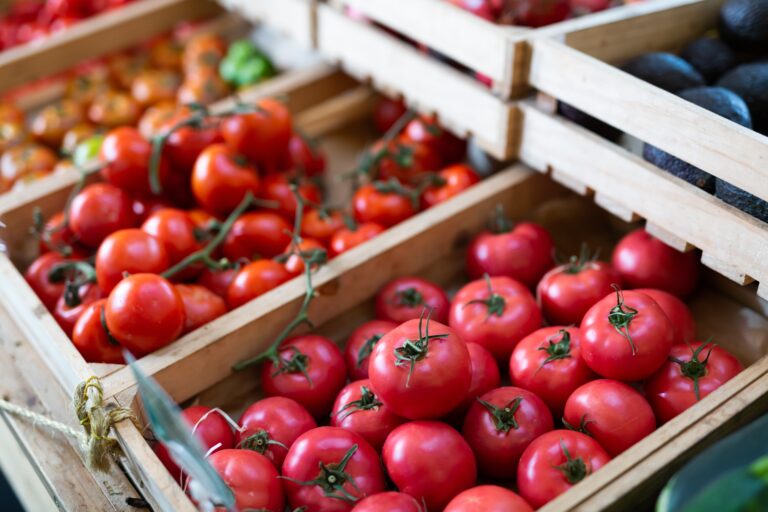
Other leading suppliers include Brazil at $5.7 billion, Peru at $4.5 billion, Colombia at $4.2 billion, Chile at $2.9 billion, Guatemala at approximately $1.8 billion, and Costa Rica at approximately $1.3 billion.
Bananas remain the top fresh fruit import by volume, supplied mainly by Ecuador, Costa Rica, and Guatemala. Berries rank among the fastest-growing categories by value, led by Mexico and Peru.
Unsurprisingly, Mexico supplies roughly 90 percent of US avocado imports. Peru dominates winter grape shipments, followed by Chile in the spring. Costa Rica supplies nearly all fresh pineapple imports.
Fresh fruit imports are projected to reach a record value of $20.1 billion by the end of 2025, according to the USDA Economic Research Service, a jump that is yet to be confirmed by industry data.
While the total value of horticultural imports is expected to rise by 10 percent over 2024 levels, unit prices of many fruits are anticipated to ease due to improved growing conditions in Mexico and South America.
Ensuring safe and compliant imported produce volumes
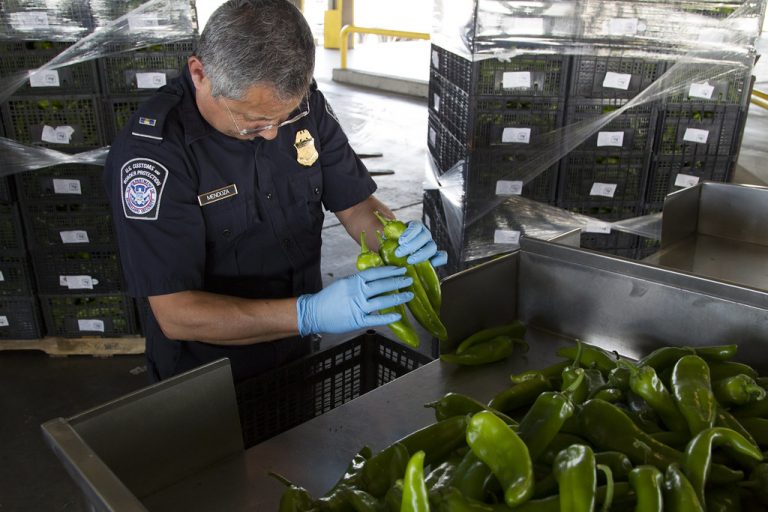
Archive photo.
With rising imported produce volumes, regulatory compliance takes central stage in the trade flows, the document warns.
Importers must confirm eligibility through the USDA’s Fruits and Vegetables Import Requirements database. Shipments require a phytosanitary certificate from the exporting country and often an Animal and Plant Health Inspection Service import permit.
US Customs and Border Protection and USDA inspect all shipments upon arrival. Some commodities must undergo quarantine treatments such as irradiation, cold treatment, or fumigation before entry.
For US buyers, the data underscore a structural change rather than a seasonal supplement. Imports now play a year-round role in filling shelves, influencing pricing dynamics, and shaping procurement strategies across the produce aisle.
Related stories
Record surge: US mandarin and tangerine imports to hit 555,000 metric tons as California output dips
Honeybear eyes steady pear import season
Florida growers launch antidumping petition against winter Mexican strawberry imports










Subscribe to our newsletter