





Tango mandarin patent expires, granting US growers royalty-free access
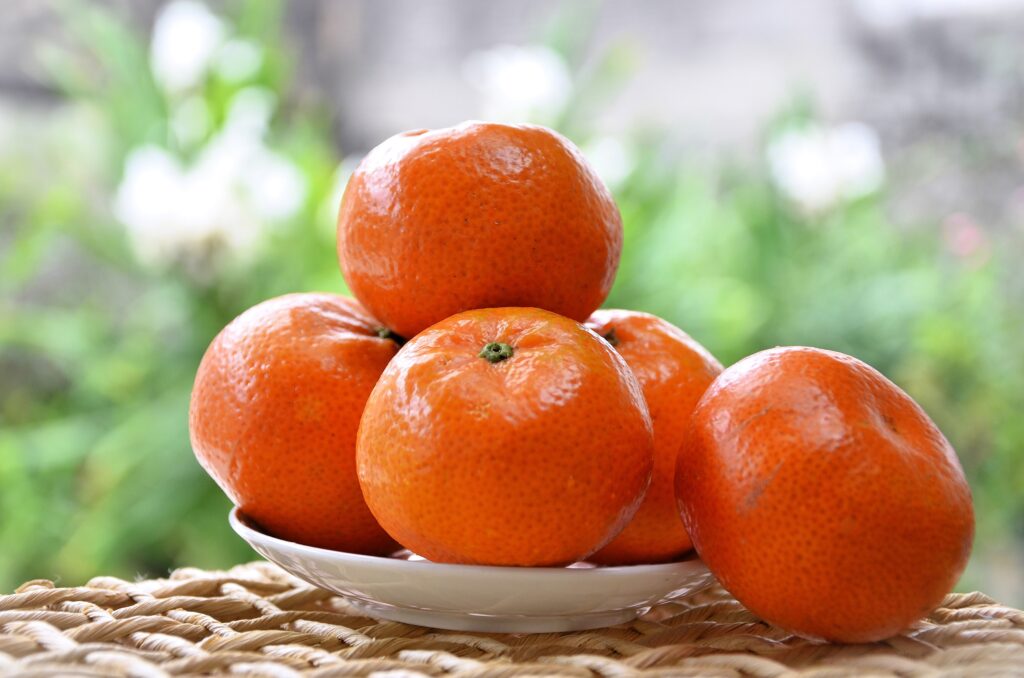

United States growers have gained open, royalty-free access to one of California’s most valuable mandarin cultivars following the expiration of the Tango plant variety patent. This puts an end to nearly two decades of domestic exclusivity.

Brian Suh, Senior Executive Director of Technology Partnerships at the University of California, Riverside (UCR), confirmed to FreshFruitPortal.com that the patent expired September 6 of 2025.
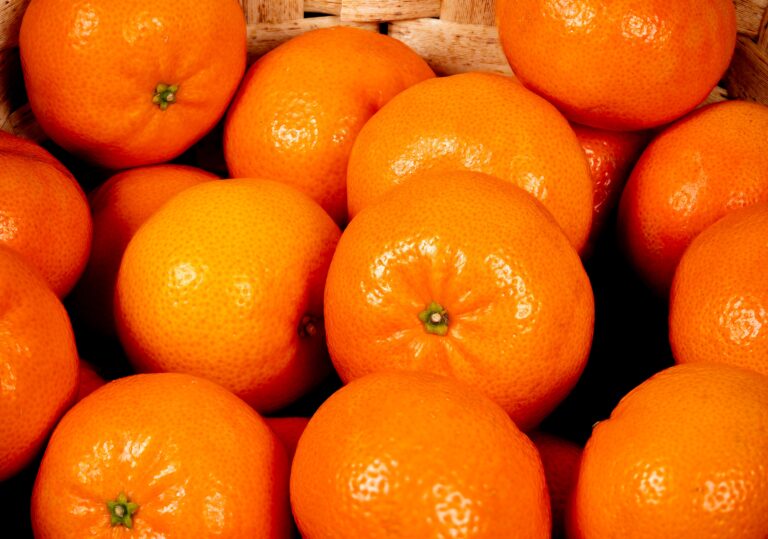
“Our international Plant Breeder’s Rights (PBR) protection remains, and nothing changes concerning commercialization and variety management internationally,” he said. This will allow royalties to flow from overseas growers, while domestic producers—from large commercial operations to home gardeners—may now plant the cultivar freely.
Developed by UCR and first released in 2006, Tango has generated over $70 million in cumulative value for the institution.
The US Department of Agriculture estimated the total California mandarin production value at $855 million for the 2024-25, placing Tango’s contribution at approximately $272 million.
By 2024, Tango planting reached nearly 20,000 acres in California, representing 32 percent of all mandarin acreage in the state, according to the local Department of Food and Agriculture.
The variety is cultivated in more than 20 countries and marketed in over 50. A European trade association recently named it “Flavor of the Year” in Spain and Portugal.
Tango: Seedless by design
UCR researchers professor Mikeal Roose and citrus breeder Timothy Williams developed Tango in the 1990s with support from the California Citrus Research Board. Their goal was to create a mandarin that would remain seedless regardless of cross-pollination from nearby citrus varieties.
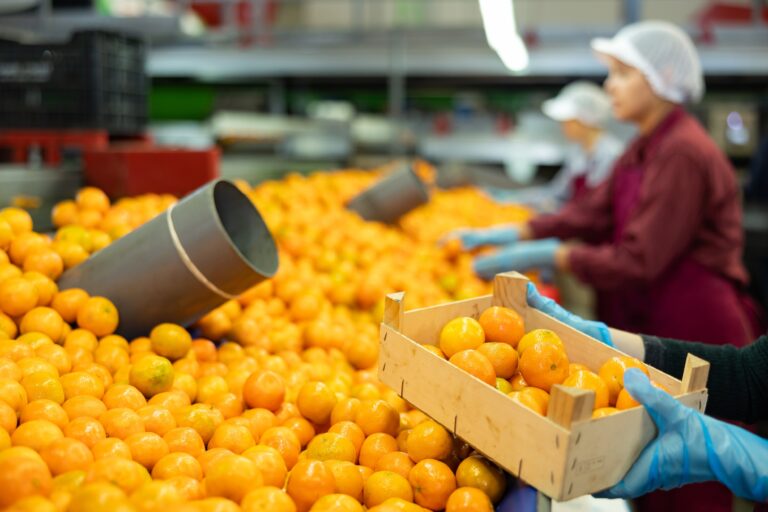
To achieve that, the team used gamma rays, exposing buds from another mandarin variety to controlled radiation to induce genetic mutations. They grafted irradiated buds onto rootstock and planted about 200 trees after propagating them in a greenhouse. Most trees failed or produced seeded fruit.
After several seasons, seven selections showed promise, and only two stood out. The final selection edged out another candidate that produced slightly more seeds. And that selection became Tango.
The variety’s ovules are highly sterile, preventing seed formation, and so is its pollen, meaning it does not contribute to seed development in neighboring blocks. These traits reduced the need for costly pollination control measures, such as netting trees, isolating orchards, or relocating beehives.
A late-season leader with staying power
Marketed under brand names including Cuties®, Halos®, and Tango Fruit®, the variety established itself as a late-season, easy-peeling mandarin with firm skin and extended shelf life suitable for global shipping. Typically, it extends mandarin availability by about two months at the end of the season.
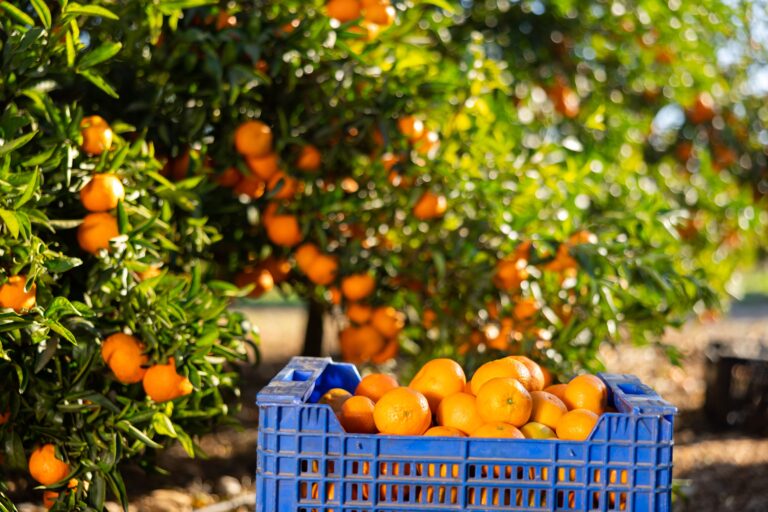
Tango represents one of more than 40 citrus varieties introduced by UCR since the US Citrus Experiment Station opened in 1907. The university is also home to the Givaudan Citrus Variety Collection, which includes approximately 4,500 trees representing more than 1,000 citrus varieties and related species.
*All images are referential.
Related articles
Record surge: US mandarin and tangerine imports to hit 555,000 metric tons as California output dips
Ecuadorian Tango mandarins make US debut
After the freeze: Citrus recovery takes patience, drainage, and timing


Subscribe to our newsletter