






Report calls for action on agricultural land equity in California
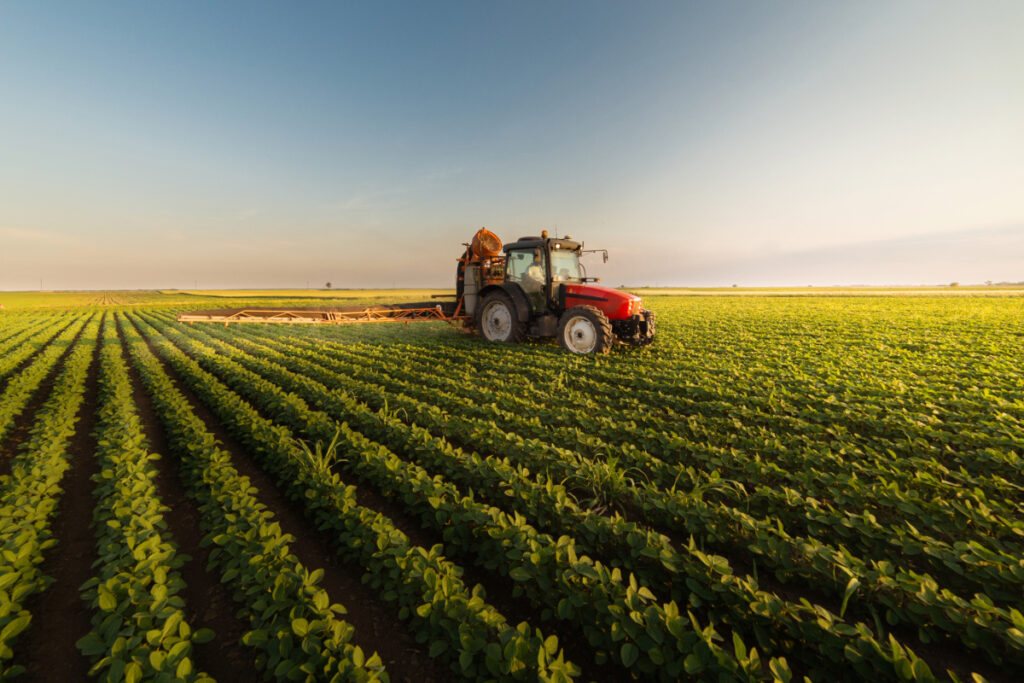

President Donald Trump and California Governor Gavin Newsom have long clashed over the state's direction, and how agriculture is managed as an industry is no exception.

One of their latest battlegrounds is a 170-page report on farmland ownership, funded by the Governor's Office and written by California's Agricultural Land Equity Task Force, which has sparked outrage at the United States Department of Agriculture (USDA).
The USDA’s spat with California’s Agricultural Land Equity Task Force report
In December, USDA Secretary Brooke Rollins sent a letter to California Governor Gavin Newsom. The missive challenged the latest report from the state’s Agricultural Land Equity Task Force, which aims to make access to agricultural land more equitable for people of color and tribes.
Established in 2022 and composed of 13 independent advisors, the task force acts as a counseling body to the Golden State legislature and the Governor’s Office on how to address agricultural land access disparities by drafting an annual report containing those policy recommendations.
The board’s report Advancing Agricultural Land Equity in California, which drew the USDA secretary’s attention, was released in January 2026, one month after Rollins reviewed the draft and threatened legal action if Governor Gavin Newsom implemented any of the recommendations included in the document.
The guidelines presented in the agricultural land equity report tackle discrimination in agricultural land ownership. Recommendations outlining steps to prioritize producers from socially disadvantaged and historically underserved demographics, including Black, Latino, and Native Americans, when it comes to accessing farmland.
According to the report, in the 2022 USDA Census of Agriculture, only one in five farmers are considered members of these communities.
Over 80 percent of farm landowners identify as white, followed by those who consider themselves Hispanic (nearly 10 percent), Asian (nearly four percent), American Indian or Alaska Native (three percent), Native Hawaiian or Pacific Islander (less than one percent), and Black (0.3 percent).
According to the council, the goal is to close the gap and further true equity in California’s farmland ownership.
The polarizing policy
The task force’s recommendations are organized around six major goals, starting with prioritizing tribal stewardship and land return. Within this context, the report proposes creating an ancestral land return fund and program to give back public land to California Native American Tribes, and elevate Traditional Ecological Knowledge.
The expert panel advises that the program be funded through appropriations, and grant underrepresented groups first dibs to purchase farmland before it is sold on the open market.
The Restorative Land Fund, the second recommended grant program, would assist farmers disadvantaged by race, ethnicity, gender, class, or citizenship in purchasing farmland.
The fund focuses on increasing minority farmers’ land ownership by improving access to financing.
The agricultural land equity task force also recommended halting, mitigating, and reversing agricultural land consolidation by limiting investment company ownership and developing local-first purchase ordinances. The remaining three recommendations address the regulation and availability of land for local and urban producers, as well as land preservation, rather than direct pathways to farmland ownership.
The easiest way to implement these guidelines is through legislation, which the board says should also establish a strong framework to track the implementation and outcomes of these programs, ensuring accountability and long-term impact.
Related stories:
Surging demand and higher prices fuel organic strawberry expansion in California










Subscribe to our newsletter