

The Indian grape market heads for 2035: Modernization, climate resilience, and export growth
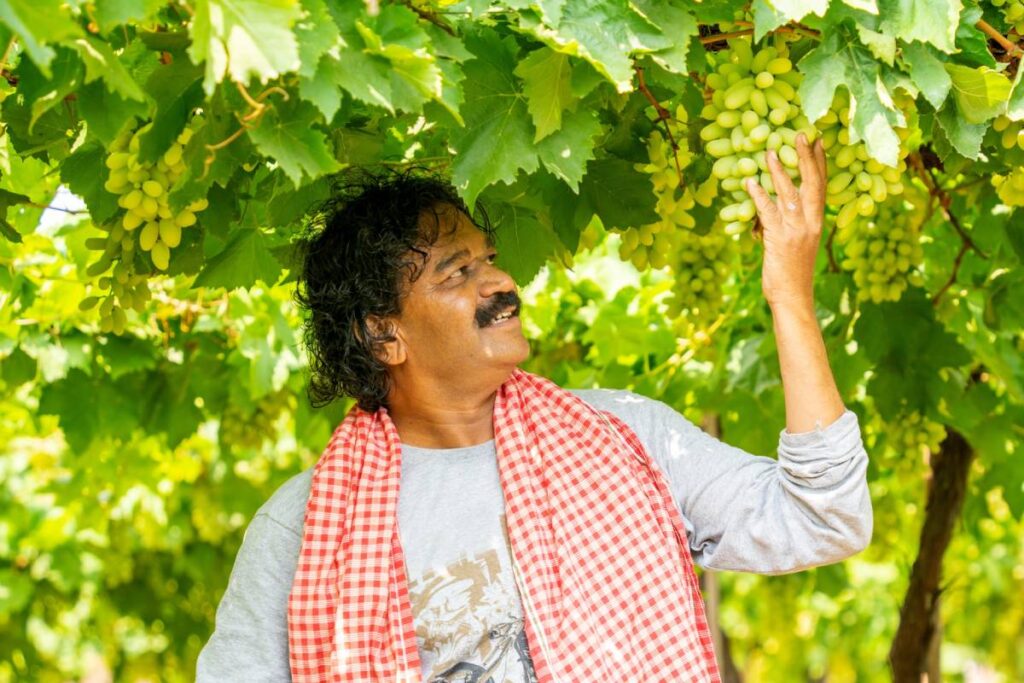

The Indian grape market is heading towards significant transformation and expansion over the next ten years, a period marked by adaptation to climate change, modernization, and growing domestic demand.

According to a recent Indebox analysis, climate resilience will be one of the sector’s central axes in the future, with accelerated adoption of efficient irrigation systems, climate-smart agricultural practices, and the development of more drought- and disease-resistent varieties.
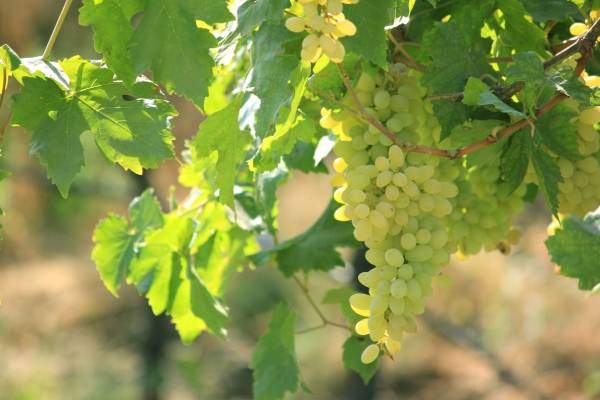
This change will not only have agronomic implications for Indian grapes. The report says these practices will also be key to ensuring yield stability and compliance with demanding export market schedules, where India seeks to consolidate and diversify its presence as a supplier.
The demand for Indian grapes is growing
On the demand side, domestic grape consumption in India is on the rise, driven by urbanization, higher middle-class incomes, and a growing focus on wellness and healthy eating, Indebox says. Consumers regard grapes as a nutritious and convenient food, rich in antioxidants, vitamins, and fiber.
This change is reflected in increased retail grape sales, which demand better quality, presentation, and shelf life. Simultaneously, traditional markets remain relevant for the commercialization of Indian grapes, especially in medium and small cities where the fruit is a common product.
The market is mainly divided into three major segments: fresh table grapes (the most important within the category), processed products (raisins, grape wine, grape juice, and grape jam), and exports. The latter accounts for the smallest share in the Indian market, but generates the highest value for the fruit, raising quality standards throughout the chain.
A concentrated and high-tech grape production hub
Production is strongly concentrated in Maharashtra, particularly in the Nashik region, known as the Wine Capital of India and a key Indian grape production hub. Other producing states also stand out, including Karnataka, Andhra Pradesh, Telangana, and Tamil Nadu, where grapes have gained economic significance.

Globally, India ranks among the leading grape producers, alongside countries such as China, Italy, France, the United States, Spain, Türkiye, Chile, South Africa, and Egypt, consolidating its role in world trade.
However, the Indian grape sector is unique, as it presents a clear dichotomy. While a significant portion of farmers continue to use traditional methods for production destined for the domestic market, the export segment—especially in Nashik—employs advanced technologies such as drip irrigation, fertigation in crops, protected cultivation, and integrated pest management.
Furthermore, an ever-growing number of producers are adopting certifications like GlobalG.A.P. to comply with international standards in exports.
Challenges, opportunities, and a look toward 2035
Among the main challenges for the Indian grape sector are water scarcity, climate variability, and disease pressure, with notorious threats such as downy mildew and anthracnose.
Additionally, land ownership fragmentation is hindering the adoption of advanced technologies in production. However, Indian Grape Producer Organizations (FPO) are working on this problem.
Looking ahead, industry growth will depend on greater professionalization of producers, investment in infrastructure, strengthening of the cold chain, development of new varieties, and better trade agreements that favor the local industry.

The document is adamant that the coming years will set apart producers who bet on innovation, sustainability, and collaboration from those who maintain traditional production models.
More consolidated retail partners, better articulation between producers and exporters, and market maturation are expected. In this context, grape quality, consistency in supply, and traceability will be key factors for both the domestic and export markets.
In short, the sector is moving toward a more modern, competitive, and globally-oriented model, with an increasingly relevant role in the international trade of fresh grapes.
*All images are referential
Related stories
US-India trade deal: Tariffs slashed on Indian exports, new access for US apples and nuts
Berry early days: Indian blueberry sector tests its roots
India's growing taste for cherries attracts new origins and offers opportunities





Subscribe to our newsletter