




Peruvian avocado industry reinforces national strategy against new cadmium limits
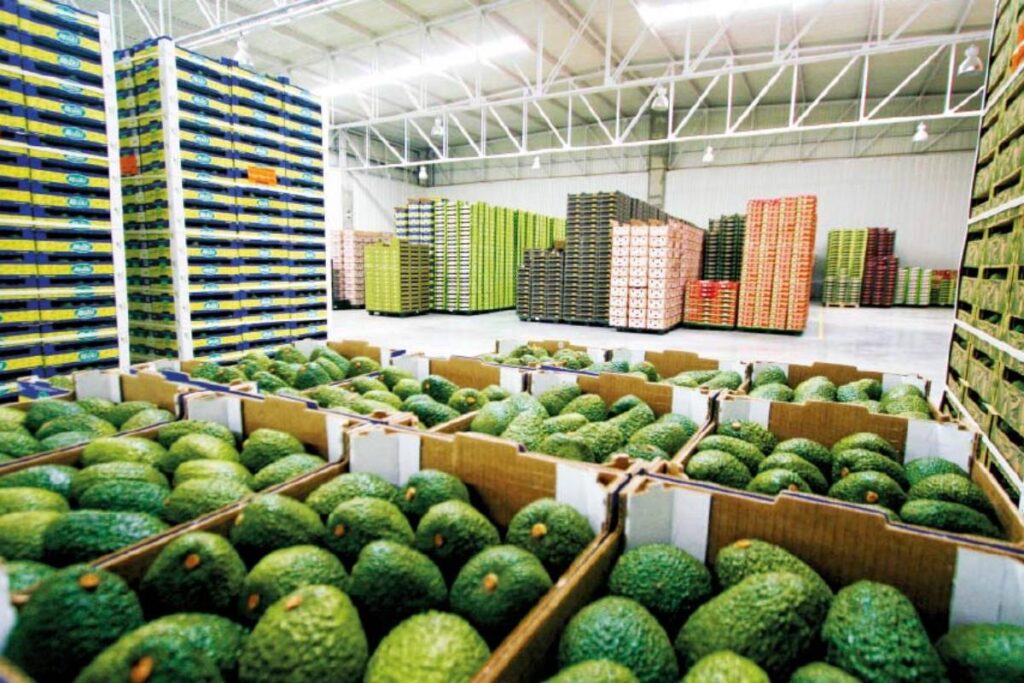

Since 2023, the European Union established a maximum limit of 0.05 parts per million (ppm) of cadmium in agricultural products such as avocados, significantly raising safety standards for exporting countries.

Peru is the world's second-largest exporter of Hass avocado. With 62 percent of its shipments destined for the European market, the Andean country has undergone structural transformation across the entire production chain as a result of this new regulation.
Arturo Medina, general manager of industry body ProHass, told FreshFruitPortal.com that the sector has strengthened field monitoring systems, sampling protocols, and traceability, and is working closely with entities such as the National Agricultural Health Service of Peru (SENASA).
“The country is promoting the National Cadmium Strategic Agenda 2025–2030, led by the Ministry of Agrarian Development and Irrigation, which seeks to mitigate risks, anticipate future international demands, and protect the livelihoods of more than 30,000 producers, mostly small family farmers,” he said.
For Medina, the new scenario represents an opportunity to consolidate Peru's position as a reliable, sustainable supplier aligned with the highest international quality and safety standards.
How are new cadmium limits requirements impacting Peruvian exports?
This regulatory change has involved a structural transformation in how we manage production and export. Today, the production chain has had to strengthen field monitoring systems, implement more rigorous sampling and analysis protocols, and reinforce traceability from origin to final destination.
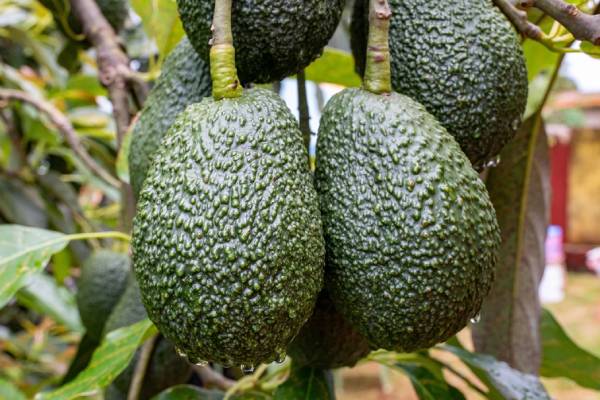
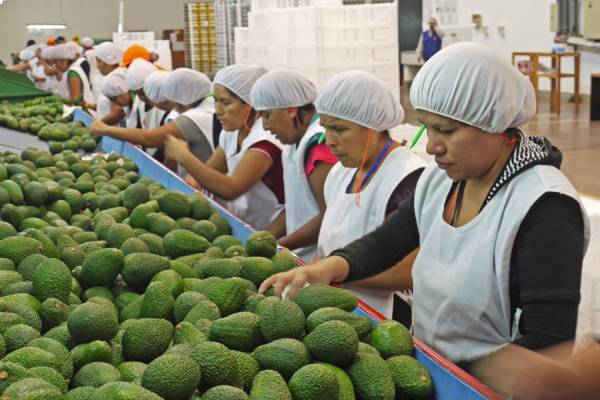
This process involves not only producers but also packing centers, exporters, authorized laboratories, and sanitary authorities, particularly SENASA, which plays a key role in supervising, certifying, and verifying compliance with phytosanitary and safety requirements.
Beyond posing a challenge, these demands also constitute an opportunity to consolidate Peru's positioning as a reliable and competitive supplier, capable of meeting the highest international standards.
What risks does Peru face if immediate strategic measures are not adopted?
The risk is primarily economic, social, and reputational. The European Union is the main destination for Peruvian Hass avocado. Any additional restriction or limitation would have a direct impact on the entire production chain.
While currently detected levels do not represent a systemic risk for the industry, the lack of a comprehensive strategy could lead to rejections at destination, loss of markets, price reduction, and a negative impact on rural employment.
Therefore, preventive and coordinated action grounded in scientific evidence is fundamental to protecting not only the sector's competitiveness but also the economic stability of thousands of Peruvian families.
The National Cadmium Strategic Agenda 2025–2030
What is the Technical Board for the strategic approach to the cadmium issue?
It is a public-private initiative led by the Ministry of Agrarian Development and Irrigation, which integrates key institutions across the country, as well as universities and research centers.
Its main objective has been to develop the National Cadmium Strategic Agenda 2025–2030—a comprehensive roadmap to mitigate cadmium in agricultural production systems through coordinated actions in research, monitoring, regulation, training, and institutional strengthening.
This Agenda is not an isolated initiative but a strategic framework that will allow Peru to anticipate future demand from international markets.
What has been ProHass's role in this process?
We have a fundamental role as an articulator between the private sector and the State. From the beginning, the association promoted the need to address this problem structurally, fostering dialogue with authorities and facilitating relevant technical information from its associates.
We have contributed to the identification of priority needs, the promotion of technical research, and the management of international cooperation to strengthen national capacities. Furthermore, we lead training initiatives aimed at producers and exporters, promoting the adoption of good agricultural practices, preventive monitoring, and compliance with international standards. This role has been key to ensuring a coordinated, technical, and results-oriented response.
What does it mean for the sector that this agenda is now a formal protocol?
It is an institutional milestone of great relevance for several reasons. It establishes multi-year planning with clear goals by 2030, backed by a programmed budget of approximately $7 million. The program also strengthens the sector’s governance by promoting effective and efficient collaboration among public entities, the private sector, and academia. Finally, it provides legal certainty and predictability, allowing the productive and exporting sector to make decisions based on a clear regulatory framework aligned with international standards.
What are the main sources of cadmium in production systems?
Studies have identified two main sources of cadmium: lithogenic and anthropogenic.
The first is of natural origin and is associated with the geological composition of soils, particularly in areas where this element exists.
The second source is related to human activities, such as the use of phosphated fertilizers with cadmium content, irrigation with contaminated water, or inadequate agricultural practices. Likewise, factors such as soil pH, organic matter, salinity, agronomic management, and rootstock type influence the plant's capacity to absorb this metal, which is why understanding these variables is essential for developing effective mitigation strategies.
What concrete actions can producers adopt?
Prevention is the fundamental pillar. Producers must implement good agricultural practices, including periodic soil and water analyses, using certified fertilizers with low cadmium content, proper fertilization management, and incorporating organic matter to improve soil health. Additionally, producers should implement traceability systems and conduct preventive monitoring before harvest.
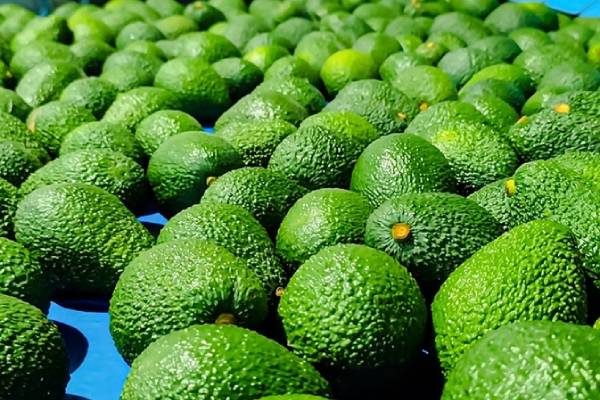
These measures not only mitigate risk but also improve the productivity and sustainability of agricultural systems.
How does this strategy guarantee sustained access to international markets?
The National Strategic Cadmium Agenda allows for strengthening the national control and surveillance system through standardized protocols, strong laboratories, technical training, and the generation of scientific information.
This ensures that Peru demonstrates, with solid technical evidence, compliance with international requirements. Furthermore, it sends a clear signal to the markets that we’re a country committed to safety, transparency, and continuous improvement.
What message is Peru sending to its trade partners?
That we’re a reliable, responsible, and competitive supplier. We are addressing this problem proactively through a strategy grounded in science, institutional collaboration, and private-sector commitment. This reaffirms our position not only as the second-largest exporter of Hass avocado but also as a global reference in sustainability, quality, and innovation.
Sustainability and safety are not only regulatory requirements but fundamental pillars for the future of Peruvian agro-exports.
Related stories
Social media in uproar over alleged cadmium presence in Peruvian avocados








Subscribe to our newsletter