
Chiquita eyes 2028-30 launch for non-GMO, TR4-resistant bananas
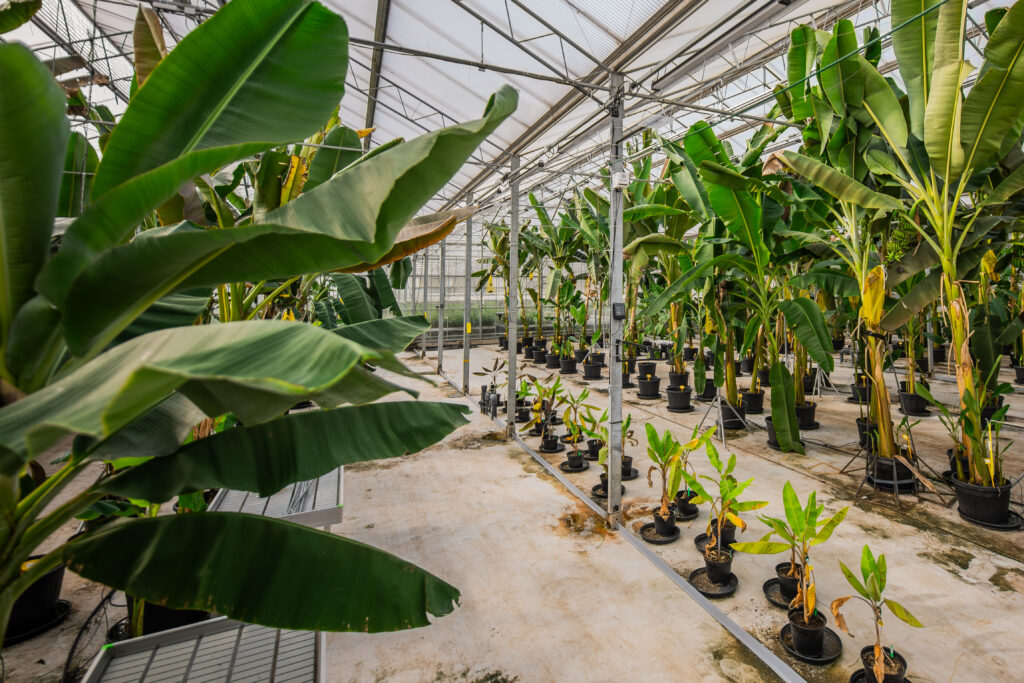

Chiquita Brands International is betting that the next chapter in bananas won’t be entirely written in a lab with gene editing tools—but in the painstaking world of traditional breeding.

If timelines hold, United States banana buyers could see non-GMO varieties resistant to both Tropical Race 4 (TR4) and Black Sigatoga in store shelves as soon as 2028.
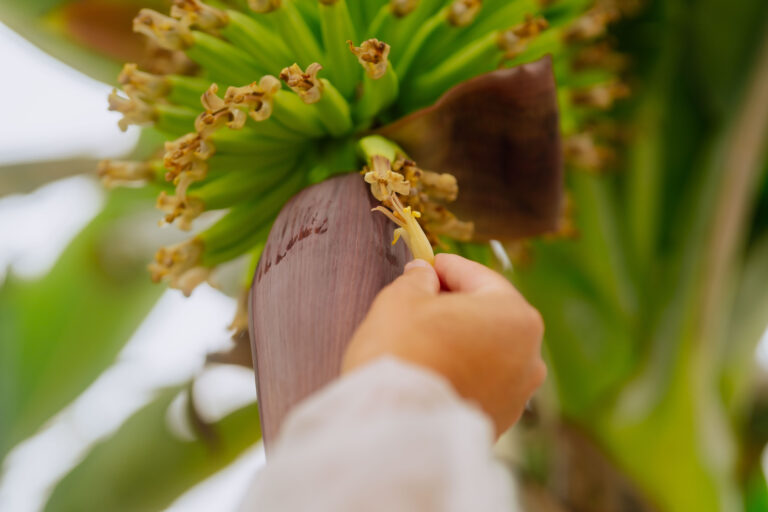
The milestone follows the completion of the Yelloway banana pan-genome, a high-resolution genetic reference designed to dramatically accelerate conventional breeding. The banana giant partnered with research firm KeyGene, biotech company MusaRadix, and Wageningen University and Research for this purpose.
The firm’s Sustainability Director, Peter Stedman, tells FreshFruitPortal.com that the pan-genome enables early identification of genetic markers for TR4 and Black Sigatoka resistance
“Instead of waiting years for visible disease symptoms, breeders can now screen plants at an early stage—improving speed and precision while remaining fully non-GMO,” he explains.
Using this approach, the company developed Yelloway One, described as the first non-genetically modified variety resistant to both diseases.
Mapping the banana blueprint
TR4 and Black Sigatoka remain the most significant disease threats to global banana production. TR4 persists in soil for years and can cause near-total crop loss, while Black Sigatoka can sharply reduce yields and requires intensive fungicide programs.
Stedman says the pan-genome improves on earlier genomic tools through both its scale and accessibility. Bananas are incredibly diverse, and the genetic differences between varieties can be up to 25 times greater than between humans and chimpanzees, he explains.
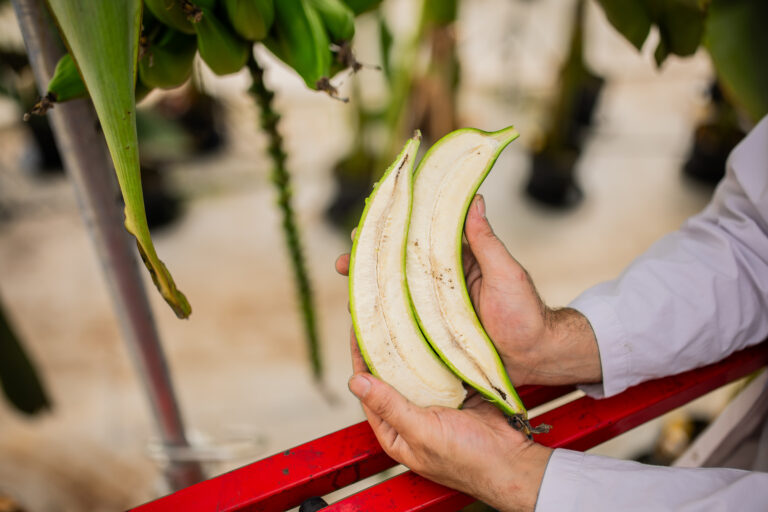
“The pan-genome is being constructed from 52 different banana accessions, each having around 470 million base pairs of DNA,” Stedman notes. “This means that this isn’t just copy and paste 52 times, but an amazing variation of DNA that plant breeders now have access to understand more about.”
Stedman also cites easy, widespread access to a high-resolution pan-genome map through a web platform as a key differentiator: “This portal means that it can be accessed by any qualifying organization anywhere on Earth.”
Chiquita plans to make the high-resolution pan-genome map available to public non-profit research institutions.
Beyond Cavendish
While Yelloway has yet to fully identify unique traits in the genome, Stedman says the project’s broader genomic work could eventually support diversification beyond Cavendish.
“For those interested in breeding non-Cavendish types, for local consumption or subsistence agriculture, the pan-genome is a treasure map, showing the location of unique traits. They hold the key to breeding improved varieties,” he states.
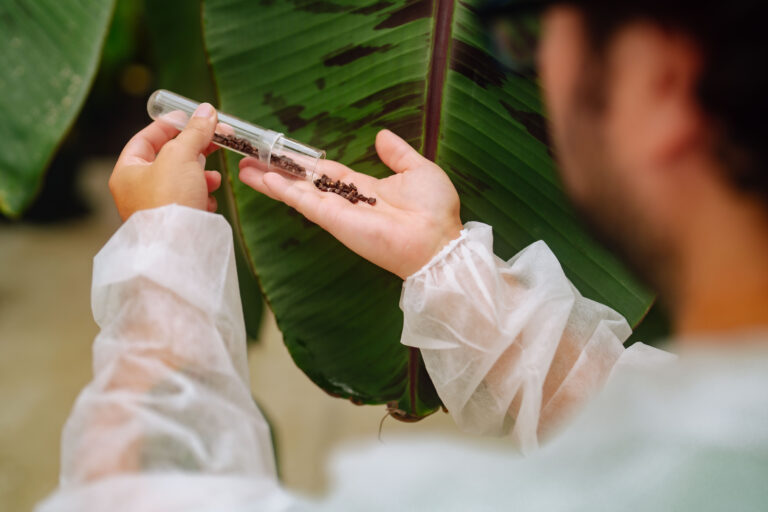
The variety is the world's most consumed, export-dominant banana, accounting for approximately 57 percent of global production.
“The pan-genome does open the door, yes. But we will only venture fully inside further down the road. We envisage Yelloway as an innovation pipeline, so it is the plan to produce different bananas after the initial stage of disease-resistant Cavendish replacements are launched,” the executive notes.
For growers, Stedman frames the benefits in operational terms. The primary tangible pros, he says, are resilience, reduced input costs, and improved long-term viability.
“By breeding resistance directly into the plant, Yelloway reduces reliance on chemical inputs and mitigates catastrophic disease risk,” he adds.
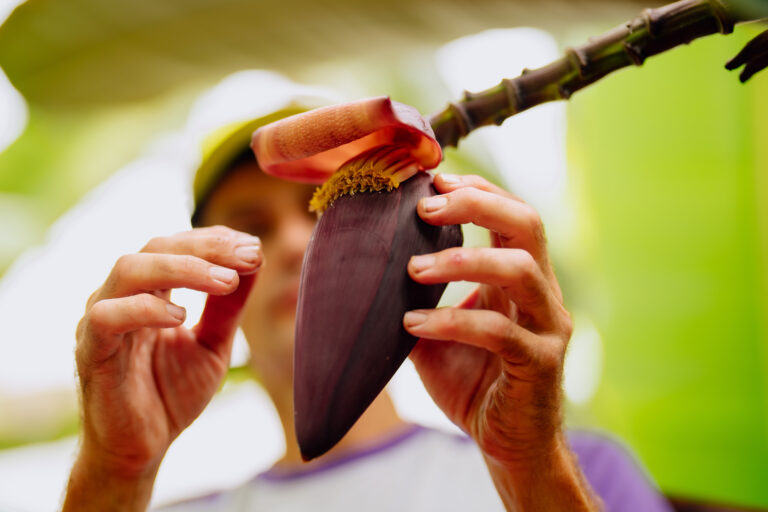
For US importers and retailers, disease-resistant bananas could help stabilize supply chains that have faced mounting pressure from TR4’s spread across Latin America and other producing regions.
However, commercial viability will depend on field performance, multiplication capacity, and regulatory clearance over the next several years.
*Photos courtesy of Chiquita.
Related stories
Colombian banana growers demand "fair price" from European retail amid rising production costs
Ecuadorian banana exports soar past 377 million boxes, posting 3.5 percent growth in 2025
Camera traps in Costa Rica reveal a wealth of fauna in banana industry-protected forests
Chiquita relaunches Panama banana production with first 2026 harvest in Bocas del Toro






Subscribe to our newsletter