
California Avocado Commission’s first-ever chairwoman charts course for 330M-pound season


As the world enters what seems to be yet another year of geopolitical plight, and Washington reopens trade playbooks, the California avocado industry is making a leadership statement of its own.

With a fourth straight crop topping 300 million pounds, and imports continuing to test market share, the Golden State’s growers elected Rachael Laenen as the first California Avocado Commission (CAC) chairwoman.
The move blends symbolism with strategy at a moment when tariff debacles, a push for farm modernization, and a renewed interest in what Americans are eating are becoming front-page issues nationwide.
The chairwoman beyond the novelty
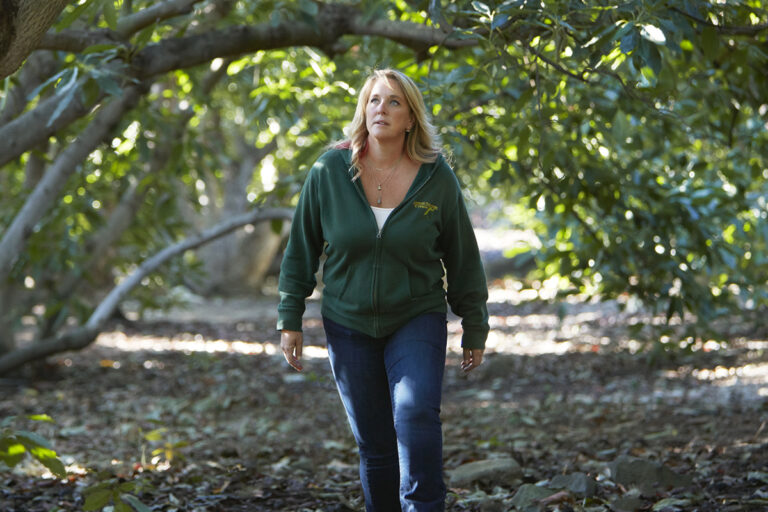
With 2026 designated as the International Year of the Woman Farmer by the Food and Agriculture Organization of the United Nations, Laenen tells FreshFruitPortal.com her appointment is especially meaningful. However, the chairwoman expects her tenure to be guided by more than simple novelty.
“My approach to leadership is grounded in my experience and in representing the voices of growers across all of our districts,” she says.
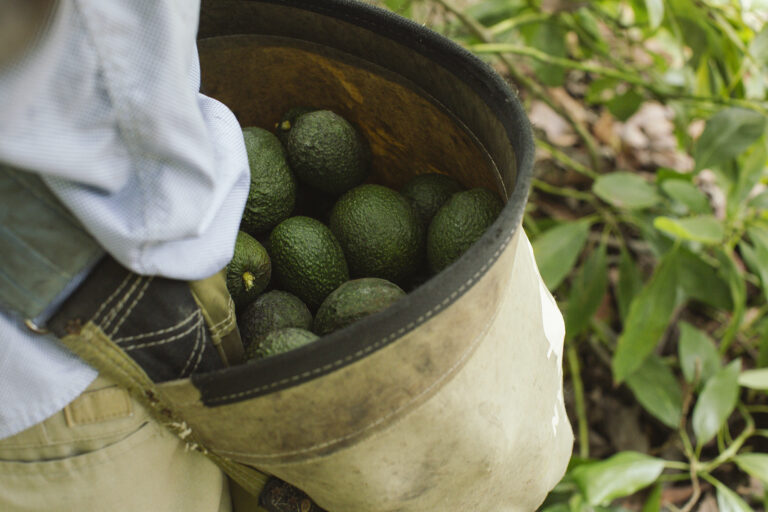
A grower from Ventura County herself, Laenen is no stranger to the struggles faced by producers. With the California avocado season officially underway, she understands the pressure from monumental market competitors, such as Mexico, which is known for its ability to supply the fruit year-round.
To address this, the commission plans to expand customized retail programs that highlight California avocados as locally grown, sustainably farmed, and ethically sourced. If imports overlap heavily with peak domestic supply, CAC stands ready to adapt.
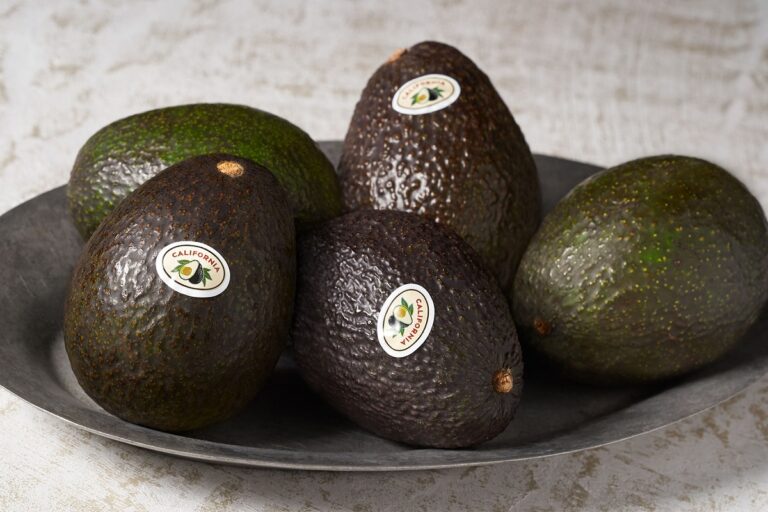
“With an estimated 330 million pounds set to be harvested this season, we are focused on driving strong demand during peak California availability,” she notes. “We are prepared to allocate marketing resources to help maintain movement and visibility strategically,” she notes.
The changing waters of trade regulations
Laenen takes the helm as federal officials review the United States-Mexico-Canada Agreement (USMCA), a pivotal process for domestic growers facing rising import volumes.
The commission has directed CAC President Ken Melban to advocate on behalf of California growers during the USMCA review and to work closely with the US Trade Representative and members of Congress in Washington, DC. Additionally, Laenen notes, the group is proposing the implementation of a tariff-rate quota, or TRQ, on avocado imports during the California season.
“The goal of exploring a TRQ framework is not to halt trade, but to encourage a more orderly supply flow during our peak harvest window, when California growers are most vulnerable to market disruptions caused by volume surges. An oversupplied market can severely impact pricing and, in turn, grower sustainability,” she says.
The chairwoman adds that CAC continues to strongly advocate for robust phytosanitary inspection protocols to protect US agriculture from pests associated with imported fruit.
“Trade can and should function effectively—but it must operate within frameworks that prevent the introduction of invasive pests, promote equitable conditions for US growers, and recognize the seasonal nature of domestic production,” she says. “Protecting California’s groves is non-negotiable”.
Long-term resilience
California growers face ongoing challenges related to water availability, wildfire risk, and elevated input costs. Chairwoman Laenen points to continued investment in production research, water-use efficiency initiatives, and grower education to address environmental and economic pressures.
“As a grower who personally experienced the devastation of the Thomas Fire [in 2017], resilience is not theoretical for me. It is personal,” she stresses.
On that note, CAC connects growers with multiple resources, including information about disaster relief and crop insurance programs, as well as produce safety and GAP training, and organic transition education.
“We also actively advocate to ensure that avocados are included in these programs, so our growers receive fair access to support when disasters strike,” she says.
Looking ahead, the chairwoman frames sustainability as a key objective and a three-part mandate.
“Ultimately, sustainability for California avocados means environmental stewardship, economic viability, and generational continuity. Our board remains focused on strengthening all three pillars so that future generations can continue farming in California,” she adds.
*All photos courtesy of CAC.
Related articles
Chairwoman to lead California Avocado Commission board for the first time in its history
California Avocado Commission projects 330 million pounds for 2026 harvest
California Avocado Commission urges changes to USMCA amid oversupply and pest concerns


Subscribe to our newsletter