

Over 20 states sue to block Trump's new global tariffs under Trade Act's section 122
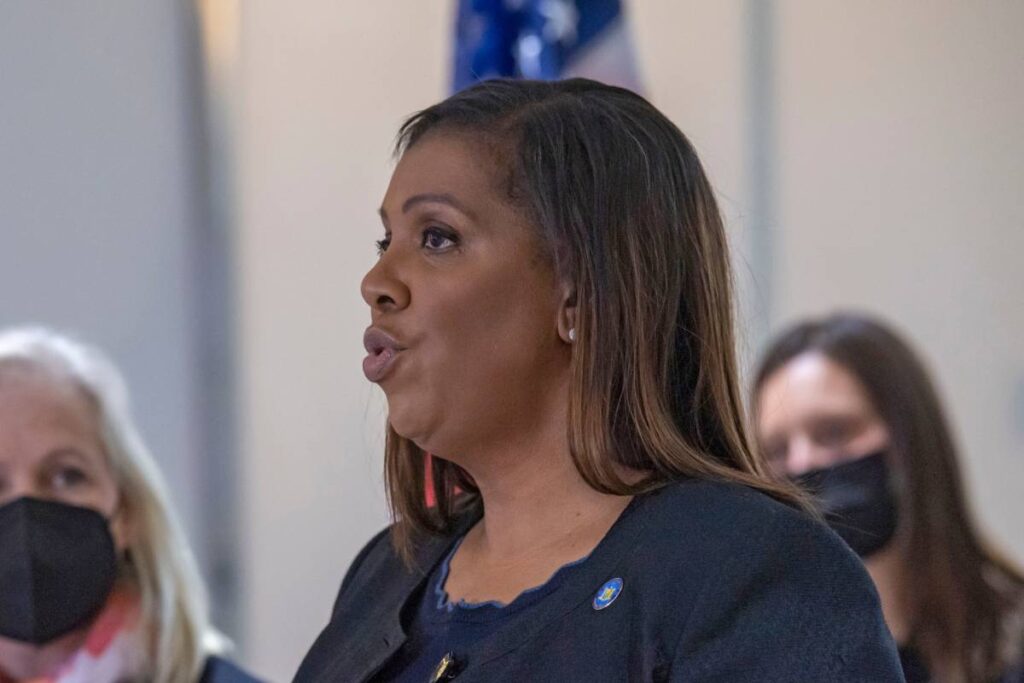

A cohort of over 20 states led by New York, California, Oregon, and Arizona, is suing the federal government over the most recently imposed levies under Section 122 of the Trade Act of 1974.

The suit comes not even a day after the US Court of International Trade (CIT) ruled in favor of refunding over $130 billion in unlawfully collected tariffs under the International Emergency Economic Powers Act (IEEPA), which the US Supreme Court struck down in a landmark ruling on February 20.
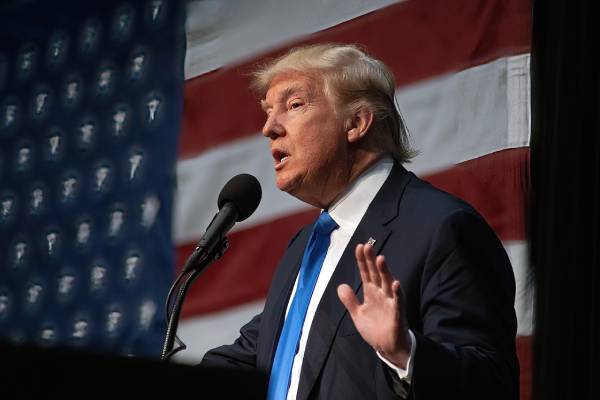
Global tariffs under Section 122 were announced by President Trump at a press conference in response to what he called a “disgraceful” SCOTUS decision. The 10 percent levy, which he later said on Truth Social would be raised to 15 percent, applies to all US trading partners. However, it’s unclear how they might be applied to countries that have already struck deals with the White House, even if Trump says signed agreements will remain in place.
“After the Supreme Court rejected his first attempt to impose sweeping tariffs, the President is causing more economic chaos and expecting Americans to foot the bill,” said New York Attorney General Letitia James in a statement provided to CNBC. “President Trump is ignoring the law and the Constitution to effectively raise taxes on consumers and small businesses.”
Section 122 is being misused, plaintiffs claim
The coalition of states—half of which were part of the combined legal effort that resulted in the SCOTUS ruling ending IEEPA tariffs—claims that the President is once again overstepping his office’s authority. They also argue that Section 122 cannot be used for imposing sweeping tariffs, as it was designed to address specific import categories under limited circumstances.
The Justice Department seemed to agree with the plaintiffs’ claim in a court filing last year, where, in defense of IEEPA tariffs, it claimed that Section 122 did “not have any obvious application’’ for the White House’s goal of reducing trade deficit.
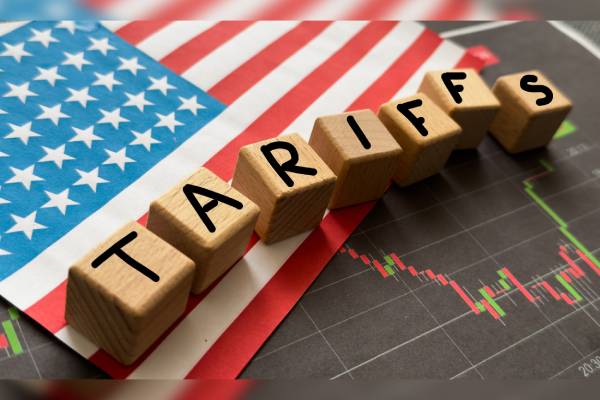
The provision was passed in response to the financial crisis in the 1960s and 1970s, when the US economy was dramatically affected by the dumping of dollars at a time when the American currency was tied to the price of gold. As that is no longer the case, the Associated Press reports that critics of Section 122 have rendered it obsolete.
The cohort of suing states is completed by Colorado, Connecticut, Delaware, Illinois, Maine, Maryland, Massachusetts, Michigan, Minnesota, Nevada, New Jersey, New Mexico, North Carolina, Rhode Island, Vermont, Virginia, Washington, Wisconsin, and the governors of Kentucky and Pennsylvania.
*All images are referential.
Related stories
The fight for $130 billion: CIT orders refund of struck-down IEEPA tariffs
US trade policy reversal sparks concern and instability in the global produce market



Subscribe to our newsletter