

Red raspberries may help cognitive and metabolic health
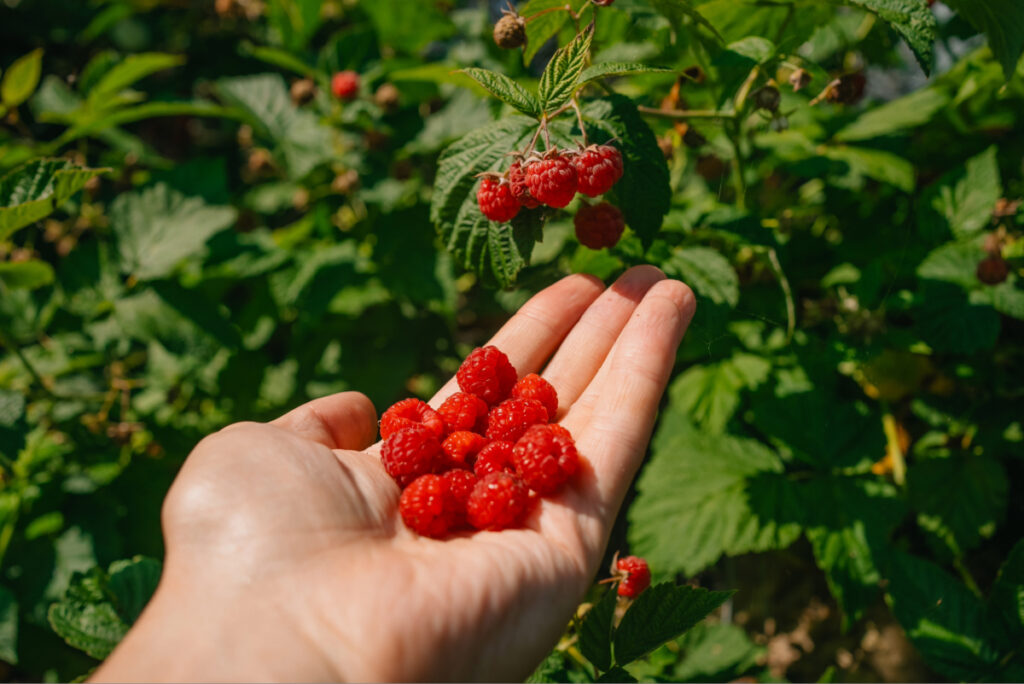

Regular consumption of red raspberries may help protect and enhance brain function and metabolic processes.

A study conducted by researchers at Tufts University and the Illinois Institute of Technology (IIT), shows that eating 25 grams of freeze-dried red raspberries can improve post-meal blood sugar responses and benefit brain processes and digestion within hours.
Raspberries are rich in polyphenols, a plant compound known for its antioxidant and anti-inflammatory benefits, and promoting cellular homeostasis. The data show that, thanks to these nutrients, the fruit aids digestive and brain processes after a carb- and fat-heavy meal.
Researchers prove raspberry’s immediate digestive and brain boost
Published in January 2026 in the British Journal of Nutrition and funded by the Washington Red Raspberry Commission, the study looked into the effects of adding 25 grams of freeze-dried red raspberry powder to the diets of 36 adults aged 50 to 70. The goal was to see if a single serving could spark improvements in metabolism and brainpower after meals.
Blood tests confirmed that including red raspberries made a noticeable impact. The group that consumed the fruit experienced an eight percent reduction in peak glucose and a lower insulin response than the control group.
The cohort also performed better on standardized cognitive tests within hours of consuming the raspberry powder, and blood samples showed reduced neuroinflammatory responses. The latter suggests a potential protective effect on the brain, which could have a positive effect later in life as the risk of dementia, Alzheimer’s, and other neurodegenerative diseases increases.
A berry important addition to older adults’ diets
Britt Burton-Freeman, the study’s lead researcher and Director of the Center for Nutrition Research at the IIT, says consuming these berries regularly may have a long-lasting positive effect in health and wellbeing.
"As we age, maintaining healthy blood sugar and cognitive function becomes increasingly important,” she explains. “These results show that adding red raspberries into your daily diet may have some metabolic and cognitive benefits that are important to all of us as we age."
Remarkably, the study also shows that benefits are immediate, kicking in only after one raspberry-infused meal.
In a press release announcing the findings, the Washington Red Raspberry Commission recognized that, given the size of the studied cohort, further research and longer-term trials are needed to confirm these results. However, the organization celebrated the results, as they add to growing knowledge on raspberry benefits and how incorporating the fruit can help support consumers’ health.
Related stories:
CRISPR gets juicy: DNA-free editing breakthrough could extend raspberry shelf-life



Subscribe to our newsletter