

Lower supplies and falling prices mark the home stretch of Brazil's 2025/26 orange season
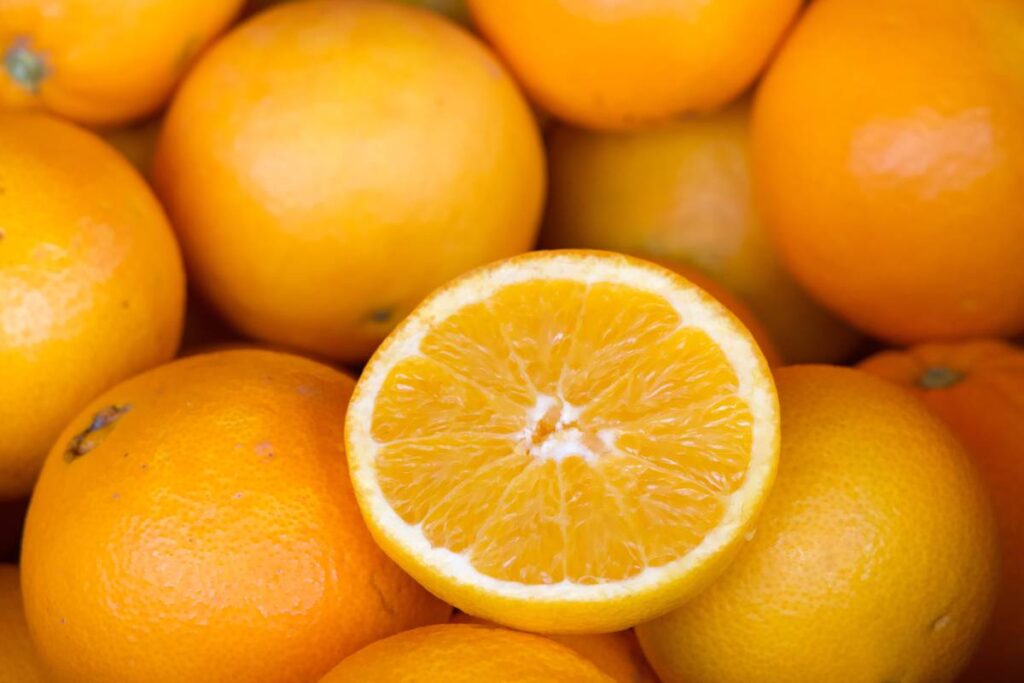


The 2025/26 orange season is reaching its final stage in the São Paulo citrus belt and the Triângulo Mineiro, two of the main producing regions in Brazil.
According to stakeholders consulted by the local Center for Advanced Studies on Applied Economics (Cepea), harvested volumes already show a clear decrease as the end of the campaign approaches.
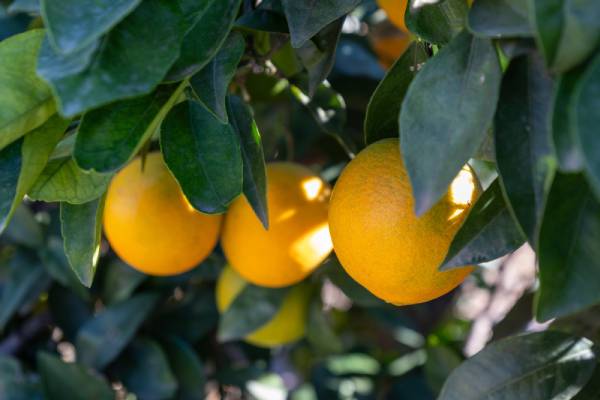
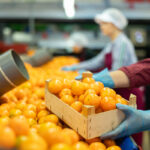
Reports say the main processors still receiving fruit have begun to concentrate their operations in a reduced number of processing plants, reflecting the lower flow of fruit available in the market.
In the most recent Fundecitrus report, published at the end of January, only 13 percent of the estimated volume for the 2025/26 season remained unharvested at that time. However, sector reports show that by the end of February, less than five percent of the total crop remained on trees.
Meanwhile, the industry is already projecting the start of the next campaign, which is expected to start between April and May.
Pressured prices for oranges
Cepea data shows that prices for the Pera variety averaged $6 per 40.8-kilogram box during February (up to day 26), representing a 7.7 percent drop compared to rates recorded in January.
On the other hand, in the fresh fruit market, demand remains strong even though the availability of high-quality oranges is decreasing.
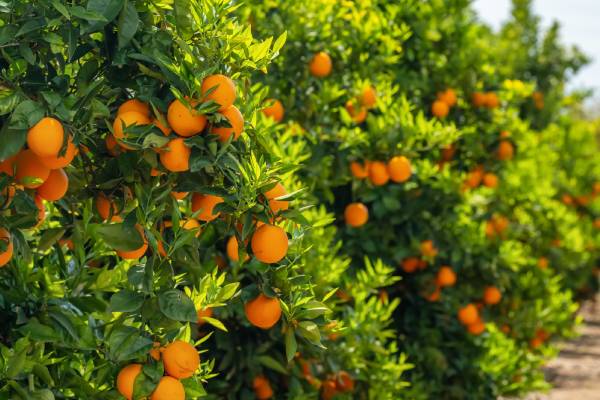
In this segment, Pera orange prices averaged $8 per 40.8-kilogram box during February, representing a nearly three percent decrease compared to the average of the first month of 2026.
With the 2025/26 campaign practically finished, the focus of the Brazilian citrus sector begins to shift toward climatic conditions and their possible effects on the development of the next 2026/27 harvest.
*All images are referential
Related stories
Brazil’s orange output is set to rise in 2025/26, but La Niña and El Niño threaten weather stability
Brazil’s citrus boom sparks orange juice recovery, but prices face pressure
Brazilian orange harvest forecast drops nearly 4% amid severe greening and drought





Subscribe to our newsletter