







Equifruit President Jennie Coleman ties growth to purpose—and pressure for change
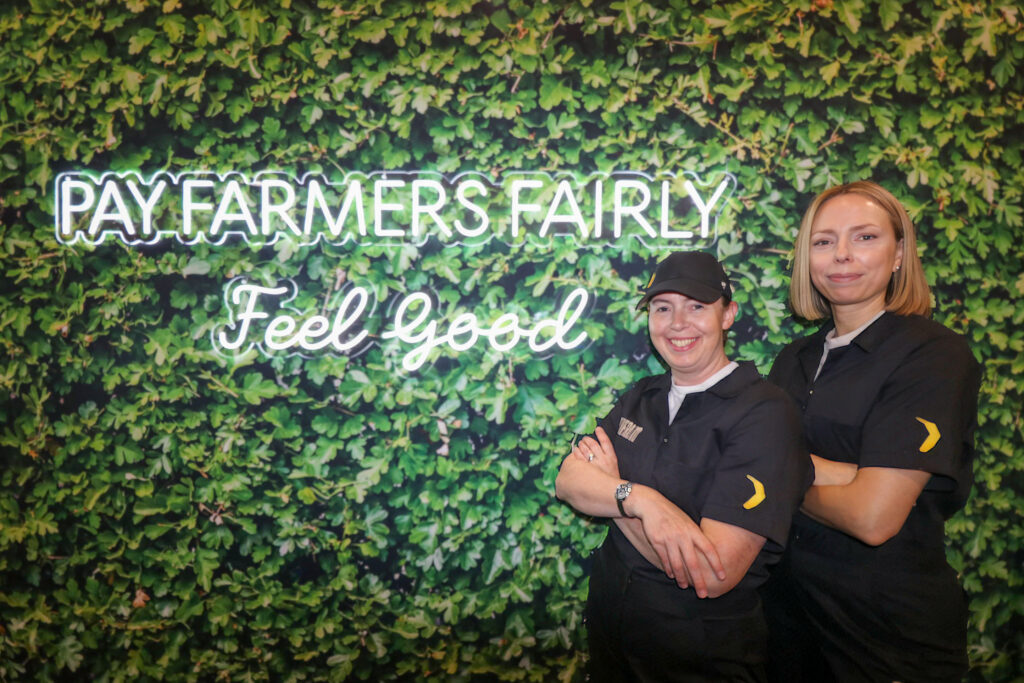



Montreal-based banana importer Equifruit has once again secured a place on The Globe and Mail’s Top Growing Women-Led Companies. The announcement, while exciting, is just another step towards what President Jennie Coleman says she’s been working on for most of her career.

However, the executive believes that progress for women will depend less on awards and recognition and more on sustained pressure from within the industry.
Coleman, whose fairtrade banana company has also landed among Canada’s fastest-growing firms for four consecutive years, attributes the gradual rise of women in the industry to a combination of generational turnover and increased willingness to challenge the status quo.
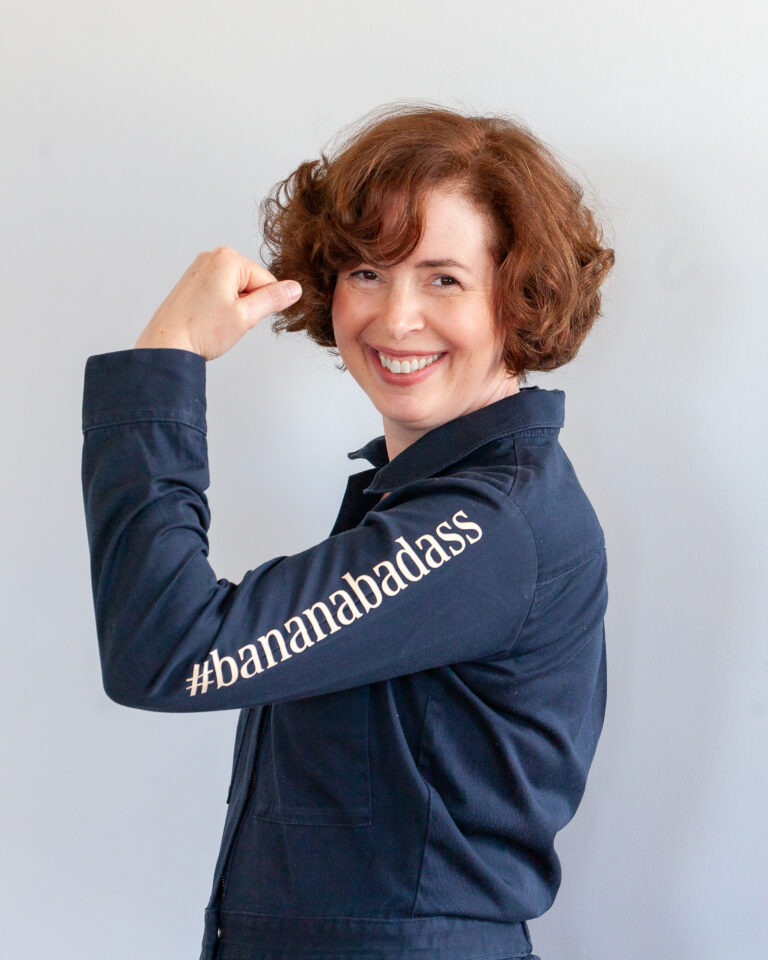
“For a long, long time, this was weirdly seen as a male-dominated sector,” she tells FreshFruitPortal.com. “And let's be clear that there are a few more women leaders emerging, but the baseline is still a very male-dominated industry.”
The real shift, she says, was hardly unprompted. She notes that it has taken an enormous amount of effort to start reversing the gender disparity within the produce sector and women drawing a line in the sand are truly getting the gears moving.
“If we don't stand up and speak for ourselves and make our voices heard, the old boys club will be perpetuated,” she stresses.
Getting more women into the ag industry
Coleman says that a critical inflection point has been more women executives addressing inequities directly. During her tenure at Equifruit, those challenges have persisted.
“Over the last 12 years, I personally and my majority-female team have experienced so much sexism in this industry that we've just put our foot down and said: ‘No’,” she states.
Her advocacy has extended beyond her company through leadership roles with the Canadian Produce Marketing Association (CPMA), where she has pushed diversity, equity, and inclusion initiatives at the board level.
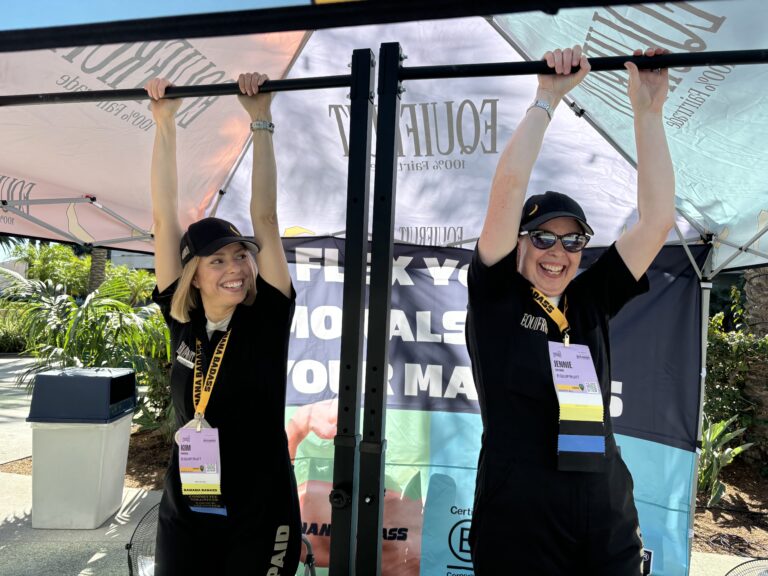
“The first time you say those things, it's very, very difficult. And stressful,” she says. “And as with many things, once you've said it, there's just no way I'm not going to be treated like this anymore,” she adds.
Equifruit has also taken a very public stance in the banana sector. Last year, the firm backed the “El silencio no protege” (“Silence doesn’t protect”) campaign pushed by the Latin American and Caribbean Network of Fair Trade Small Producers and Workers (CLAC). This initiative seeks to prevent gender-based violence and sexual harassment in workplaces.
In conjunction with the campaign, the firm demonstrated its support for the initiative by releasing its Policy for the Prevention and Management of Psychological and Sexual Harassment, available on the company’s website.
Slow and steady wins the race
Coleman linked Equifruit’s fruitful commercial trajectory to a deliberate, long-term approach.
“I think that women tend to be more conservative, and I think that that has translated into slow and steady winning the race,” she says. “It may be slow at first, but we are seeing the impact of that determined, tenacious strategy in growth now.”
This approach also aligns with the company’s long-standing stance on fair trade bananas, which, Coleman says, still rings true.
“We never change what we say. We are always focused on 100 percent fair trade,” she states. “And that means that when people eventually think about fair trade, who are they going to associate that with? They're going to associate that with Equifruit.”

As part of its next phase, the company is adding a “women-owned” designation to its packaging alongside its B Corp and Fairtrade stickers. The design is set to debut at the end of April at the CPMA show in Toronto.
Coleman hopes this will resonate with shoppers, who are historically and predominantly women.
Happy news and renewed equity efforts aside, the executive cautions against overstating the competitive advantage of women-led businesses in produce, citing the limited number of comparable companies. For Coleman, the broader objective remains industry-wide change driven by continued advocacy.
“If I can inspire other women to speak up and not let silence cover our realities, we're going to change mindsets bit by bit,” she concludes.
*All pictures courtesy of Equifruit.
Related stories
Jennie Coleman, Equifruit CEO: "You can't have it both ways—sustainable production costs something"
Mexico deploys strict TR4 protocols ahead of international banana meeting
The only banana you should buy costs less than one sock - Equifruit







Subscribe to our newsletter