

Brazil’s orange juice shipments to the EU slipped in February
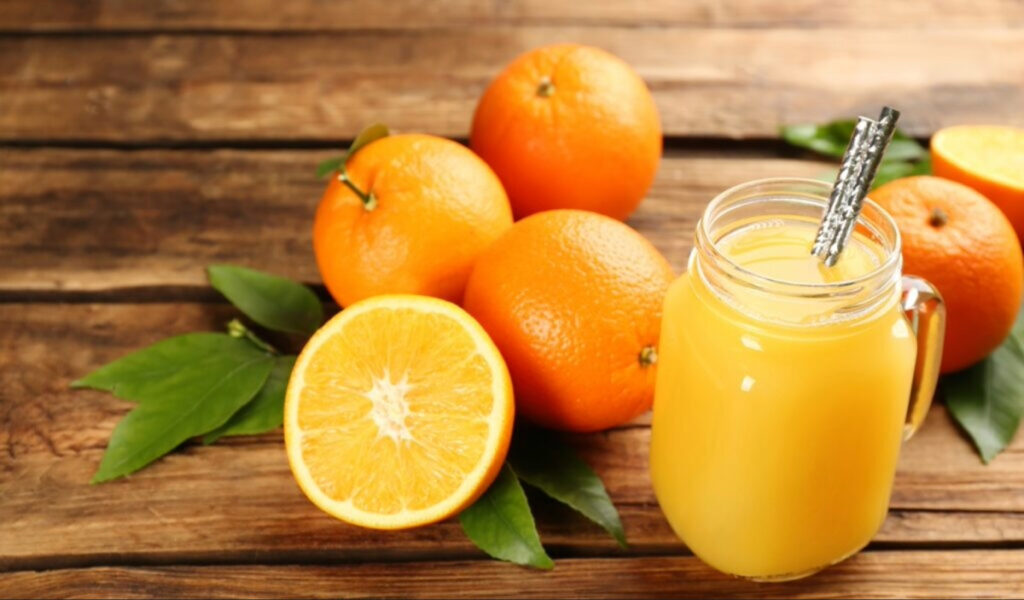

The 2025/2026 season has been a shaky one for Brazilian orange juice exports.

According to São Paulo University’s Center for Advanced Studies on Applied Economics (Cepea), shipments surged in January but then took an unexpected dip in February, mainly due to a decrease in OJ exports to the European Union.
Cepea’s data shows the February slump has stirred concern among industry players, since Europe is a vital market for Brazilian orange juice.
Meanwhile, robust shipments to the United States, Brazil’s second-largest orange juice trade partner, have helped cushion the blow. In contrast, exports to the northern country reached 256,100 tons between July and February, a 23 percent increase over the same period last year.
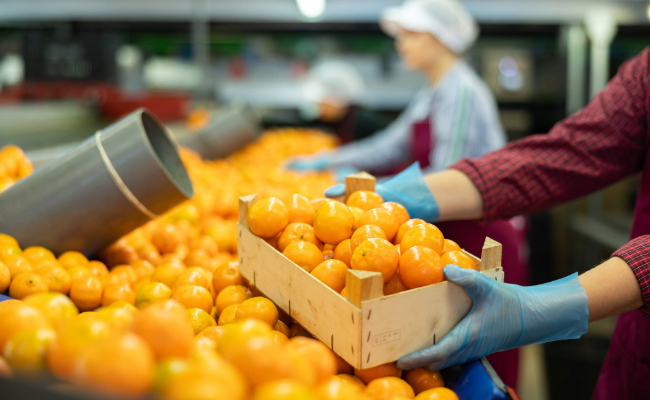
Brazilian OJ’s sustained import decline
Unfortunately, the rise in US exports hasn’t offset a larger downward trend in the Brazilian orange juice industry.
Up until the 2023/24 season, the country’s total OJ exports typically exceeded one million tons. In 2024/25, total exports fell by 22.7 percent to 775,600 tons.
So far in the 2025/26 season—between July 2025 and February 2026—exports of concentrated orange juice (66° Brix), measured as frozen concentrated orange juice (FCOJ) equivalent, totaled 549,960 tons. This represents a 3.8 percent decrease compared to the same period last year.
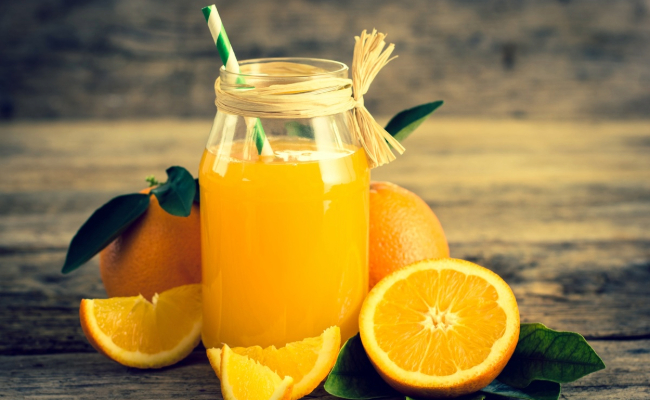
Export revenues also declined. In the first eight months of the season, international shipments totaled $1.885 billion, a 27.1 percent decrease year-on-year.
Between July and February, shipments to the European Union totaled 250,200 tons, down 55,700 tons from the same period last season. In February, Brazil exported 24,500 tons to the bloc, significantly less than the 49,800 tons shipped in January, according to Cepea.
To match last season’s total shipments to the EU of 392,100 tons, Brazil would need to export a monthly average of 35,500 tons over the next four months.
The market remains wary about achieving this target.
Related stories:
Global orange juice consumption to climb four percent in 2026







Subscribe to our newsletter