






Mango exports to Russia: Consumption trends and operational challenges in 2026

By Francisco Seva Rivadulla, international agri-food reporter.

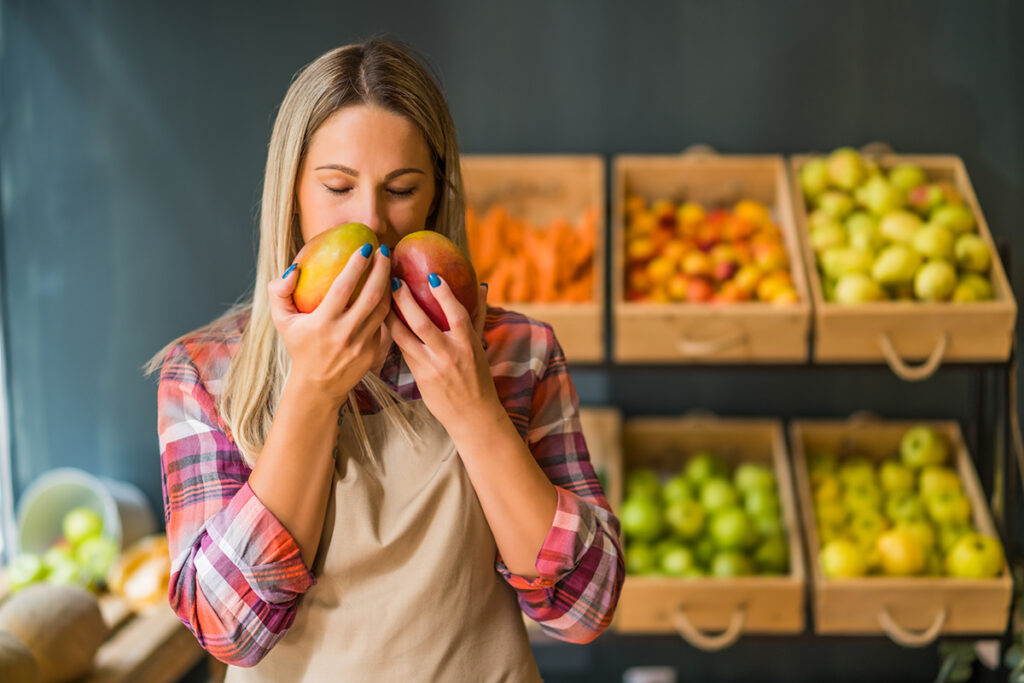
Mangos has begun consolidating its presence in Russia, an emerging but expanding market. What was an exotic product limited to a few stores a decade ago is now found in urban supermarkets and specialized chains, driven by more cosmopolitan and demanding consumers.
The fruit’s expansion in the European country is a clear example of how markets far from the producing regions require careful distribution, commercialization, and brand positioning strategies.
Growing demand in an urban market
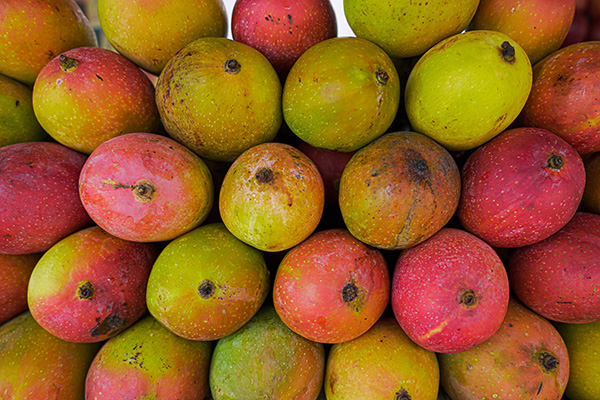
Cities like Moscow and Saint Petersburg account for most of the country’s mango consumption. There, the fruit has become a symbol of healthy eating, a premium product sought after by urban families with purchasing power and by consumers who regularly buy exotic fruits.
The demand has created opportunities for importers, distributors, and retailers, who seek to ensure the fruit arrives fresh and in optimal condition, avoiding losses during long journeys from producing countries.
But just as demand is growing, so are the challenges. The main one is logistics, as the fruit requires cold-chain transportation over long distances, first by sea and then by land routes connecting ports with interior cities.
Coordination among producers, transporters, and importers is critical to maintain quality and freshness, since any delay can affect product perception.
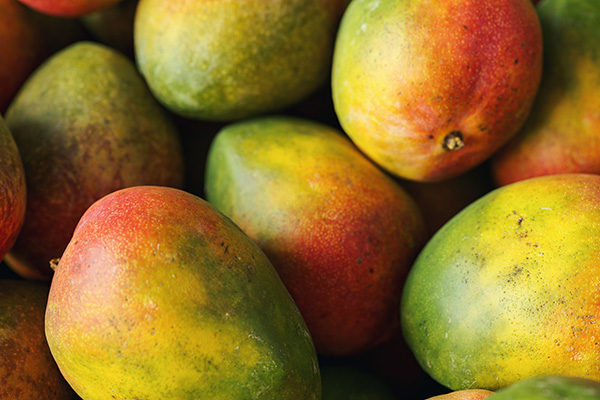
Furthermore, Russian phytosanitary regulations require inspections and certifications, further complicating mango's arrival to the market and forcing chain actors to precisely plan each shipment.
Adaptating to the Russian consumer
Beyond logistics, the success of mango in Russia depends on how it is presented and sold. This fruit is positioned in premium supermarkets and specialized stores, where consumers value information on origin, variety, and quality.
Distributors play a fundamental role: they adapt delivery times, adjust prices by season, and ensure the fruit is available at the right time to meet the growing urban demand.
The sale of mangos in the country is not limited to price, as the product's story, freshness, and presentation are decisive factors.
Russia imports mangoes from various producing countries, such as Mexico, Brazil, Peru, India, and Egypt. Competition is based not only on volume, but also on quality, freshness, and supply consistency.
To position themselves, chain actors have chosen to differentiate the product through specific varieties, uniformly sized fruit, attractive packaging, and certifications that guarantee food safety.
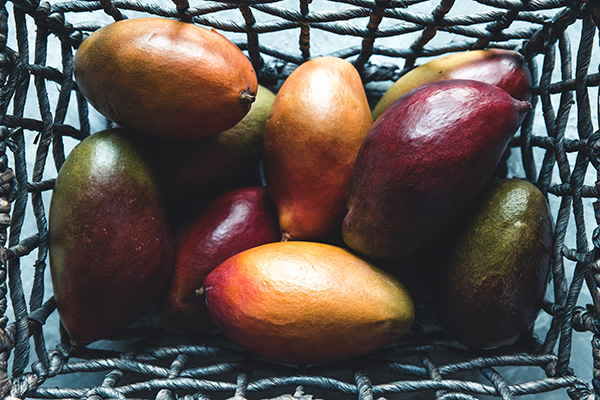
The industry has learned that the key is not to flood the market with cheap fruit, but rather to offer a reliable, high-quality mango that justifies its presence in a market characterized by sophisticated consumers.
Strategic internationalization
The case of mango in Russia demonstrates that exporting fruit to distant markets is more than just sending products. It requires understanding consumer habits and preferences, adapting logistics to maintain freshness and quality, building solid relationships with distributors and retailers, and differentiating the product from international competitors.
Russia serves as a learning laboratory for m managing exotic fruits in climates and consumption systems different from those of the producing countries.
Mango in Russia is an example of careful global expansion: precise logistics, adapted commercialization, and product differentiation are key to consolidating its presence. Although it is still an emerging market, its growth potential is evident, and those who can offer fresh, reliable fruit will be well-positioned to capitalize on it.
This popular food, which was born under the sun, now faces its test in the cold north: conquering Russian palates without losing freshness or quality.
*All images are referential.
Related stories
China's table grape exports to Russia triple, reaching record $81 million in 2025







Subscribe to our newsletter