







Apple crop shrinks, berries slow to start in Q2
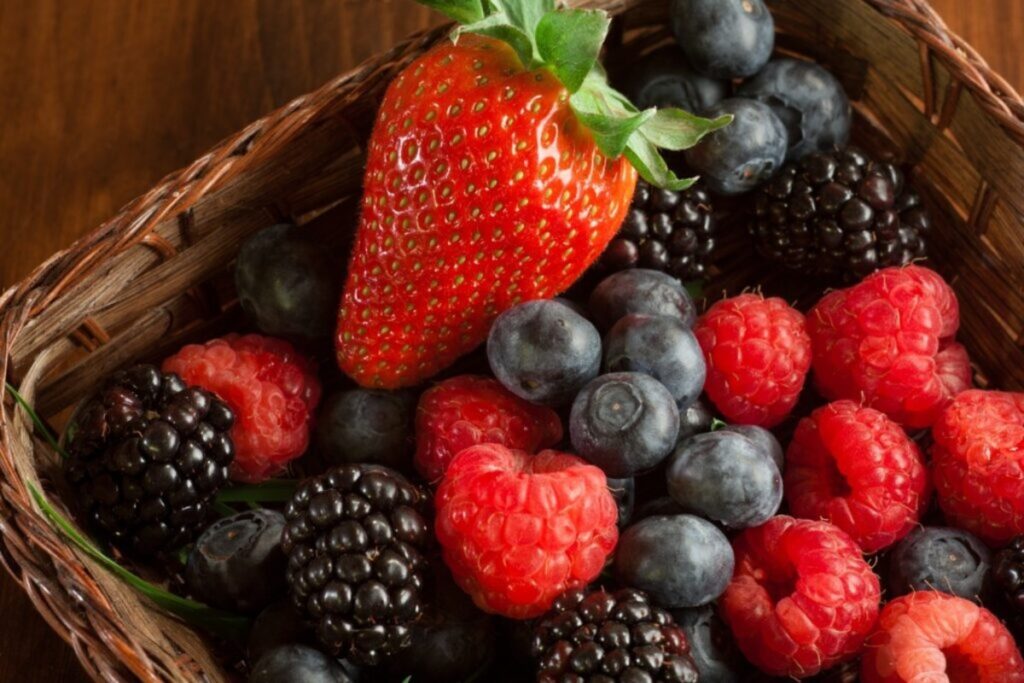

The US apple industry keeps lowering its crop estimates, while warm-weather favorites like strawberries and blueberries are struggling to take off after adverse climate events, says the Produce Alliance’s 2026 Q2 forecast

However, the report is not all bad news, as the retailer service expects most US seasonal produce supplies to normalize by mid-April after plants rebound.
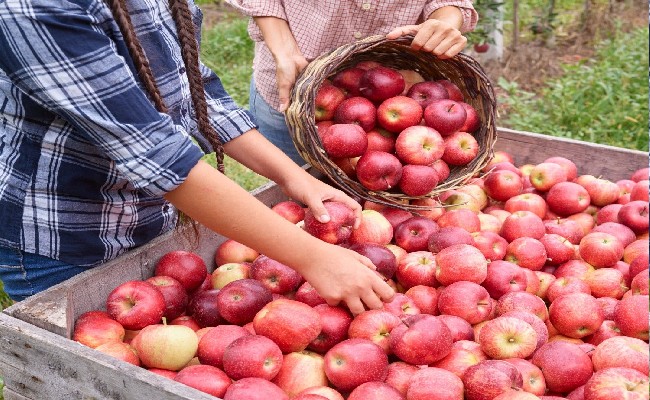
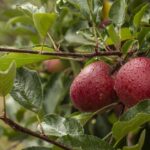
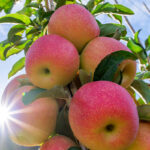
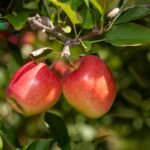
Apples are in for a rocky 2026
Washington apple growers' projections are at nearly 130 million boxes, over 10 million fewer than early-season expectations and about eight percent below last season.
The Produce Alliance attributes this apple revision to lower-than-expected pack-out rates, which reduced the number of fresh-market cartons available.
Unfortunately, that’s not the end of the grim outlook for US apples, as the industry faces both a tight supply and larger fruit overall.
It sounds counterintuitive, but smaller apples sizes (113–175 count) are actually more profitable, as they are sold to retail bag programs that pay a premium over traditional tray-pack markets.
Foodservice and wholesale channels are also affected by the larger apple crop, as they also prefer smaller sizes.
Berries' Q2 predictions: Slow but steady
Strawberry, blueberry, and blackberry supplies will ramp up as summer arrives, says the Produce Alliance.
Blackberry volumes have been light through Q1 but are expected to increase by mid-April. The report anticipates a late start to the season and a decrease in the highest-quality fruit offerings due to ongoing heat. Overall quality (between 80 and 88 percent of the volume) is currently graded as fancy, but volumes of top-notch, premium fruit are lower due to high temperatures, which have detrimentally affected fruit size and firmness. The US blackberry season runs from May to early fall.
Meanwhile, the Southeast freezes gave blueberries a slow start, with limited supply projected through April. Supplies will increase in May and June as production begins in Georgia and California.
In the state-by-state breakdown, the report projects a smaller crop from Florida, running from late March through mid-May, and a late start in Georgia, lasting from April through the end of May. Meanwhile, California’s Central Valley blueberry harvest is anticipated to begin in early May, providing a solid output through mid-June.
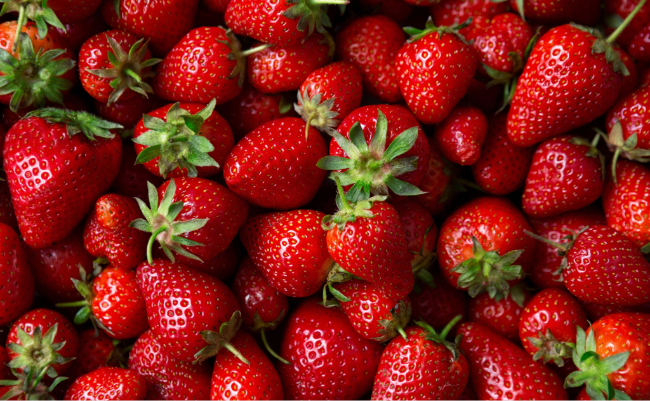
Strawberry volumes are also projected to increase from mid-April through early June, supported by peak production before tapering as the California Santa Maria spring crop ends. The firm reports that recent heat has affected quality and harvest periods, resulting in increased field culling to maintain pack standards. Quality is expected to return to normal by the end of April. As the Santa Maria production winds down, Salinas and Watsonville production will increase, with the former’s fall crop expected to begin in mid-July.
Citrus: Higher Valencia orange volumes and softer mandarins expected this season
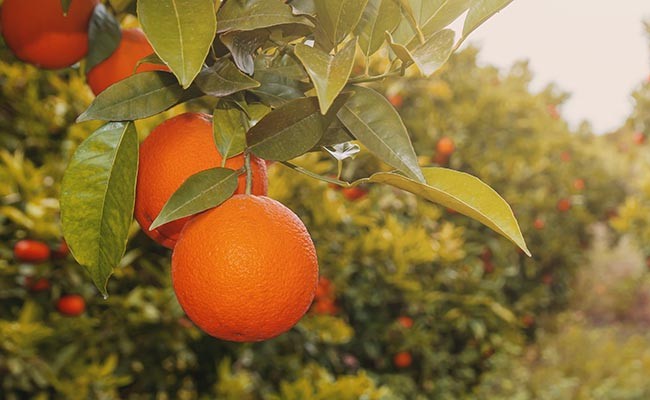
California Navels are projected to be available through June. Mid-season varieties are peaking at medium to large sizes (72s, 56s, 48s), while late-season varieties are trending even larger (48, 40, 56). Small fruit sizes (88s and smaller) are expected to be limited from April through June.
Valencia harvesting will begin in mid to late April, with the domestic season running from mid-May to October. The crop is estimated to increase between 10 and 20 percent this year and is also expected to trend toward larger sizes as the harvest progresses, similar to the Navel size distribution.
Large blood oranges in the Golden State will be available through June. Growers are nearing completion of the Moro orange harvest and will transition to Sanguinelli next month.
Mandarin quality and softness may be affected by high heat in the coming weeks, which is expected to be an industry-wide issue that can potentially affect pricing.
The domestic mandarin crop is planned to finish by the first week of June.
Grapefruit harvesting in California will continue through mid-September, with the crop estimated to be down by between 10 and 20 percent compared to last year. Fruit sizes are peaking at 32 and 37, indicating large fruit.
Texas grapefruit will be harvested in early May, after which production will transition to California.
Related stories:
EU apple imports gain ground in Brazil as demand grows over 50 percent
Florida citrus challenges freeze woes with new (and improved) forecast






Subscribe to our newsletter