As banana margins shrink, BANA calls for a broader conversation
 Add Fresh Fruit Portal to Google
Probably more than any other category in the produce aisle, bananas are in a dire situation.
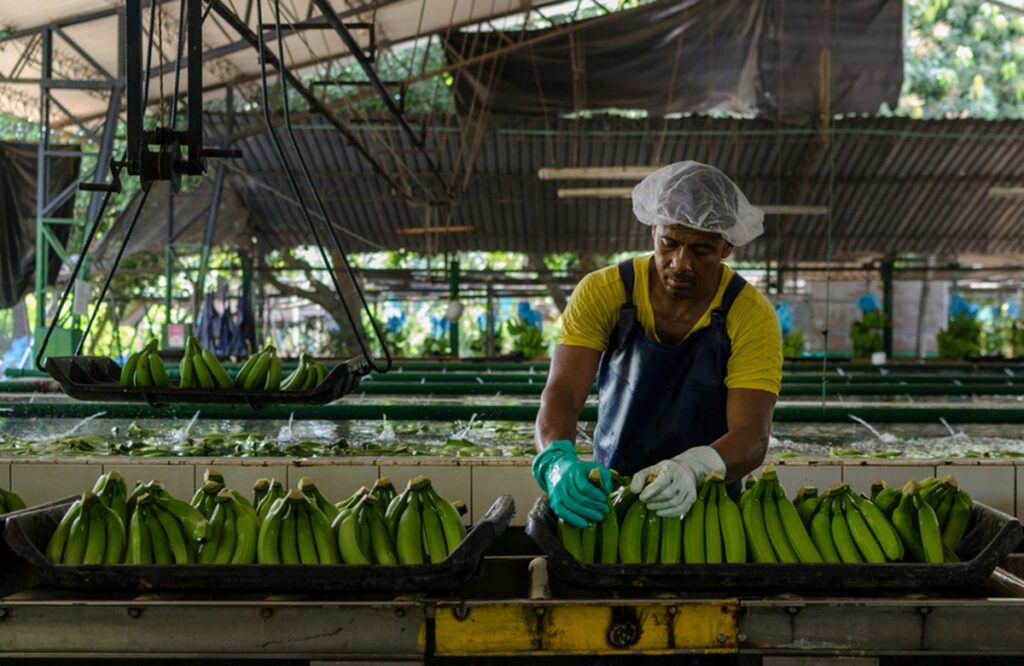
A staple food known for its versatility, low price, and status as America’s favorite fruit, the commodity has been grappling with industry-threatening diseases such as Black Sigatoka and Fusarium TR4, which have decimated banana production across producing countries over the last five years.
Add to that climate change-driven weather volatility in the tropics, which directly boosts the spread of disease, and you've got yourself a problem.
Unfortunately, that’s not the end of the banana industry’s woes. Recent geopolitical disruptions in the Middle East have hit fresh produce production hard, with rising fuel and fertilizer costs cutting margins dramatically across the board.

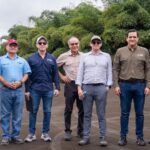
Image courtesy of Tom Stenzel.
Head of Banana Association of North America (BANA) Tom Stenzel knows this story all too well. His organization, along with other category giants such as Fresh Del Monte, has been sounding the alarm for quite some time, and they’re doing so again now that additional pressure is squeezing producers’ margins and farms across producing regions are shutting down.
In an interview with FreshFruitPortal.com, Stenzel discussed the current situation and how, in his opinion, the sector should leverage the public’s undying love for bananas to ensure a more sustainable future for the industry.
“Bananas are underappreciated: They've always been there, always in big supply, and always cheap. So they're kind of taken for granted,” he noted. “It’s going to be a challenge for this industry—to restart a conversation about what the true value of bananas is and how we are able to price and supply them to match that real value.”
Geopolitical disruptions have hit the global banana industry particularly hard, given the challenging situation the sector’s been facing. Do you agree with this assessment?
I certainly agree 100 percent with what the grower groups have been saying. It seems to me that this Middle East situation, the Iran war, really was kind of the straw that broke the camel's back.
The industry's been facing disease pressures, but when you got this massive escalation of costs, it was just that one extra thing that, honestly, the banana marketing companies believe is a pretty serious threat to the supply chain.

One of the real concerns right now is that we're going to be seeing more farms going out of production, the less profitable ones. There's a risk of growers shifting to other crops.
The importance of fertilizer, I think, is underappreciated because bananas are uptaking fertilizer all the time, so you can't miss one application and then make it up later.
Recently there have been reports of razor-thin margins in banana-producing countries in Central America, and even Fresh Del Monte closed four farms in Costa Rica a couple of weeks ago. How has this impacted the US market?
We haven't really seen any change here in US banana prices at retail. There is a mechanism for the fuel pass-through on the bunker fuel for shipping, but it's on a three-month delay. So, we're just now getting to the point where the marketing companies have had to be absorbing what is a doubling of the cost of bunker fuel.
That's been hugely significant. Their margins, the same as the grower margins, are just razor-thin, if they exist at all.
Now's the time for a pretty serious conversation with retailers to talk about the sustainability of the banana market. We’ll need to bring growers into it, too.
In this US market, I read the other day that in 1980 the [banana] price was about 30 cents a pound. Today, I think the average price at retail is about 60 cents. It sounds like that's doubling, but if you account for inflation, it should be $1.10. We're basically selling bananas in the US at almost half of what they cost in 1980.
That's a real issue. If we really want a reliable, sustainable supply chain, we're going to have to start investing more back in production in the tropics.
As America’s favorite fruit, bananas were once believed to be inflation-proof, but that doesn’t seem to be the case anymore.
I think we've reached that critical turning point where bananas are no longer inflation-free; that's just not going to be the case.
As far as consumer reaction to price, I think it's a little bit of mythology among retailers that price is the driving comparison point. We saw that when the US imposed a 10 percent tariff—I believe it was Walmart that went up four or five cents a pound specifically due to the tariffs—and there was no impact on consumer demand.
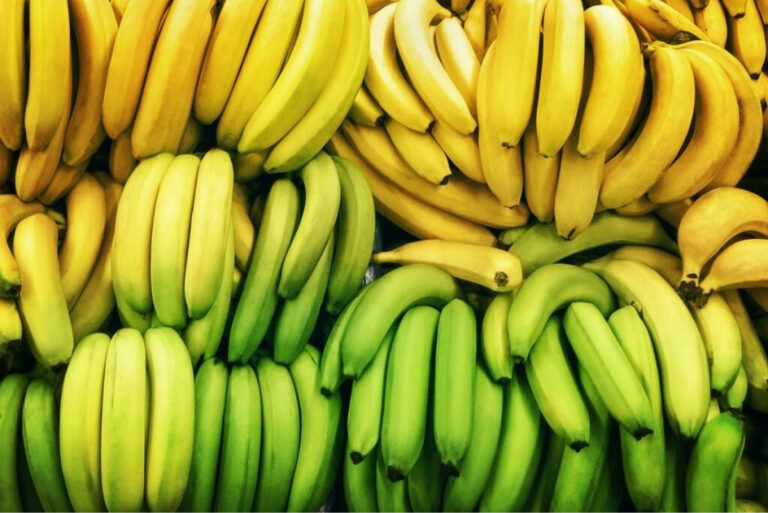
So that's one of the lessons we hope the retailers will start to understand: they can make better margins themselves. Go up five cents a pound, split it with your suppliers and growers, and everybody comes out better, and the supply chain is more reliable.
However, demand has remained pretty flat over the years. Is that one of BANA’s priorities at the moment?
It is. We think that we need to do more of a marketing approach about the category, the way avocados and some other competitive fruits have done.
We particularly are interested in young people. Bananas are a staple for families with children, but when they go off to university or are young singles living in a city, we see some drop-off in consumption. That's an area where we really want to re-engage.
Does the association have any plans in this regard?
We're not ready to announce anything yet, but we've done some consumer research and are looking at options. I'm kind of excited about it. I hope that in the next few months we can do that.
But honestly, one of the challenges is the stress on the marketplace right now. With companies footing much higher bills, it's harder to say, "Okay, let's go do a marketing campaign." But long term, we're going to have to do both.
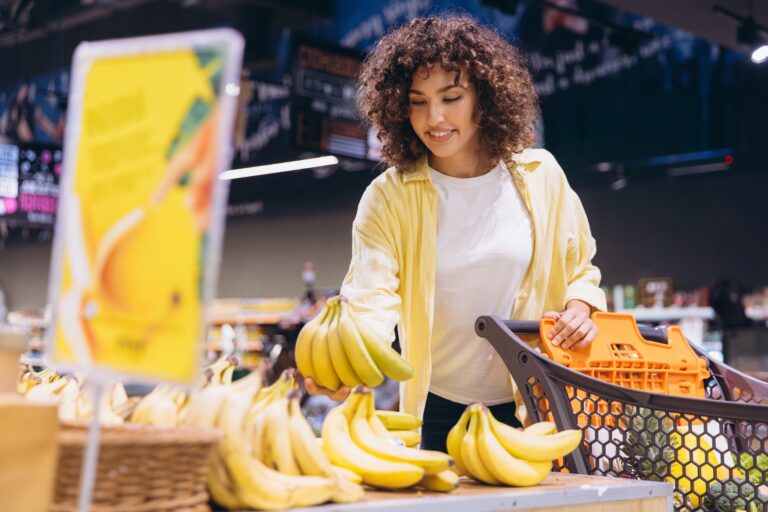
The industry has been talking about the challenging situation facing the sector for years now, and you mentioned bringing growers and maybe even the general public into the conversation, but how do you do that?
It’s a question we're grappling with right now. We can't just go to the consumer and complain. We've got to tell the story in a more effective way.
We're looking at doing more in the tropics, whether it's video showing the disease pressure, bringing top media to see what's actually happening on the ground, or bringing in retailers. Retailers are the ultimate gatekeeper here.
There have been a lot of advances in banana R&D lately. It’s all really exciting, but science takes a long time to go from the lab to the banana you pay 20 cents for.
It's years still. They'll get there; that transition has to come. But meanwhile, the cost of containing TR4, the physical limitations on access to plantations, the management structures, and the amount of [fungicide] Mancozeb they're having to use for Black Sigatoka—which is also being stressed by regulatory approvals—all of those are costs in addition to the R&D on new genetics. So it does feel like it's a tenuous point for this industry.
I'm an optimist. I think we're going to get through it. But, on the other hand, it's time for a broader conversation.
*All images are referential unless stated otherwise.
Related stories
Fresh Del Monte: global banana shortage will require “substantial adjustments”