Securing Agriculture’s Workforce (SAWA) Act gets support from the Ag Wage Reform Coalition
 Add Fresh Fruit Portal to Google
The Ag Wage Reform Coalition, an organization encompassing 35 ag-industry members and grower associations in nine states, is supporting the introduction of the Securing Agriculture’s Workforce Act (SAWA). The legislation was introduced by House Agriculture Committee Chairman G.T. Thompson (R-PA) to modernize and strengthen the US agricultural workforce system, said the collective.
In a press release announcing its support, the coalition defended the SAWA, saying it "addresses many of the workforce challenges that have threatened the long-term viability" of labor-intensive agricultural sectors. This, it said, is increasingly important in a context marked by escalating labor costs, workforce shortages, administrative delays, and growing uncertainty surrounding the H-2A program.
“This legislation represents one of the most comprehensive efforts in decades to modernize agricultural workforce policy,” said Chris Butts, coalition Spokesperson and Executive Director of the Georgia Fruit and Vegetable Growers Association. “It reflects many of the recommendations developed through extensive stakeholder discussions and addresses real-world challenges faced by specialty crop producers every day.”
The coalition underscored several provisions in the SAWA bill, such as expanded access to a larger workforce to meet the year-round needs of diverse agricultural operations, streamlined application, certification, and hiring processes improving workforce reliability, and the creation of a single online portal to simplify interactions between employers and federal agencies.
SAWA as an option to strengthen food security in the US
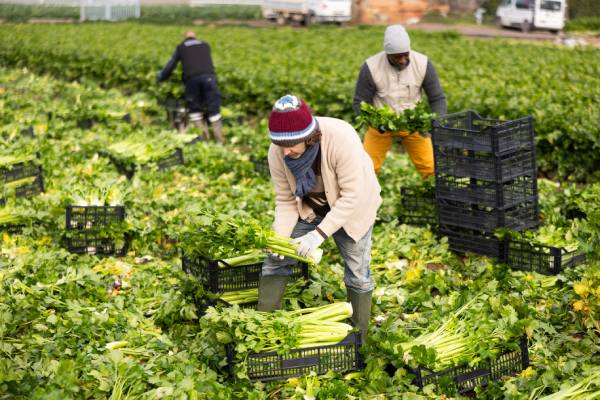
In the press release, the coalition noted that workforce challenges remain among the greatest threats to domestic specialty crop production, increasing reliance on imported food, and placing additional pressure on family farms and rural communities.
“America’s growers are competing in a global marketplace while producing food under some of the highest labor, environmental, and food safety standards in the world,” said Michelle Grainger, Executive Director of the North Carolina Sweetpotato Commission. “A stable, predictable workforce system is essential to maintaining domestic food production, preserving rural jobs, and strengthening our nation’s food security.”
The coalition also highlighted that many provisions in the SAWA legislation closely align with recommendations previously advanced by the Agricultural Labor Working Group, demonstrating broad stakeholder support for modernizing the agricultural workforce system.
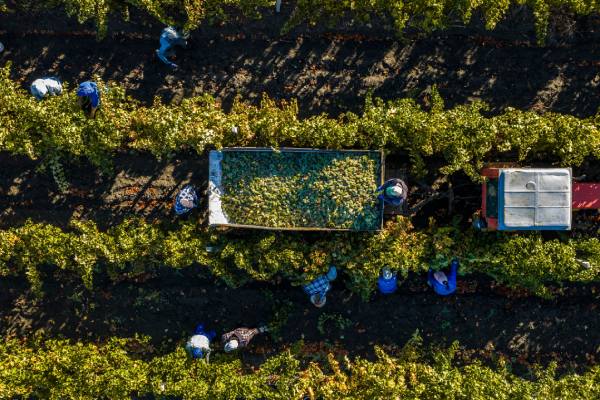
As Congress begins consideration of the legislation, the coalition called on lawmakers from both parties to work toward practical solutions that support stakeholders all along the supply chain of American agriculture.
Related stories
Labor costs now consume up to 70 percent of US apple growers' wholesale price
Labor costs squeeze US fruit growers, threatening profit margins in 2026
H-2A program nearly tops 400,000 requested positions for the first time