A vaccine for trees: The new virus-powered weapon joining the fight against HLB
 Add Fresh Fruit Portal to Google
In Florida’s citrus belt, where rows of once-productive groves now stand thinned and struggling, a new kind of intervention is quietly moving from the lab into commercial plantations. The tool at the center of it all is a virus—one engineered to turn citrus trees into their own source of disease defense, much like the modern vaccine.
The approach aims to help in the fight against Huanglongbing (HLB), or citrus greening, a disease that has decimated the state’s citrus industry over the past two decades.
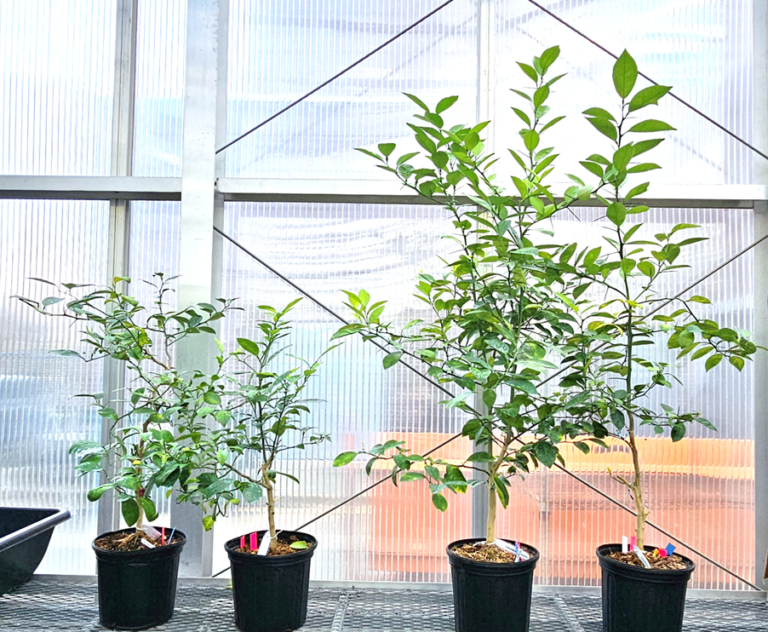
Silvec protected trees on the right and unprotected ones on the left.
Maryland-based company Silvec Biologics developed a modified Citrus tristeza virus to “inoculate” trees and induce them to produce a natural antimicrobial peptide found in spinach, called “defensin.” This compound, President and co-founder Rafael Simon explained to FreshFruitPortal.com, has been shown to reduce citrus greening levels and provide long–term protection without modifying the tree’s genome.
The product was recently registered for unrestricted commercial use under the United States Environmental Protection Agency’s (EPA) Federal Insecticide, Fungicide, and Rodenticide Act.
“You have third- and fourth-generation growers with this passion for the crop, and driving through Central Florida, you see nothing but endless rows of dead trees. It’s heartbreaking,” Simon explained of the company’s motivation behind the solution.
A virus-turned-delivery system enters the grove
Viruses are incredibly adept at infiltrating plants, replicating, and hijacking cellular machinery to produce the proteins they need to survive, Simon explained of the tool’s nature. Silvec’s technology leverages precisely this aspect by inserting a specific genetic sequence into the virus, and then letting it do the heavy lifting.
“As it spreads throughout the plant's cells, it not only continues its natural replication process but also coerces the plant into producing the therapeutic protein we’ve introduced. In essence, we trick the plant into synthesizing the very protein it needs to cure itself,” Simon explained.
Future iterations could target additional citrus pathogens, nematodes, fungi, insect pests and other bacteria and viruses.
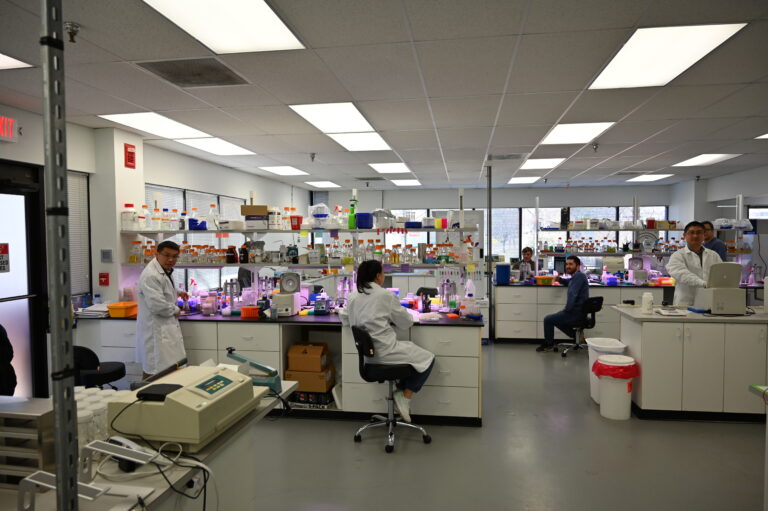
Silvec's team in the lab.
The company works with a Florida nursery partner that has maintained treated mother trees for more than a year. Those trees supply budwood that enters standard grafting and budding workflows, allowing the technology to move through existing production channels.
“There’s no real supply chain or distribution or shipping barrels of chemicals or spraying, none of that,” Simon said of the application process.
In controlled studies, Simon said Silvec has observed reductions in HLB infection over a six- to 12-month period after grafting into younger infected trees. The company continues to evaluate which tree conditions and disease stages could support that approach in commercial settings.
Beyond Florida, Silvec is working with the US Department of Agriculture on evaluations in California, where regulators are assessing the use of the Florida-native virus in local citrus varieties. Additional trials are underway with research partners in other citrus-producing regions.
“We’re a small company, and this is a huge achievement that we’re very proud of. Small companies usually don't get EPA approvals for complex new platforms like this, so we’re proud of our team that has worked tirelessly on this,” Simon stressed.
* Top photo is referential via Unsplash. | Body photos courtesy of Silvec.
Related stories
USDA ARS’s path to finding a more efficient, HLB-resistant citrus fruit
Soilcea begins commercial rollout of HLB-resistant rootstock after federal approval