


Parasite outbreak puts US health agencies on fruit alert as industry pushes back
 Add Fresh Fruit Portal to Google
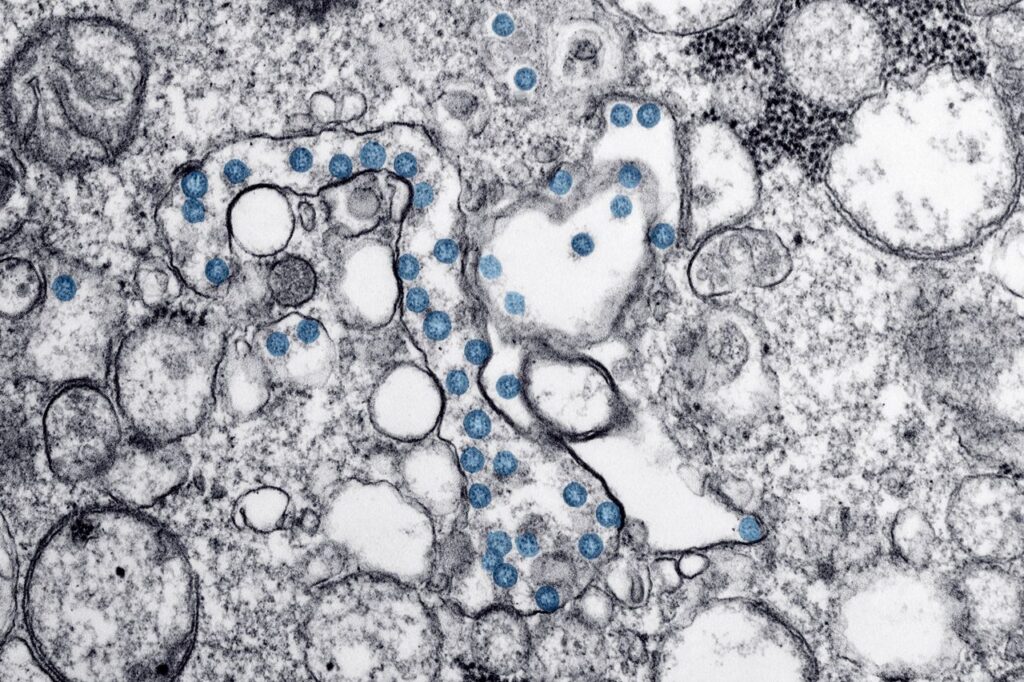
The United States Centers for Disease Control and Prevention (CDC) is currently collaborating with the US Food and Drug Administration (FDA) and local health officials to pinpoint the source of the parasitic illness Cyclospora linked to contaminated fresh produce, The Guardian reported.
However, the International Fresh Produce Association (IFPA) has publicly criticized the investigation, stating that social media and public health officials are rushing to assign blame to the produce sector rather than identifying a source using evidence and data.
The parasite, Cyclospora, has caused 1,645 confirmed cases across 34 states as of July 14, including 141 hospitalizations, news agency Bluebook confirmed.
Fortunately, no deaths have been reported.
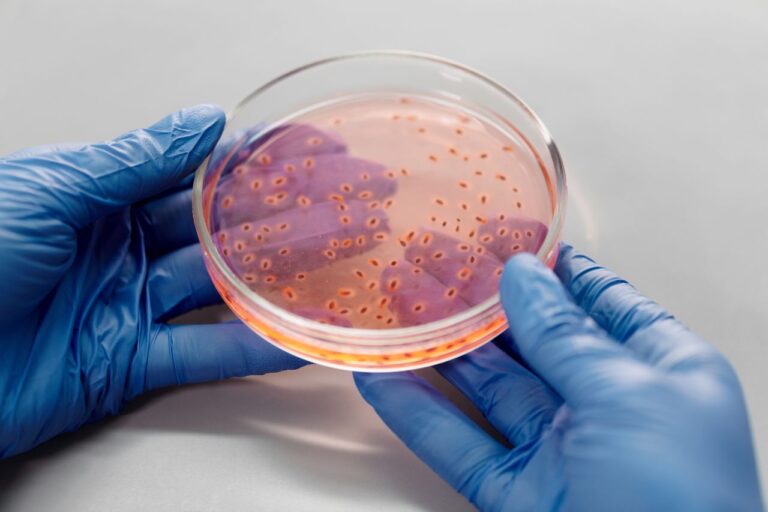
The resulting intestinal illness, cyclosporiasis, causes symptoms such as cramps, nausea, fatigue, loss of appetite, low-grade fever, and vomiting. According to the CDC, the most commonly reported symptom is “watery diarrhea with frequent and sometimes explosive bowel movements.”
Federal investigators have not identified a specific product source, prompting growing concern among grocery buyers, importers, and growers nationwide during peak summer produce season.
Cyclospora outbreaks: A seasonal threat
Federal investigators have not found immediate evidence linking all patients to a single, multi-state outbreak. Instead, authorities are working to identify various potential clusters and sources of illness across multiple states. According to the CDC, identified patients ate food within the US and had not traveled internationally in the two weeks prior to falling ill.
The disease is highly seasonal in the US, typically peaking between May and August. This timeline coincides with high consumer demand for fresh items like basil, cilantro, spinach, and berries, which have been tied to Cyclospora outbreaks in the past.

Michigan has emerged as the hardest-hit area with more than 300 cases reported since June 22. State-level data reveal a "large and growing Cyclospora outbreak," with a spike in infections that sharply contrasts with the usual 50 cyclosporiasis cases reported annually.
In a statement, the Michigan Department of Health and Human Services noted that past cyclosporiasis outbreaks in the US and Canada have been linked to bagged salad mixes and kits, fresh cilantro, fresh basil, raspberries, snow peas, and green onions.
Meanwhile, the New York State Department of Health has recorded 107 cases since May 1, compared to its typical annual state total of 500 to 700 cases. In New York City, health officials reported that local infections roughly doubled from January through June compared to the same period last year.
Symptoms of the infection can take anywhere from two days to two weeks to develop after ingesting the parasite, though some patients remain asymptomatic. While individuals with healthy immune systems often recover on their own within days or weeks, more severe cases are treated with antibiotics. The disease is not typically transmitted directly from person to person.
Produce advocates call for hard data over finger-pointing
Max Teplitski, Chief Science Officer for the IFPA, told Bluebook that the Cyclospora outbreak is on track to be the largest in US history.
“Our central concern is this: the response we are seeing will likely not slow this outbreak down or stop people from getting sick, nor is it intended to identify the root cause of the outbreak to prevent future outbreaks,” he said
According to the IFPA, public health agencies are relying too heavily on patient recollections from epidemiological surveys rather than physical evidence. Teplitski noted that no contaminated product has been identified, even though samples were collected at least a week ago, and that patient recollections account for at most half of the current cases.

“Social media and public health officials are rushing to place blame instead of identifying a source," Teplitski said. "Without evidence, like a contaminated product test, there is no way for anyone, including industry partners, to know how this happened and prevent it from happening again.”
Teplitski also questioned the scientific validity of a statement issued by the Michigan Department of Health and Human Services, which claimed that recreational waters are not a "recognized risk factor," noting that Cyclospora is a complex parasite that is difficult to detect in the environment. He urged closer cooperation and "earnest bi-directional sharing of information" between public health agencies and the produce industry to bring the outbreak to a resolution.
“Naming a product, grower, supplier, distributor, or restaurant without evidence (such as a contaminated food sample) undermines such trust and puts thousands of jobs in jeopardy and does nothing to stop an ongoing outbreak or prevent the next one," Teplitski said.
*All images are referential.
Related stories
Fresh peaches sold at Kroger and Trader Joe's recalled over Listeria risk