Maersk’s new logistics protocol to streamline entry of Chilean grapes into the US
 Add Fresh Fruit Portal to Google
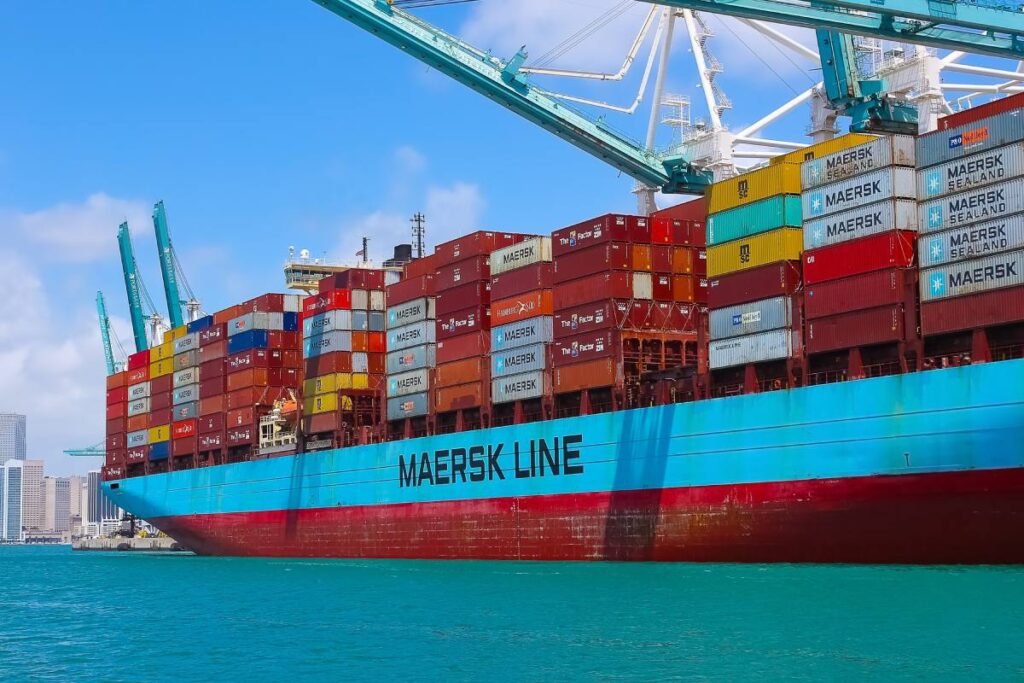
Maersk, one of the world's largest shippers, launched a new integrated cold chain solution to optimize the entry of regulated Chilean fruit into the United States. The model connects origin operations, maritime transport, destination fumigation, land logistics, and cold storage.
In a statement, the company explained that the initiative was developed jointly with fresh fruit supplier Oppy and the Port of Wilmington to solve one of the main challenges of perishable product logistics: limited fumigation capacity at the main ports of entry to the United States.
Importance for Chilean grapes
For Chilean table grapes, fumigation is a key phytosanitary requirement to enter the US market. Traditionally, this process is carried out at the origin or at highly congested ports, potentially causing delays, longer dwell times, and increased threat to fruit quality.
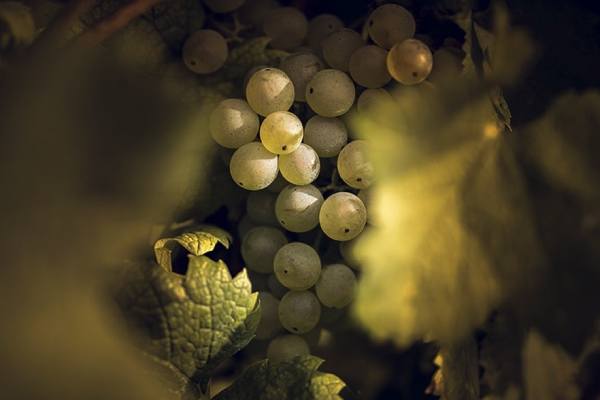
Image courtesy of Maersk.
With the new scheme, Maersk explained that fumigation is moved to the destination and integrated with the rest of the cold chain operations, reducing bottlenecks and improving logistical efficiency.
"This solution was designed end-to-end, from origin operations in Chile to delivery in the United States," said Le Harlin, Head of Growth Enablement and Cold Chain at Maersk North America.
The executive said that by coordinating maritime transport, port operations, fumigation, storage, and land logistics, the company can offer customers \“greater visibility and control, allowing them to move regulated products, especially grapes, more efficiently and at scale."
Tests during the season
The solution was developed through coordination between Maersk teams in Latin America and North America, in addition to joint work with regulatory authorities and port partners.
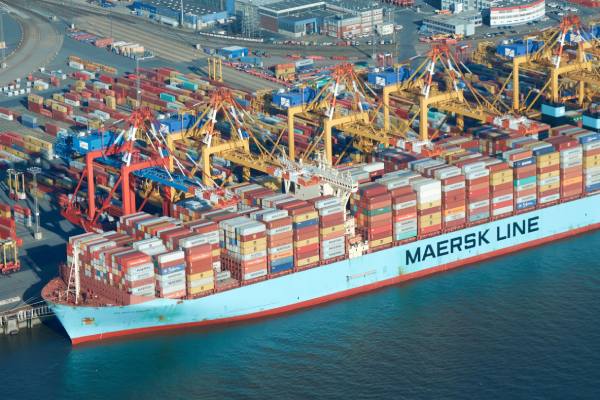
Over six months, the Port of Wilmington's fumigation capacity was expanded through new permits and improved infrastructure.
The model was tested during the 2026 Chilean table grape season, with weekly maritime services supported by destination fumigation and land distribution from Wilmington.
According to the company, the pilot allowed for accelerating the availability of the fruit and reducing transport costs compared to alternative routes, while also establishing a scalable model for future seasons.
Beyond grapes
Maersk said that the increased fumigation capacity will also allow the company to service other regulated products, including asparagus, blueberries, and citrus.
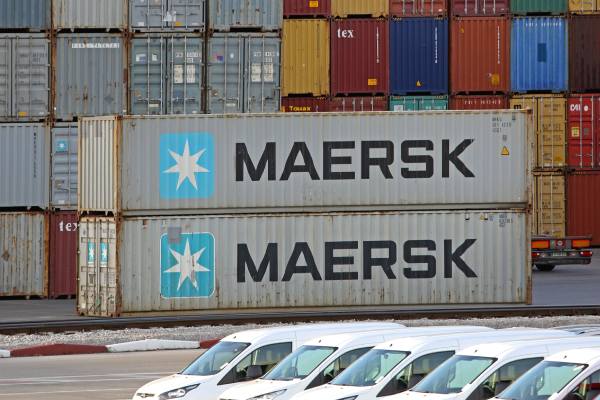
The company highlighted that the Port of Wilmington offers an alternative to the main ports on the US East Coast, facilitating access to the Mid-Atlantic and Southeast US markets, while contributing to the decongestion of other logistics centers.
*All images are referential via Shutterstock unless stated otherwise.
On August 12, 2026, Monticello Conference Center, in Santiago, Chile, will host a new edition of the Global Grape Convention.
Organized by Yentzen Group, Frutas de Chile, Provid, Global Grape Group, and Mexico Table Grapes, the event will bring together leading international experts in an unmissable day of strategic content, key trends, and high-level analysis to anticipate market challenges.
The convention is a unique platform to connect with buyers, distributors, exporters, and retail leaders, generating real business opportunities and strengthening networks in a highly specialized environment.
For more info, contact events@yentzengroup.com
Tickets available at globalgrapeconvention.com
Related stories
Maersk closes 2025 strong, signals steady container growth ahead
Shipping giant Maersk names Robert Erni as CFO, restructures regional leadership
Panama provisionally appoints Maersk to operate key Panama Canal ports