


Chile's strategic role in Wonderful Citrus' sourcing program
 Add Fresh Fruit Portal to Google
Chile plays a key part in the US citrus industry.
Lucas Achondo, Country Sales Sourcing Leader for citrus giant Wonderful Citrus, explained that the company’s vertically integrated operation in the country includes production fields, packing plants, logistics infrastructure, and import and export activities.
“Currently, Chile accounts for 54 percent of imports, followed by South Africa with 25 percent, Peru with 12 percent, Uruguay with five percent, and Argentina and Morocco with two percent each. Ecuador is beginning to join this structure as a complementary origin,” the executive noted.
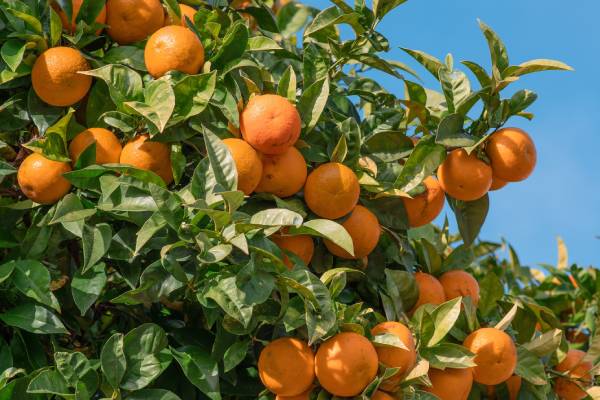
Image via Shutterstock
The Chilean share reflects crucial factors such as production consistency, quality, fruit condition, and logistical capacity developed over the years.
“The company is committed to maintaining Chile as a strategic partner to supply the United States market,” he said.
In Latin America, Peru has gained a lot of ground in recent years, becoming one of the world’s largest ag producers. However, Achondo said Peru is not Chile’s competitor but plays a complementary role, allowing a constant presence of fruit in American supermarkets. This, in turn, benefits the program as a whole by facilitating purchasing planning and shelf space allocation, and by leveraging sales continuity that is difficult for retailers.
To satisfy this need, exporters must move toward a more balanced supply from the beginning to the end of the season. This is especially important for mandarins, where volumes can concentrate in certain weeks and hinder sustained rotation.
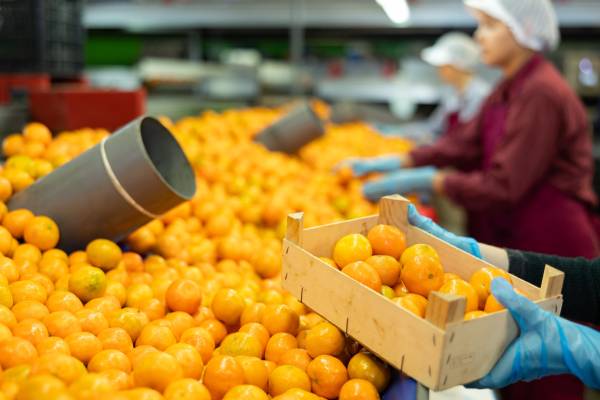
Image via Shutterstock
Citrus grown for the United States
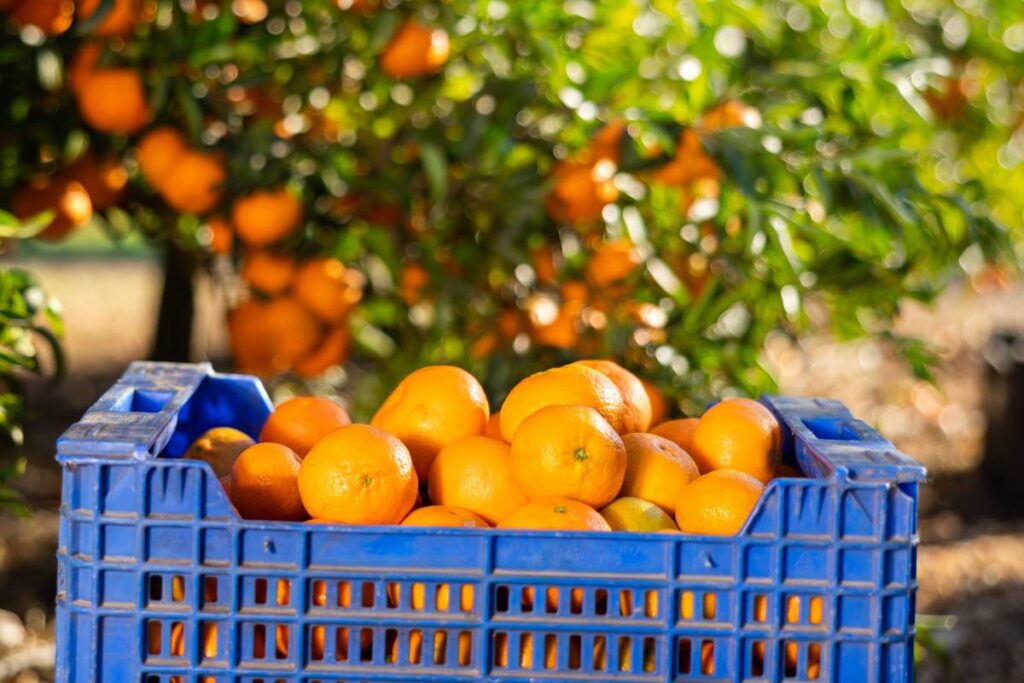
The US mandarin market favors sizes 1, 2, and 3, with a smaller share of size 4. Go higher than that, however, and you’ll start to have some problems, which is why Wonderful Citrus practically does not work with size 5 during its domestic season.
“This reality represents a challenge for Chile, considering that sizes 4 and 5 can represent between 30 percent and 35 percent of production volume,” Achondo noted.
To concentrate volumes on more commercially attractive sizes, the company is working on supply right from the field to improve size distribution and adapt offerings to the destination market's preferences.
In the United States, Achondo explained that a well-established consumer culture around seedless mandarins makes it difficult to change consumer expectations between domestic and import seasons.

Image via Shutterstock
In this scenario, continuity of supply, condition, and fruit characteristics are essential to sustain its presence on store shelves.
In the case of lemons, the executive said both Chile and Peru have supplied the U.S. market during certain periods.
“Even when prices drop, demand does not necessarily react positively,” he explained. “This situation forces the industry to review its commercial and production strategies, considering that the market has absorption limits and that sending larger volumes does not guarantee better economic results.”
Challenges and opportunities for Chilean citrus
Among the advantages of the Chilean citrus industry, Achondo valued market diversification, the search for early varieties, and the development of higher value-added categories.
On the other hand, according to the Wonderful Citrus executive, the industry depends heavily on the US market, making it necessary to expand commercial alternatives and reduce exposure for producers and exporters. In that context, he mentioned Mexico as an attractive alternative market and highlighted China's potential for future development.
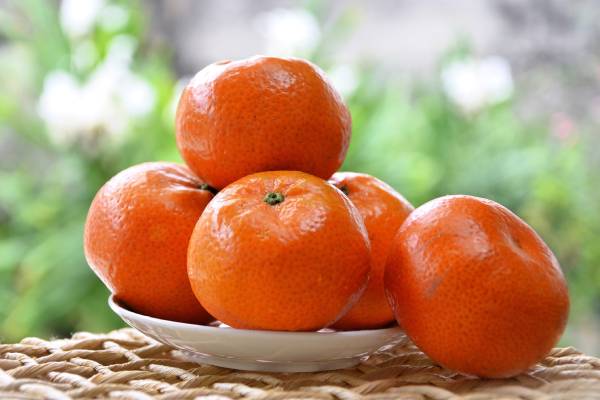
Image via Shutterstock
On variety offerings, Achondo urged Chilean producers to evaluate early mandarin projects, particularly for June and July.
“It is not convenient to concentrate production in August and September if the market needs fruit from the first weeks of the season,” he said.
Opening the commercial window would allow the company to reach the coveted goal of continuous year-round supply, better taking advantage of retail sales momentum.
“We do not seek only to generate business during the months when local production is absent, but to ensure a continuous presence for the company in the market across all 52 weeks of the year,” he concluded.
*All images via Shutterstock
Related stories
Low US volumes open the door to a promising Chilean citrus season
Wonderful Halos and Blippi team up to make healthy snacking more fun for families this school year