Hapag-Lloyd to acquire 25 percent stake in APM Terminals Maasvlakte II B.V. in Rotterdam
 Add Fresh Fruit Portal to Google
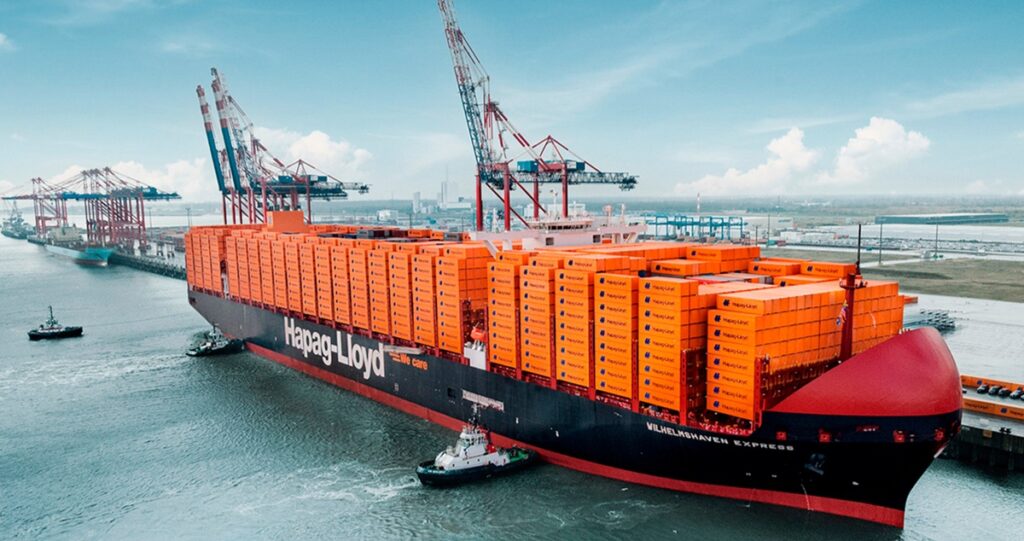
Hapag-Lloyd has entered an agreement to acquire a 25 percent stake in APM Terminals Maasvlakte II B.V. in Rotterdam, Netherlands. The move seeks to secure long-term automated handling capacity and strengthen port infrastructure, the firm shared on its website.
The agreement calls for Hapag-Lloyd and APM Terminals to work jointly on terminal development, capacity expansion, and operational performance improvements. APM Terminals will retain operational control.
The investment also reinforces the strategic role of Maasvlakte II within the Gemini Cooperation, the alliance between Hapag-Lloyd and A.P. Moller-Maersk.
“With the planned investment in Rotterdam, we will further enhance the efficiency and reliability of our network. The terminal is a key element for the Gemini Cooperation and fits well with our strategy to build a stronger terminal portfolio in core markets,” said Dheeraj Bhatia, CTIO of Hapag-Lloyd AG and CEO of Hanseatic Global Terminals (HGT).
Capacity expansion at Maasvlakte II
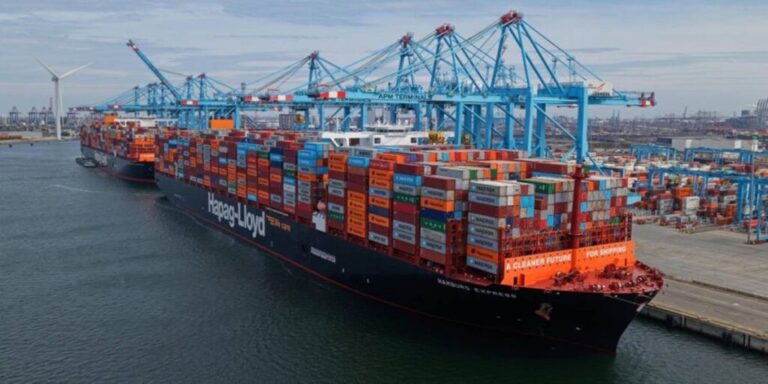
Maasvlakte II has been operating since 2015 and is currently undergoing a major expansion to consolidate as one of Europe's main gateways.
The project includes an additional 3,280 feet of quay wall for ocean-going vessels, bringing total length to 6,560 feet. It also includes expanded yard storage capacity, four additional rail tracks, automated terminal tractors (ATT), and other automated equipment.
Once the acquisition is finalized, the terminal will have an annual handling capacity of up to 5.4 million TEUs.
According to APM Terminals, the expansion aims to increase the operational resilience of Maasvlakte II and enable it to respond to growing cargo flows passing through Rotterdam.
Keith Svendsen, CEO of APM Terminals, said Hapag-Lloyd's investment represents a vote of confidence in infrastructure considered critical for both the Gemini network and the Port of Rotterdam.
“Our ambition is to make Maasvlakte II the best terminal in Northern Europe for every customer calling it. That means improving safety, quality, delivery and cost, in that order, while expanding deep-sea berth and TEU capacity to support customer growth over the decades this asset will operate,” he said.
The companies have agreed not to disclose the financial terms of the transaction. The deal’s completion remains subject to approval by the relevant authorities and regulatory bodies.
Related stories