



Indoor farming market to grow over 100 percent by 2032
 Add Fresh Fruit Portal to Google
The indoor farming market is on track to double in value by 2032, according to a recent report by Strategic Market Research. The segment was valued at approximately $42 billion in 2025 and is projected to approach $86 billion by 2032, at a compound annual growth rate of nearly 11 percent.
Demand for year-round availability, localized production, automation, and more predictable yields is supporting the expansion, the assessment notes.
Commercial indoor farming spearheads expansion
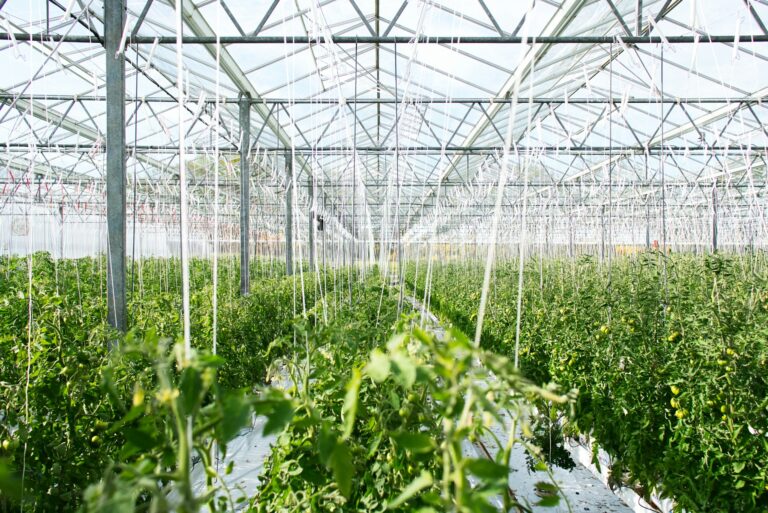
Controlled-environment agriculture operations increased from 1,476 in 2009 to 2,994 in 2019, while production volume rose 56 percent to 7.86 million hundredweight, according to US Department of Agriculture data cited by Strategic Market Research.
Commercial growers accounted for approximately 65 percent in 2025, representing an estimated $27 billion, the report notes. Research institutes represented another 20 percent, valued at approximately $8.4 billion.
Tomatoes, lettuce, and cucumbers accounted for between 60 and 70 percent of production during the period, while hydroponics remained the most widely used cultivation method.
In 2025, leafy greens generated approximately 40 percent of indoor farming revenue, valued at nearly $17 billion. This is because lettuce, spinach, and kale benefit from short production cycles, standardized growing practices, and established retail channels, the firm states.
Herbs accounted for approximately 25 percent of revenue, or nearly $10.5 billion. Basil, mint, and cilantro can generate higher revenue per unit of growing space than some commodity vegetables, making them attractive to operators working with limited capacity.
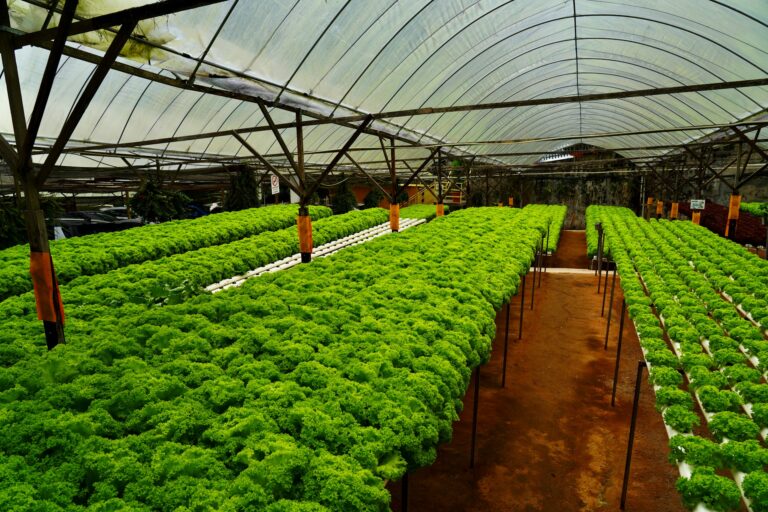
The intelligence firm said hydroponics generated approximately $21 billion, or 50 percent, of indoor farming market revenue in 2025. Its use across greenhouses and multilayer farms, along with established applications in leafy greens, herbs, tomatoes, and cucumbers, supports its position as the leading production system.
Vertical farming accounted for approximately 30 percent of the market, or nearly $12.6 billion, and is projected to grow at an 11 percent CAGR through 2032. Aeroponics represented about 12 percent, or $5 billion, while aquaponics accounted for about eight percent, or nearly $3.4 billion.
North America remains the largest market
North America accounted for approximately 40 percent of global indoor farming market revenue in 2025, supported by established greenhouse operators, agricultural technology suppliers, retailer relationships and private investment, Strategic Market Research said.
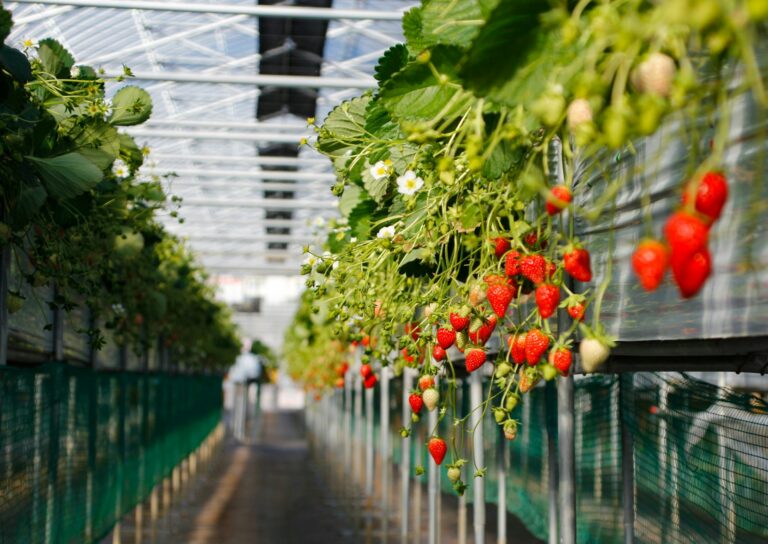
The United States remains the region's largest market, with indoor farms increasingly located near major population centers and grocery distribution networks.
However, Asia Pacific is expected to expand rapidly as major cities seek more reliable food production and countries with limited agricultural land invest in hydroponics, smart greenhouses and plant-factory technologies. Europe remains an important technology market because of its established greenhouse sector, automation capabilities and fresh-produce retail infrastructure.
*Images are referential via Unsplash.
Related stories
Middle East invests in indoor farming as import dependence drives CEA growth