Citrus greening disease hits its lowest spread rate in the last nine years in Brazil
 Add Fresh Fruit Portal to Google
Citrus greening disease (HLB) has hit nearly half of Brazil’s commercial orange trees, but the pest’s progression has slowed in the past few years, says the country’s industry body Fundecitrus.
In its 2026 report, the organization said HLB incidence rose by nearly one percentage point year over year, reaching 48 percent in the citrus belt of São Paulo and the Triângulo/Sudoeste Mineiro.
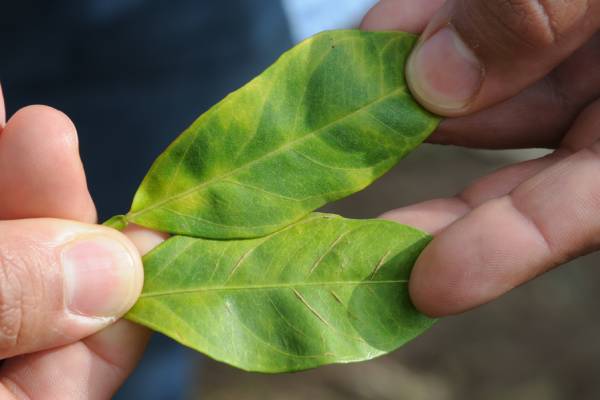
The good news is that this increase was only 0.45 percentage points, versus the 3.28 points recorded in 2025. This is the lowest progression rate in the last nine years, confirming the HLB slowdown trend in the region.
There are several factors underpinning this positive result, Fundecitrus said, including improved psyllid control and favorable weather conditions hindering the transmission of the citrus greening bacteria.
The strategy of renewing citrus orchards, which entails eliminating plants and orchards in regions with higher incidence and increasing planting in lower-risk areas, has also contributed.
Lower incidence, more severe
Despite the positive trend, citrus greening severity continues to increase, going from an average of nearly 26 percent to 31 percent in producing orchards.
“The increase in plants in a very serious stage is mainly related to the low eradication rate of diseased plants in older orchards,” explains Fundecitrus researcher Renato Bassanezi. “The persistence of these plants favors a reduction in the number of fruit per tree and an increase in premature fruit drop.”
Meanwhile, the proportion of diseased plants with symptoms in less than half of their canopy fell from 25 percent to nearly 20 percent, reflecting a lower transmission rate to new plants and the elimination of young diseased plants.
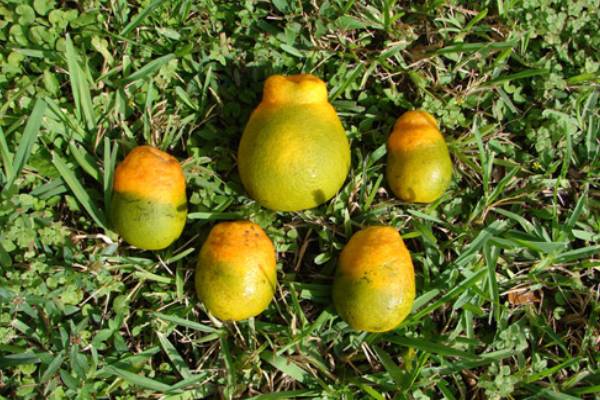
The regions with the highest incidence of citrus greening were also the hardest hit. The average severity in the Limeira region reached nearly 55 percent, while in the Triângulo Mineiro region it was only 0.04 percent.
The citrus greening battle continues
The organization said the stabilization of citrus greening incidence shows that management efforts are working, but that doesn’t make the malady less of a problem for the Brazilian citrus sector.
“We cannot consider the war against citrus greening won,” said Juliano Ayres, executive director of Fundecitrus. “The continued rigorous control of the psyllid and the elimination of diseased plants is fundamental to reducing the incidence and, especially, the impact of citrus greening in the medium term.”
The period of intense bud break in orange trees in the second half of the year should be on the citrus grower's radar, as the increased availability of buds favors psyllid populations.
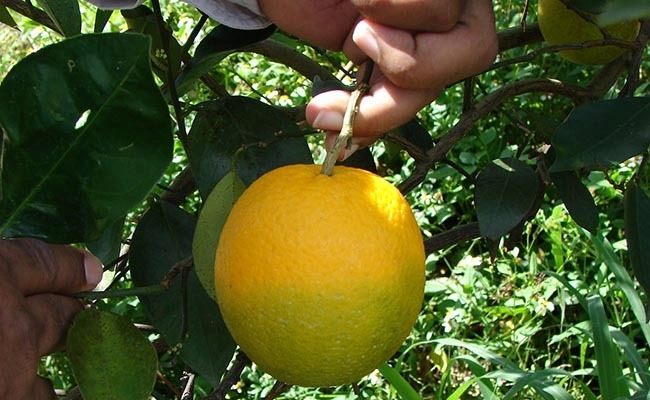
In August, for example, the average number of insects captured per trap already exceeds 6.22, the highest of the year. The increase in the psyllid population in orchards raises a warning flag for the entire citrus industry.
"It is extremely important that citrus growers double their care and rigor in controlling citrus greening so that, next year, we can further reduce the progression of the disease and prevent a new upward trend," he concludes.
*All images courtesy of USDA | Archive
Related stories
Brazilian citrus crop to fall 13 percent during 2026/27 season
Citrus greening confirmed for the first time in Arizona, Nogales area quarantined
Breakthrough CRISPR rootstock offers hope against deadly citrus greening