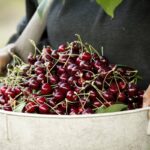
South African cherries break into the Chinese market for the first time

 Add Fresh Fruit Portal to Google
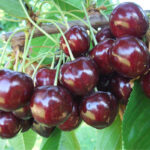
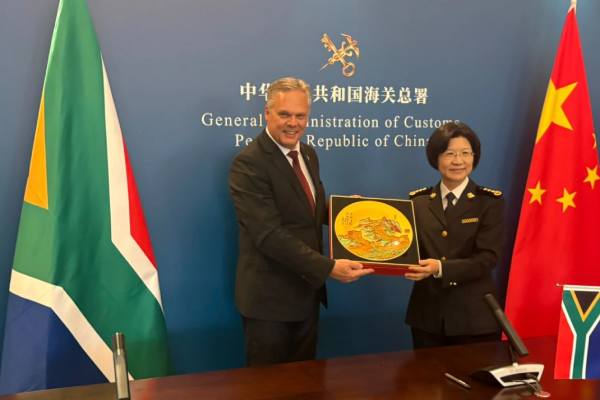
South Africa made a new significant stride in the expansion of its fruit exports by signing a phytosanitary protocol granting local cherries market access to China.
At the signing held in Beijing, South African Minister of Agriculture, Wille Aucamp, emphasized the historic nature of this milestone, as it is the first time that the African country has signed two access protocols to the Chinese market in a single year.
“We greatly value China's efforts to fast-track our access applications for South African agricultural products,” the minister stated.
China, a strategic market for cherries
The deal acquires special significance due to the sheer size of the cherry market in China. In 2025, the Asian giant imported nearly 586,900 metric tons of the fruit, valued at approximately $3.3 billion.
South African leading grower and distributor Tru-Cape celebrated the announcement by the local government, emphasizing the competitive advantage granted by an early entrance to the Chinese market.
“There is clearly strong demand for cherries in China, and the market presents an exciting opportunity for South African growers, particularly because our season gives us the potential to supply fruit early, before Chilean volumes reach the market in significant quantities,” says Roelf Pienaar, managing director of Tru-Cape Fruit Marketing.
The company noted that big-sized fruit, which drives a premium in China, could be a challenge for South African growers, but that the impeccable eating quality of local cherries might play in their favor and make up for smaller callibres.
According to Aucamp, the protocol confirms the countries’ commitment to expand and diversify agricultural trade within the Economic Partnership Framework Agreement for Shared Development, which provides for zero-tariff access to China for South African products.
The minister also held a meeting with his Chinese counterpart for Agriculture and Rural Affairs, Zhang Zhu, where both parties reaffirmed their intention to continue making progress on biosecurity issues and new market access opportunities.
Blueberries, the next objective
Meanwhile, South Africa seeks to advance the opening of the Chinese market for its blueberries, and is now analyzing a first draft protocol submitted by the Asian giant.
Aucamp requested expediting the coordination and negotiations to finalize the protocol before the end of the year.

Pretoria expects the opening of the cherry market will also stimulate new investments in production and create around 600 jobs, in line with its inclusive economic growth strategy.
*Lead photo National Department of Agriculture via LinkedIn.
Related stories
The South African cherry industry expands and aims to double production in five years
Southern hemisphere cherries are missing out on a $800 million opportunity