Zespri invests in the development of biocontrol against devastating kiwifruit disease

 Add Fresh Fruit Portal to Google
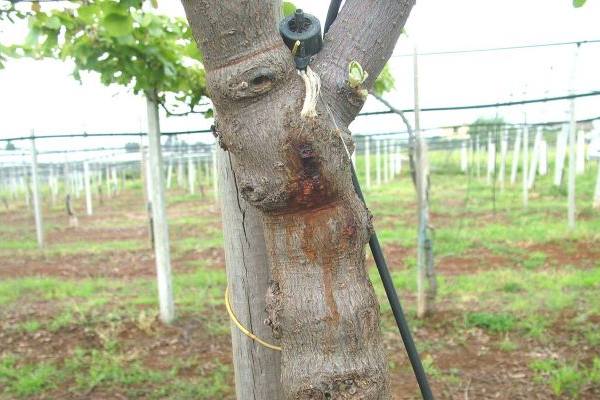
Global produce leader Zespri is joining the battle against Pseudomonas syringae pv. Actinidiae (PsaV), also known as bacterial canker, a devastating pathogen that, according to the John Innes Centre in England, has infected the majority of the kiwifruit plants in New Zealand.
Labeled by the literature as the “most significant limiting factor in kiwifruit production. The pathogen affects several important crops worldwide, but in kiwifruit, it causes a bacterial canker that can quickly lead to plant death.

In association with the plant science research center in the UK, the company is developing new biocontrol approaches to fight the pathogen using naturally occurring Pseudomonas bacteria. Positive results from this partnership would effectively help protect Aotearoa’s biggest horticultural export from a particularly aggressive PsaV strain that entered the country in 2008 and threatens an industry projected to reach a $4.8 billion valuation in the next 10 years.
In 2017, economic losses from the 2008 PsaV outbreak were valued at NZ $2 billion.
According to the research team at the John Innes Centre, PsaV control methods rely on “ecologically damaging” chemicals such as copper and antibiotics. Moreover, new strains are developing resistance to known treatments, making the search for alternatives not only critical but a true race against time.
“If we don’t come up with ways to treat kiwifruit vines infected, New Zealand will lose a massive chunk of its agricultural exports,” warns Jacob Malone, molecular microbiologist at the John Innes Centre, and group leader behind the research efforts against PsaV.
A long-term partnership for the wellbeing of kiwifruit
The collaboration between Zespri and the research center is ongoing and has had its first win: isolating the kiwifruit-associated Pseudomonas bacteria.
As this bacterial family is vast, with some strains actually beneficial to plant health, the team aims to identify strains that can effectively fight back against PsaV infection and use this knowledge to develop novel anti-PsaV treatments.
“I hope we identify something that they are willing to test in the field, something that does a reasonable job of slowing the pathogen,” Malone added.
According to the John Innes Centre, Zespri has been “very supportive” of this effort and has committed funding for the project. If this study goes well, they say, the hope is that the company, the biggest kiwifruit marketer in the world, will continue working with the experts in the UK to realize a sustainable solution for global kiwifruit production.
*All images courtesy of Zespri, unless stated otherwise.
Related stories
Zespri develops its first self-pollinating green kiwifruit variety
Zespri reports record $3.45 billion sales revenue for 2025 season