Chilean kiwifruit: Expanding planted area, better prices, and the challenge of winning over the consumer

 Add Fresh Fruit Portal to Google
Written and reported by Macarena Bravo.
They say agriculture is cyclical, and Chilean kiwifruit is a great example. Since the pandemic, the sector has been through one of its best moments in recent decades, with rising prices and growing international demand that has reignited the interest of local growers in the category.
Iván Muñoz, field agronomist from the technical department of grower and distributor FRUSAN, spoke at Fruittrade 2026 in Santiago, Chile, where he noted the sector is celebrating a true renaissance.
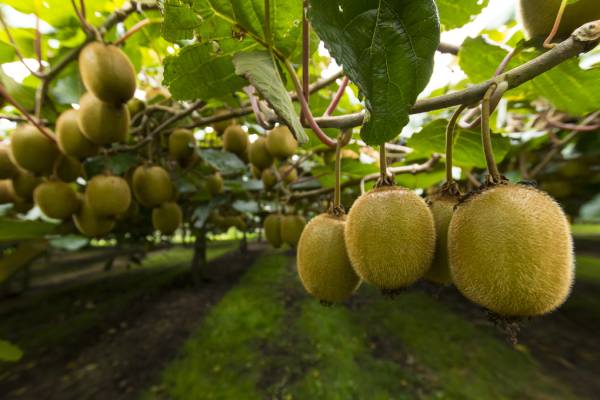
Image by Shutterstock
However, this tide change does not mean the industry can relax, as the expert argued that the current price point for the fruit should be leveraged to prepare for when supply increases significantly.
Projection of growth in productive supply
Over recent years, nearly 2,500 new acres of kiwifruit have been planted annually in Chile, although the figure could be even higher considering the contribution of smaller-scale growers.
If this trend continues, the Andean country could reach between 32,000 and 37,000 planted acres by 2030. For Muñoz, the equation is clear: as acreage and productivity increase, the market will have to keep up with the pace.
Fortunately, international markets are giving the sector favorable signs.
“Global demand for kiwifruit continues to grow, and consumption associated with its nutritional attributes has opened up opportunities in countries like India,” he said. “New Zealand has played a key role in this development, driving consumption and positioning kiwifruit as a fruit associated with a high-quality experience.”
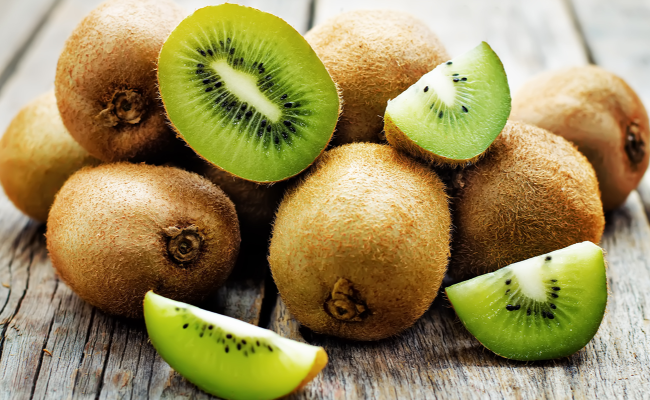
Image by Shutterstock
New Zealand is a competitor and a benchmark
The Oceanic country’s position in the market has also benefited its competitor in Latin America. New Zealand has focused on yellow varieties, while Chile maintains a significant footprint in green kiwifruit, which, Muñoz said, has allowed the country to occupy spaces that other producers have left behind.
However, the situation also requires the continuous monitoring of the kiwi industry’s advances and developments. And that’s not the only competitor Chile must keep an eye on, as China is currently the world's leading kiwifruit producer. The Asian Giant’s position in the global market, however, is often overlooked, as most of its kiwifruit production is destined to meet domestic demand. But if table grapes are any example of just how much China can change global market dynamics, Chile should prepare for the Asian country to potentially expand its export footprint.
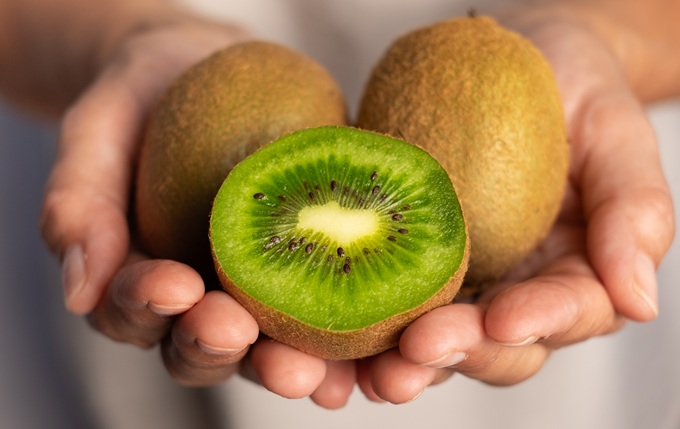
Image by Shutterstock
Although the industry is in a positive phase, Muñoz raised concerns about producer optimism, especially about attempts to maximize production without considering the sector’s true capacity.
“An orchard can reach high yields for one or two years, but if it is overexploited, it can take several years to recover its productive potential,” he noted.
The objective, by contrast, should be to maintain stable production and fruit that can be sold, stored, and reach the consumer in good condition: “There are older orchards that continue to show good production levels, proving that a well-managed kiwifruit orchard can remain economically viable for decades.”
Favorable market conditions have led not only to growing volumes, but also to a wider range of sizes, which Muñoz explained has broadened Chile’s portfolio abroad. However, the expert doubled down on his call for the industry to bet on long-term benefits, which, according to him, go hand in hand with quality and the sector’s resilience in the long haul.
The next frontier for Chilean kiwifruit
India stands out as one of the most interesting markets for Chilean kiwifruit in Asia. However, tariff barriers and requirements remain a hurdle to the Andean country’s competitiveness. The industry is working on this, Muñoz said, as local authorities develop phytosanitary protocols and commercial conditions to prevent increased supply from pressuring grower returns.
Meanwhile, Europe continues to be a key destination, while Latin America and North America are part of the diversification strategy. China, for its part, has been a difficult market to develop for Chilean kiwifruit, partly due to strong competition from New Zealand.
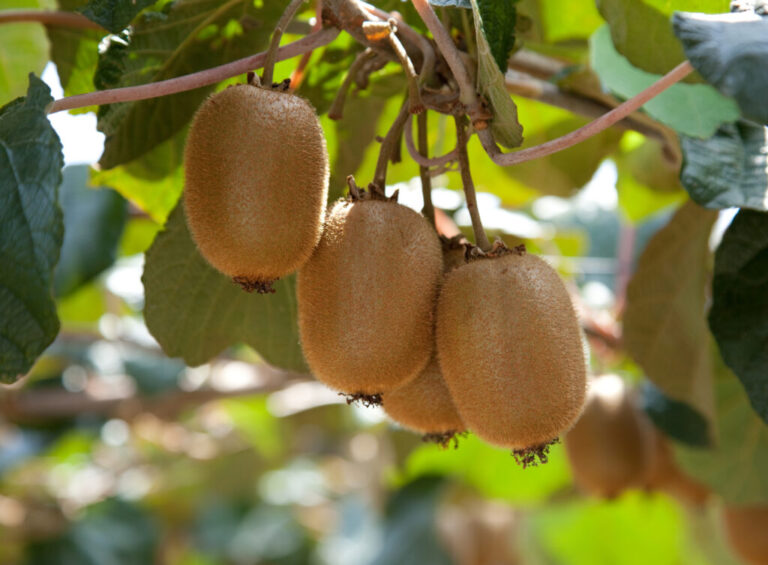
Image Shutterstock
Muñoz explained that cold storage is a strategic tool. High-quality kiwifruit can remain there for several months, allowing supply to be distributed and reach Northern Hemisphere markets later.
For the Frusan expert, the message is clear: sector growth will require a coordinated strategy among stakeholders, with a shared vision regarding the future of Chilean kiwifruit: “The current cycle should be understood as an opportunity to prepare—not as a signal to drop our guard.”
*All images are referential.
Related stories
Chilean kiwifruit expansion calls for a strategic overhaul. Here’s how to do it.
Dulcis kiwifruit unveils new brand tagline at Fruit Attraction amid growing volume outlook