Jujube: The “Chinese date” seeking to conquer new markets
 Add Fresh Fruit Portal to Google
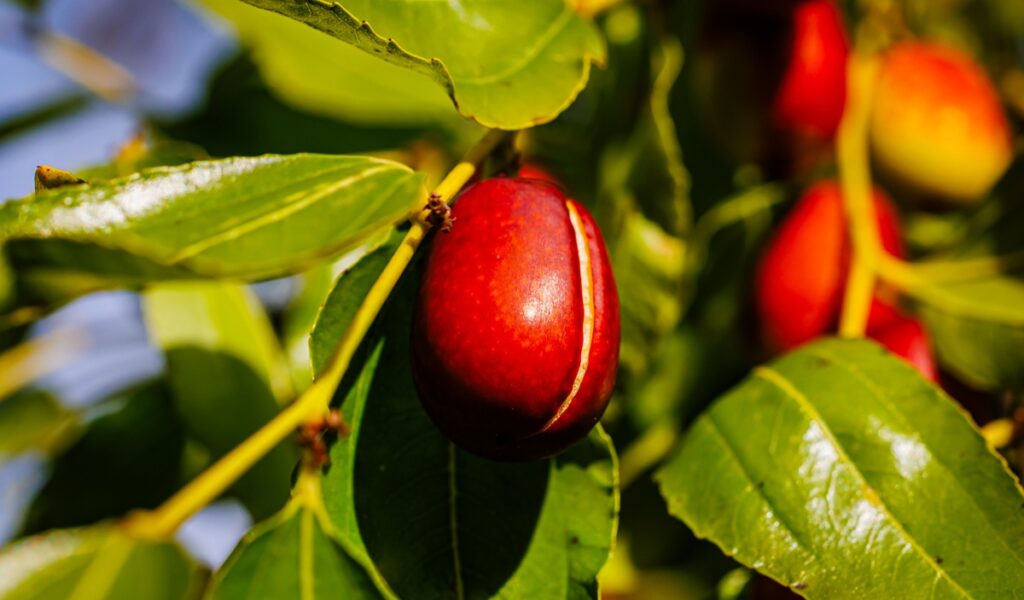
The jujube, also known as the Chinese date or red date, is the fruit of the Ziziphus jujuba tree, a species native to Asia that has been cultivated in China for thousands of years. While it remains a staple in traditional Asian diets, growing international interest is introducing this ancient superfruit to new global markets and a whole new consumer base.
Data from Growth Market Reports indicates that the global jujube market reached $1.82 billion in 2024. It is projected to grow at a compound annual growth rate (CAGR) of 6.7 percent from 2025 to 2033, expanding to approximately $3.22 billion by the end of the forecast period.
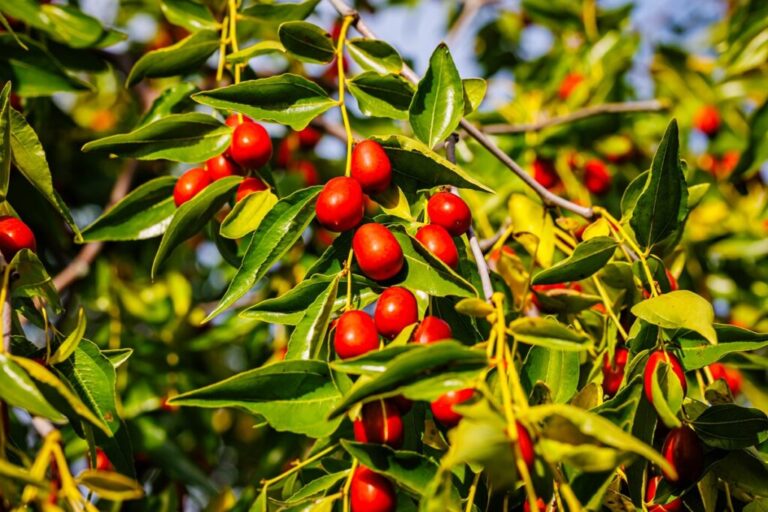
Image by Shutterstock
Analysts attribute this market expansion to rising consumer demand for natural, functional foods and the broader application of jujube extracts in beverages, nutraceuticals, pharmaceuticals, and cosmetics.
Another targeted segment study by the same market research firm, focusing strictly on Ziziphus jujuba, valued the market at $1.42 billion in 2024 and projected it to reach $2.45 billion by 2033.
Jujube trees can grow up to 50 feet, though size and shape depend heavily on cultivars and local growing conditions. Characterized by slightly drooping branches that occasionally feature thorns, jujube trees adapt exceptionally well to warm, dry climates, showing remarkable drought tolerance in marginal soils.
Although the species thrives across diverse soil types and copes well with low fertility, salinity, and drought, commercial growers must implement proper irrigation and agronomic management to maximize crop yields.
One fruit, multiple formats
The fruit’s texture and color evolve as it ripens: it begins crisp and green with a flavor similar to a fresh apple, before maturing into a wrinkled, reddish-brown fruit resembling a conventional date. Today, jujubes can be enjoyed fresh, dried, or processed into various products.
Dried jujubes retain a dominant market share as ready-to-eat snacks and culinary ingredients, while powdered forms integrate easily into functional food formulations and dietary supplements.

Image by Shutterstock
High levels of vitamin C, polysaccharides, flavonoids, and bioactive compounds have positioned jujubes as a compelling ingredient in the functional food sector, driving continued scientific research into their nutritional profile and health properties.
These nutritional benefits have spurred widespread adoption across commercial product lines, including healthy snacks, baked goods, functional teas, yogurts, and fruit spreads.
Additionally, the global shift toward plant-based diets presents key opportunities for manufacturers to incorporate jujube as a natural sweetener and ingredient in clean-label formulations.
Challenges to the expansion of the jujube market
Despite favorable growth metrics, the sector faces lingering obstacles, such as product perishability, inconsistent postharvest quality standards, high processing costs, and low brand awareness in Western consumer markets.
A primary bottleneck in commercializing fresh jujubes is their short shelf life, making cold-chain management, advanced packaging, and efficient transportation infrastructure essential for long-distance market entry.
To mitigate postharvest losses and expand commercial opportunities, processors are increasingly converting jujubes into value-added products, including powders, juices, teas, jams, and concentrated pastes.
Rigorous quality control during storage and international transit will remain vital for producers seeking to scale export footprints successfully.
Moreover, marketing health-oriented products requires navigating regulatory frameworks, separating verified nutritional facts from unsubstantiated therapeutic claims. Continued clinical research will be essential to substantiate functional benefit claims.
Looking ahead, combining steady traditional demand with the global appetite for functional, clean-label ingredients presents lucrative opportunities for growers, processors, and supply chain operators alike.
To capture a share of this projected $3.22 billion market by 2033, industry stakeholders must focus on product innovation, supply chain traceability, sustainable sourcing practices, and diversified convenience formats.
*Images are referential via Shutterstock.
Related stories
Natural Delights boosts date production with weather-powered crop gains