



Blueberry compound may help curb fat buildup in muscle cells
 Add Fresh Fruit Portal to Google
Already a fan favorite, blueberries may have yet another trick up their sleeve. Food science researchers at Shinshu University, in Nagano, Japan, identified a naturally present compound that could help muscle cells break down stored fat, Science Daily reports.
The substance, pterostilbene, promoted lipid breakdown and increased the activity of genes associated with fatty acid oxidation in laboratory-cultured mouse muscle cells. The findings were published in July in the journal Food Bioscience.
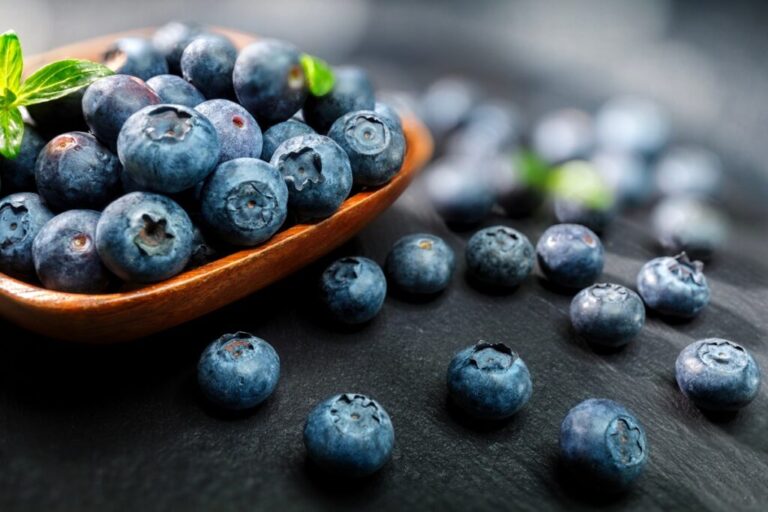
Image by Shutterstock
Pterostilbene is a polyphenol found in blueberries, grapes, and other berries. The researchers said the findings could support further investigation into food-derived compounds for functional foods or nutritional ingredients targeting muscle fat metabolism.
Another blueberry benefit
Led by Associate Professor Takakazu Mitani, the research team found that pterostilbene targets PPARδ, a protein that regulates fatty acid metabolism.
Unlike compounds that directly activate PPARδ, pterostilbene appears to prevent the protein from breaking down, increasing the amount available inside cells. Shinshu University said the resulting increase in PPARδ activity promoted genes involved in lipid metabolism.
The treated cells subsequently showed a greater capacity to break down stored fat and use fatty acids.

Image by Shutterstock
The study also found that pterostilbene reduced fat accumulation inside the cultured muscle cells without disrupting normal cell growth or differentiation.
The research comes as interest grows in bioactive compounds found in fruits and berries and their potential links to metabolic functions. However, the study used cultured mouse muscle cells, and the results do not establish that eating whole blueberries or consuming pterostilbene would produce the same effects in humans.
The researchers plan to investigate whether the mechanism can be reproduced in animal models and if it could be associated with improved fat metabolism and insulin sensitivity.
*Images are referential via Shutterstock.
Related stories
High vitamin C levels may improve brain health in aging adults, study says