


Colombian banana sector faces 20 percent productivity drop
 Add Fresh Fruit Portal to Google
Writing and reporting by Macarena Bravo. | Lee esta noticia en Español.
Colombian banana growers are facing an increasingly difficult scenario. Climate impacts, rising production costs, and unfavorable exchange rates are squeezing margins in an industry that supports more than 200,000 direct jobs.
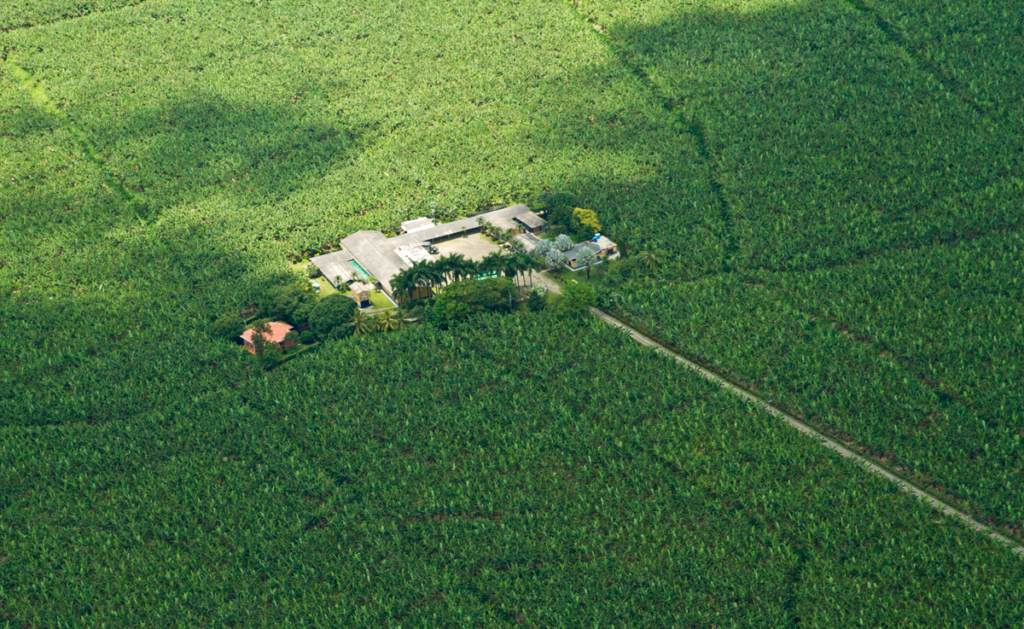
The Association of Banana Growers of Colombia (AUGURA) and the Association of Banana Growers of Magdalena and La Guajira (ASBAMA) said in a joint release that flooding in 2026 has affected more than 2,965 acres of bananas, and severe windstorms have damaged over 7,413 acres.
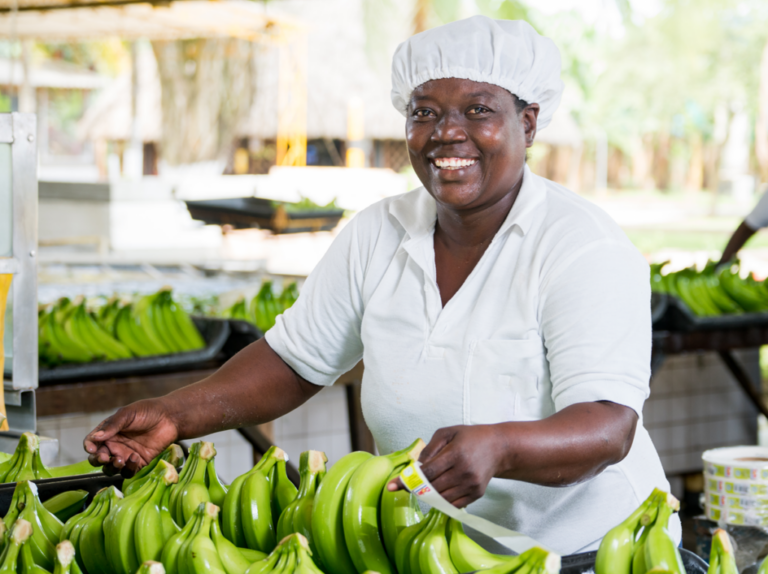
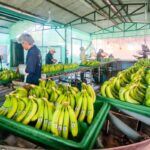
Photo by AUGURA | Archive.
As a result, they estimate productivity could drop by nearly 20 percent. The bleak forecast has prompted industry leaders to demand fairer prices, as the sector has continued efforts to increase yields and maintain sustainable practices.
Europe is the Colombian banana industry’s largest trading partner, taking approximately 60 to 70 percent of shipments.
El Niño adds pressure on production
Weather forecasts have also heightened concern for the coming months. Colombia's Institute of Hydrology, Meteorology, and Environmental Studies (IDEAM) has warned of a strengthening El Niño phenomenon, assigning a 75 percent probability that it will reach an intensity unseen in recent decades.
For the banana sector, lower rainfall and heightened water stress could increase uncertainty about production levels and drive up operational costs.
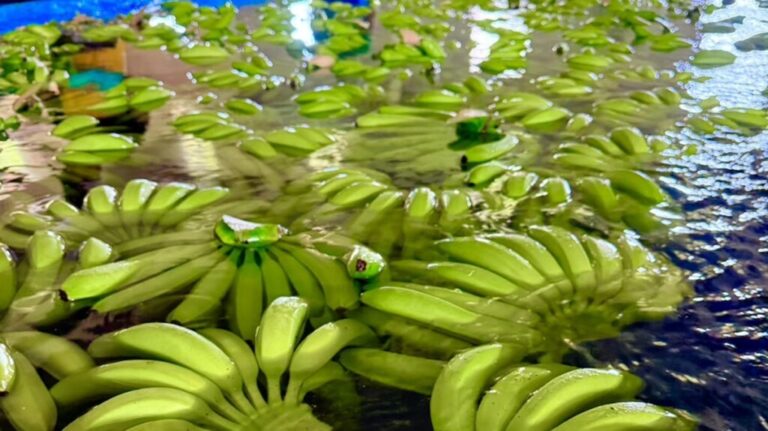
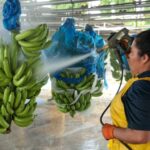
Photo by ASBAMA | Archive.
These factors are especially alarming to AUGURA and ASBAMA because they could undermine the economic and social sustainability of growing regions.
“We are asking the European supply chain to ensure this model is also economically sustainable. We cannot keep absorbing costs without moving toward shared responsibility among all market actors,” stated AUGURA Executive President Emerson Aguirre.
Sustainability comes with higher costs
Industry representatives emphasized that they are not questioning the European market's demands and remain committed to sustainability, formal employment, and environmental protection. However, they maintain that these requirements must account for growers' financial capacity to fund them.
“What is at stake is not simply how much it costs to produce a box of bananas. What is at stake is what kind of supply chain we want to build for the coming years and how committed Europe truly is to preserving a model that generates formal employment, protects the environment, and sustains entire communities in our territories,” noted ASBAMA Executive President José Francisco Zúñiga in the release.
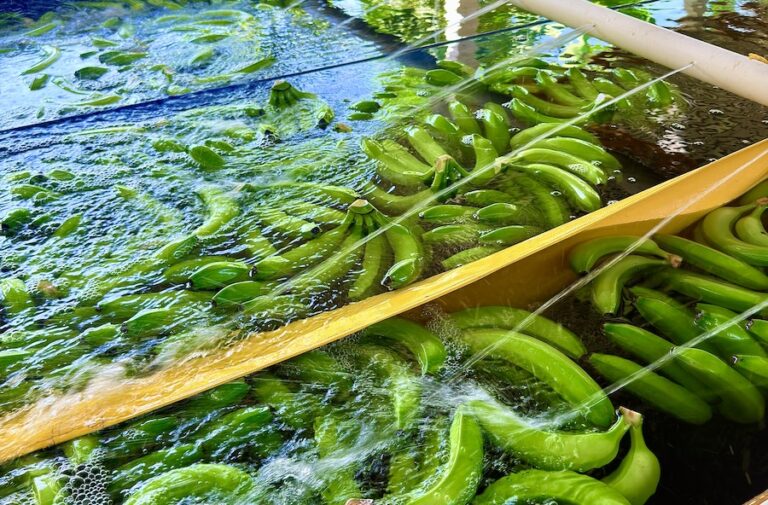
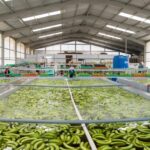
Photo by ASBAMA | Archive.
Zúñiga added that Colombia seeks to remain a reliable supplier of sustainable bananas for Europe, but argued that the relationship must evolve into a model where the fruit's value reflects the investments and risks growers assume.
“A sustainable banana cannot be sustainable on the farm alone: it has to be sustainable along the entire supply chain,” he concluded.
Related stories
Colombian bananas grapple with low production and weakening prices