


Incoming water cuts put pressure on South African export season
 Add Fresh Fruit Portal to Google
South Africa’s Western Cape faces a worsening water crisis, with major grower associations raising concerns as the fruit sector enters a critical production phase.
New government regulations are set to reduce agricultural irrigation allocations by 15 percent, Nova News reported. The move could intensify pressure on an already challenging operating environment.
Announced on November 16 by Water and Sanitation Minister Pemmy Majodina, these cutbacks follow below-average rainfall and declining dam levels across the province. In addition, domestic and industrial bulk water allocations will decrease by seven percent. The restrictions will take effect upon official publication in the government gazette, which is expected on December 1, with specific quota limits to follow.

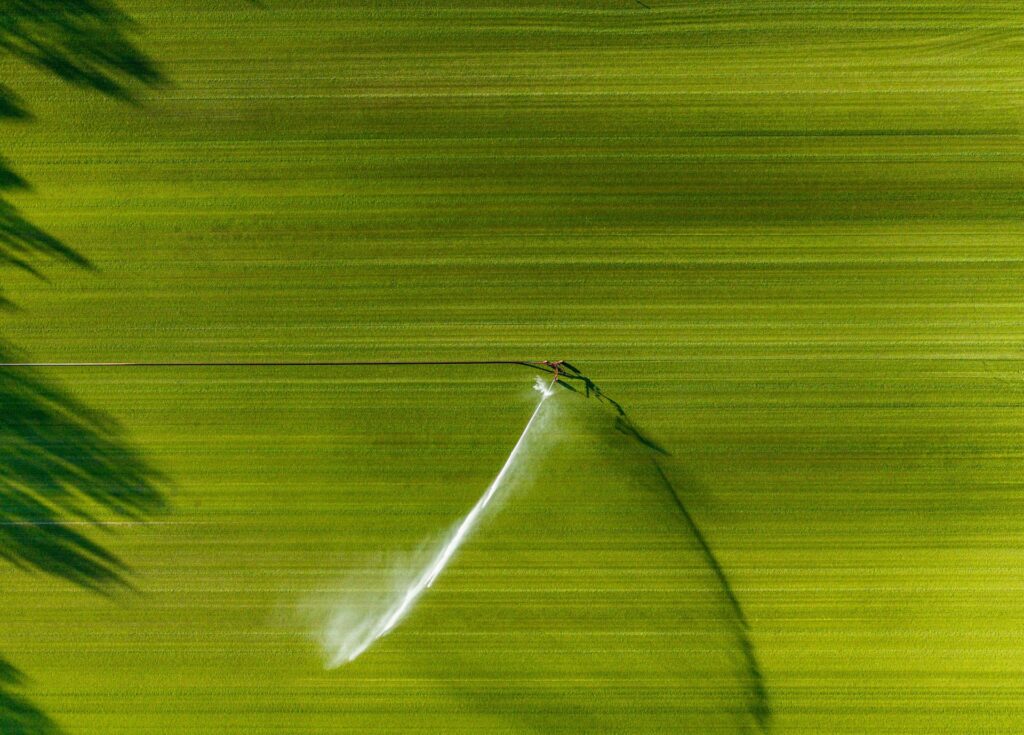
Photo by Sylvester Sabo via Unsplash.
The measures stem from the Department of Water and Sanitation’s annual assessment of the Western Cape Water Supply System for the 2026/27 hydrological year. As of November 2, total dam storage dropped to 73 percent, compared to 84 percent at the same time last year—well below the target operational threshold of 80 percent.
According to department figures, rainfall for the 2024/25 and 2025/26 seasons reached only 29 and 30 inches, respectively, against a historic average of 38 inches.
While the system remains operationally stable, officials stated that reductions are necessary to safeguard strategic reserves and minimize the risk of severe future shortages. Combined, the cutbacks amount to roughly 57 million cubic meters annually, representing about 11 percent of total system allocations.
Table grape and citrus growers face production challenges
The timing of these water cuts raises significant concern for the region’s table grape sector, where producers have already locked in planting schedules and irrigation plans for the upcoming export season.
South African Table Grape Industry (SATI) CEO Mecia Petersen emphasized that a consistent water supply now is vital for berry growth, fruit sizing, and overall export quality.
“The timing of the announcement is particularly challenging because table grapes follow a year-long production cycle. Growers have already finalized their planting and irrigation plans, leaving little room for adjustments,” Petersen noted.
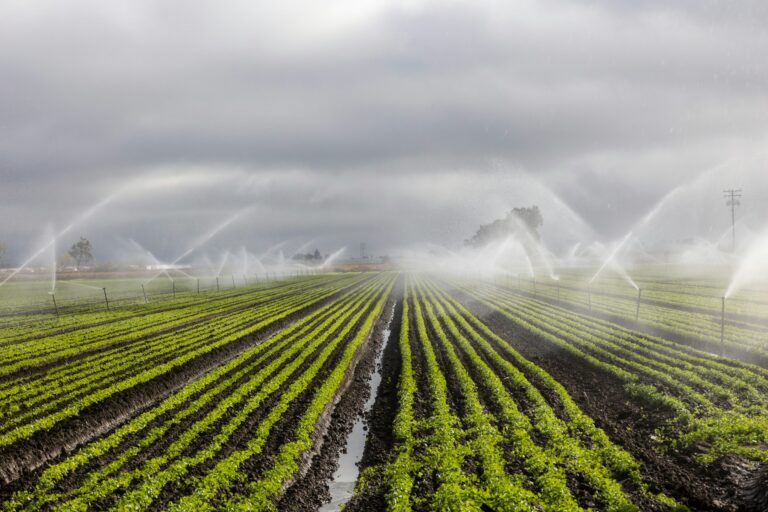
Photo by Elibet Valencia via Unsplash.
The Berg River Valley, which relies heavily on the Western Cape Water Supply System, will be among the hardest-hit areas. This single region generates nearly a quarter of South Africa’s annual table grape exports.
Carel van der Merwe, SATI’s Berg River regional representative, cautioned that restricted water access could hinder growers' ability to satisfy strict international buyer specifications for size, appearance, and shelf life.
Furthermore, the effects will spill over into future harvests. Van der Merwe explained that bud initiation—which dictates the number of bunches vines yield in the following season—occurs during this period. Extended water stress could compromise vine health, reducing future yields and crop quality.
Citrus producers are similarly concerned. The Citrus Growers' Association of Southern Africa (CGA) reported that lower irrigation allocations could lead to smaller fruit sizes, dampening profitability in international markets that demand precise sizing standards.
These cuts arrive alongside existing financial and operational burdens, including severe flood damage from May 2026, adverse market conditions, and growing uncertainty surrounding South Africa’s trade benefits under the African Growth and Opportunity Act (AGOA).
SATI has urged the government to review the size of the agricultural cutbacks and conduct quarterly evaluations before enforcing further reductions. Petersen noted that a phased approach would offer growers greater flexibility to protect crops, safeguard rural employment, and preserve export revenue.
Concurrently, the CGA has called for urgent investment in aging bulk infrastructure, such as canals and dams, to minimize conveyance losses. The association added that improving port logistics and rail connections, along with securing expanded market access, would help offset current operational burdens.
Drought concerns extend beyond agriculture
The City of Cape Town has elevated its water status to "Early Drought Caution," citing low rainfall and reservoir levels roughly 10 percent lower than last year's figures.
Although the city’s 2026 Water Outlook reports no immediate supply threat, municipal officials warned that the risk of mandatory urban restrictions has risen. No household limits are active yet, but residents are urged to conserve water voluntarily.
To maintain stability, Cape Town established a daily consumption target of under 860 million liters.
Adding to concerns, national forecasts highlight a potential strong El Niño event, which typically brings warmer temperatures, higher evaporation rates, and reduced runoff. Hydrological modeling indicates that unmitigated consumption at full allocation levels would significantly heighten the likelihood of severe shortages by 2027.
*All photos are referential. | Top photo by Bernd Dittrich via Unsplash.
Related stories
South African pears eye 2026/27 export rebound through blush variety pivot