


Catalytic Generators eyes growth as Iran war disrupts ethylene supplies
 Add Fresh Fruit Portal to Google
Disruption to ethylene supplies linked to the Iran war is opening doors for Catalytic Generators in Asia, as fruit ripeners seek alternative sources to the petrochemical industry.
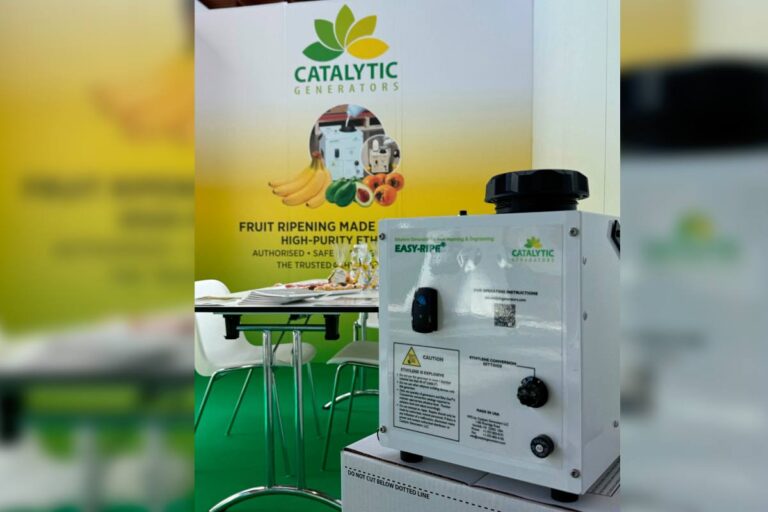
The US company, whose generators convert an ethanol-based liquid into ethylene for fruit ripening, says pressure on industrial ethylene supplies has helped it secure business with Japanese banana ripeners.
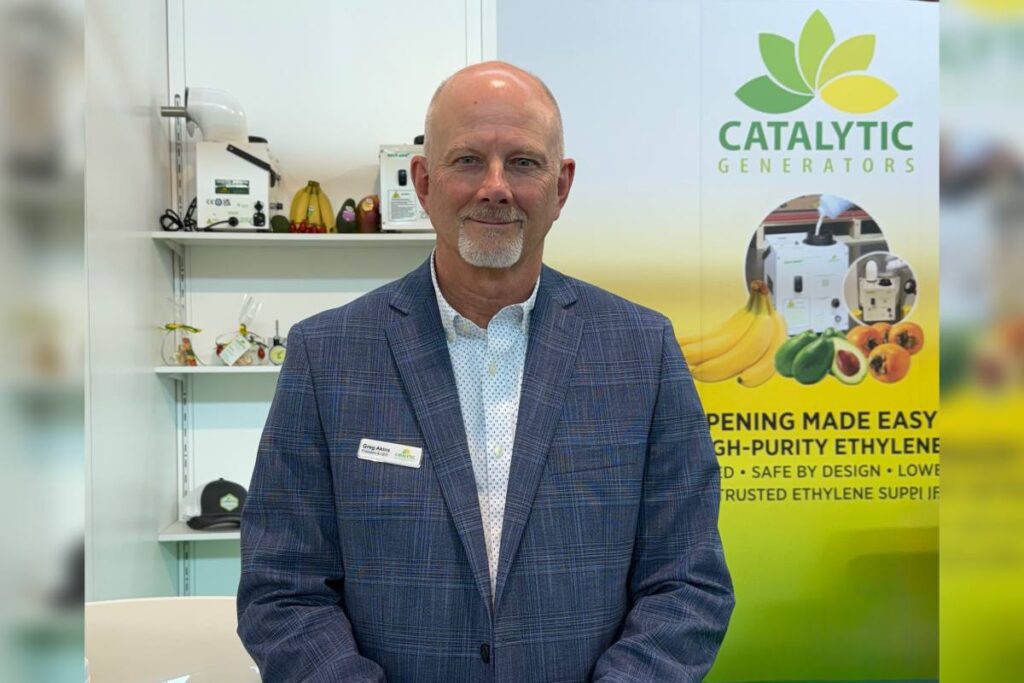
“With the Iran situation, it’s put some pressure on certain parts of the world to have compressed ethylene,” CEO Greg Akins told FreshFruitPortal.com. “We sold to Japan for one of the first times because they couldn’t get supply out of the Middle East.”
Ripening long-term demand
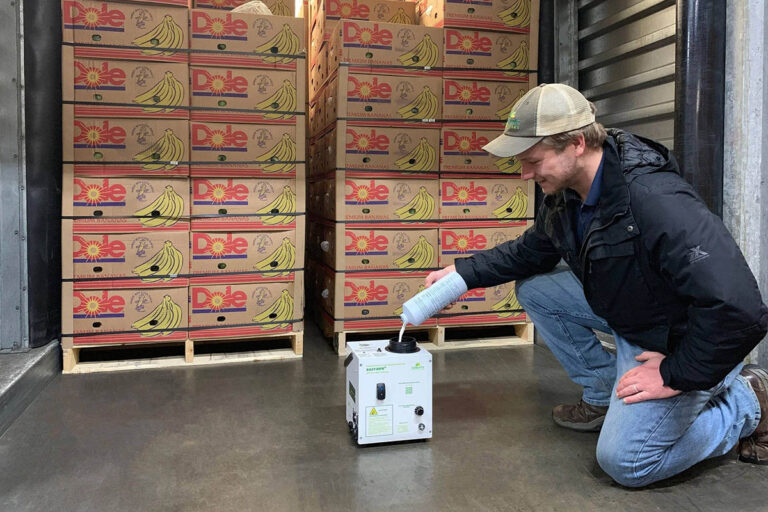
Ethylene, used to trigger and coordinate ripening in fruits including bananas and avocados, can be supplied as compressed industrial gas or generated at the ripening facility using the company’s equipment.
Catalytic Generators hopes the supply difficulties will encourage customers to reconsider their sourcing arrangements, creating lasting demand for its technology beyond the immediate disruption.
“We hope the war comes to a swift end and that the suffering of those affected ends as soon as possible,” said Akins. “From an industry perspective, the situation also highlights how geopolitical events can disrupt industrial ethylene supplies. These challenges may encourage fruit ripeners to reassess their sourcing arrangements and consider alternative solutions that offer greater supply security and independence from petrochemical markets, such as our on-site ethylene generation technology.”
The company argues that its focus on fruit ripening offers another advantage. Industrial ethylene serves numerous markets, including plastics manufacturing, leaving fruit ripeners competing for attention with much larger customers.
“We feel like those products get a lot more priority of the supply than fruit ripening,” the executive said on the sidelines of Fruit Attraction 2026 in Madrid, Spain.
By contrast, ripening is Catalytic Generators’ core business, allowing it to concentrate its technical knowledge and customer support on the needs of produce operators.
“We don’t focus on other gases. We don’t focus on other products,” Atkins added.
Catalytic Generators: A growing presence in the avocado industry
Japan had already been on the company’s expansion list, although its main overseas priorities have been South America and Europe. Established in 1973, Catalytic Generators says it developed the world’s first generator of its kind and has built a strong position in North America.
European expansion has required substantial investment in research and registration of its liquid as a plant protection product.
Alongside the opportunity to win customers from industrial gas suppliers, the company sees growing avocado consumption supporting demand for ripening technology.
Although bananas remain a core market, avocados offer scope for growth as their use spreads across sandwiches, guacamole, and other foods.
The company says ethylene helps operators achieve consistent ripeness across a room of avocados. However, successful results also depend on harvesting fruit at the correct maturity and ensuring receivers understand its condition.
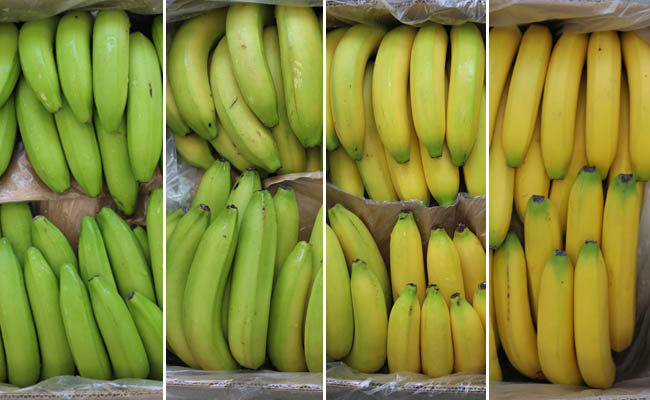
“Harvest maturity is very important, and the receiver knowing the maturity level of the fruit when they receive it is equally important,” Atkins added.
The company is also developing wireless monitoring for its generators, with a system planned for next year that would allow customers to check equipment through an app or webpage.
Users would be able to see when generators were switched on or needed refilling without entering the ripening room.
Written by Tom Azzopardi | Reported by Ed Vernon, in Madrid, Spain
*All images courtesy of Catalytic Generators.
Related stories
3 ways to make fresh produce operations more cost-effective
Global expansion and digital ripening innovation drive Catalytic Generators' 2026 strategy