


Independent truckers' strike at the Port of San Antonio ends following successful negotiations
 Add Fresh Fruit Portal to Google
After nine consecutive days of protest, the independent truckers' strike that blocked access to the extra-port warehouses in San Antonio, Valparaíso Region, Chile, ended on Friday, November 10.
The resolution came after the haulers' association reached a direct agreement with cargo-generating companies to cushion the impact of rising operational and fuel costs.
The end of the strike brings relief to the Chilean agro-export sector, which had raised alarms about the stoppage's impact as the first shipments of early-harvest cherries and stone fruit were set to depart from the port.
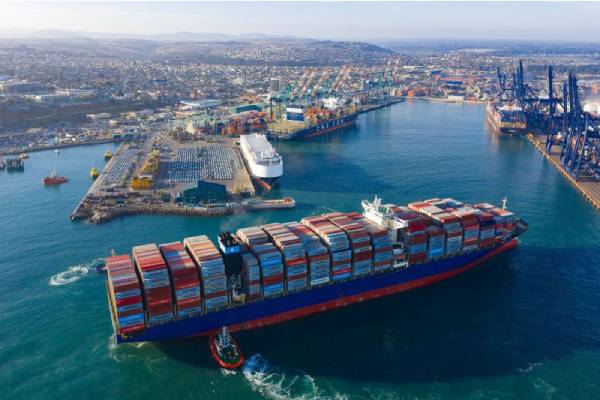
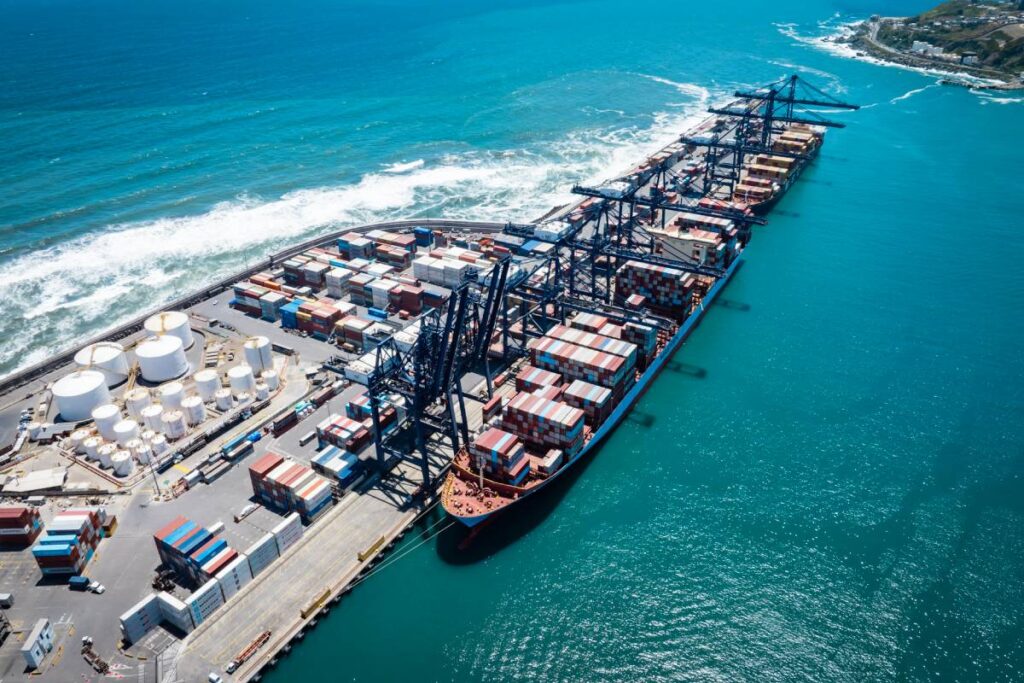
Image courtesy of Terminal Internacional de San Antonio
Reaction from union leaders
Iván Marambio, President of the industry body Frutas de Chile, emphasized the value of consensus for foreign trade stability and said that San Antonio "is already functioning normally."
"This is a very important step for our industry, especially during a key period for Chilean fruit exports. We hope that the remaining pending depot can join the agreement soon, thereby safeguarding the continuity of the logistics chain and the fulfillment of our commitments to international markets," he added in a statement issued by the association on Friday, November 6.
During the conflict in San Antonio, Frutas de Chile acted as a negotiating bridge between port leaders, cargo generators, representatives of independent truckers, and the government.
Ricardo Rodríguez, President of the Union of Stevedores of El Maipo (Semm) and coordinator of the Chilean Port Union Confederation, stressed workers' role in the negotiations.
"We are glad to have contributed to resolving the conflict," he said according to statements reported by Frutas de Chile.
For Rodríguez, the agreement leaves the "possibility of continuing to work peacefully and more efficiently."
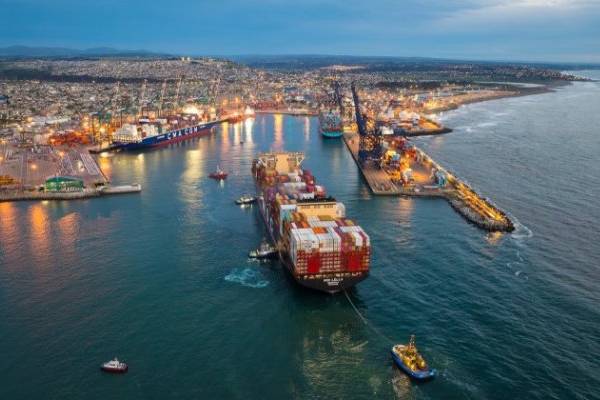
Image courtesy of Terminal Internacional de San Antonio
"As port workers, we want to do things well, and we had been preparing in advance for the fruit shipping season," he noted.
Key points and commitments of the agreement
The agreement includes an immediate eight percent tariff adjustment on overland freight rates, a permanent indexation mechanism based on the INE's ICT-Diesel index for future price reviews, and direct authorization for independent truckers in local cargo tenders.
In addition to these commercial conditions, the agreement included structural and state support for working capital and equipment modernization for SME haulers, as well as the implementation of a mandatory port enrollment system to monitor flows and prevent unregistered trucks from entering terminals.
With the gradual reopening of access to depots and warehouses, land services and the reception of refrigerated containers resumed normal operations on the same day.
*All images courtesy of the Port of San Antonio.
Related stories
San Antonio port strike threatens Chilean cherry supplies
Avocado industry to resume operations in Michoacán after 10-day strike