


Domestic blueberry prices drop in China, but high-end sales channels remain resilient

 Add Fresh Fruit Portal to Google
Blueberries are losing their "luxury" status in China, with small boxes that once cost 20 to 30 yuan (about $3 to $4.50) seeing steady price declines of up to 50 percent, in some cases.
According to local media outlet CBN, in some Shanghai supermarkets, retail prices for small and medium-sized blueberries sit at about 50 yuan per jin ($7.50 per pound), while large packs go for 80 yuan ($12) per jin. In the wholesale market, a 3.3-pound box of blueberries cost more than 200 yuan ($30) last year, but this year it has dropped by more than half.

Online platforms are also seeing price drops, with some stores selling the same type of blueberries for four boxes at 40 yuan ($6) at the beginning of the year, down to 19.8 yuan ($3).
Farmgate price declines are even more pronounced. According to data from Yimutian, the purchase price of the popular L25 fragrant blueberry variety dropped from 150 to 180 yuan ($22.5 to $27) per kilo at the start of the market in 2024 to 100 to 120 yuan ($15 to $18) last year. This year, they say, is only fluctuating around 50 yuan ($7.50): nearly halved in three years.
Why prices are dropping so drastically
The rapid supply expansion has laid the foundation for the decline in blueberry prices.
According to local statistics, China's blueberry production reached 347,000 metric tons in 2020, surpassing the United States for the first time and ranking first in the world. By 2025, the national planting area reached nearly 315,000 acres, total output reached 810,000 metric tons, and the market size exceeded $7.5 billion.
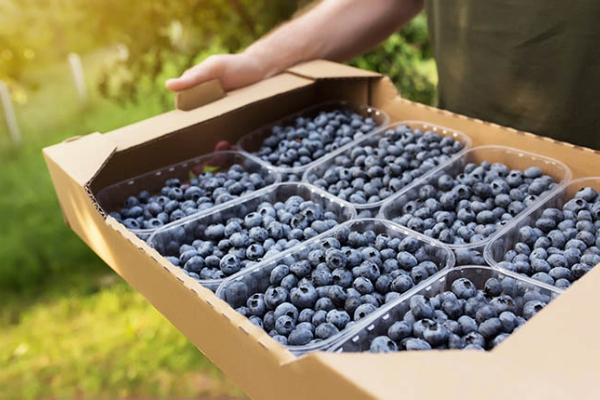
The expansion of blueberry production in Yunnan Province is particularly significant. In 2021, nearly 16,500 acres were planted, yielding 45,000 metric tons. This figure is projected to increase to 300,000 mu (about 60,000 acres) and 349,000 metric tons by the end of 2026.
However, industry insiders say that rising blueberry yields are not due to expanding planted area, but to the widespread adoption of greenhouse cultivation and coconut coir substrate cultivation.
Integrated water and fertilizer management, automatic temperature control, and tissue culture propagation have enabled yields of 880 pounds per acre (about 0.067 hectares), more than double those of traditional ground cultivation. Simultaneously, it allows for off-season supply from November to May of the following year, filling the gap in fresh fruit availability during winter and spring.
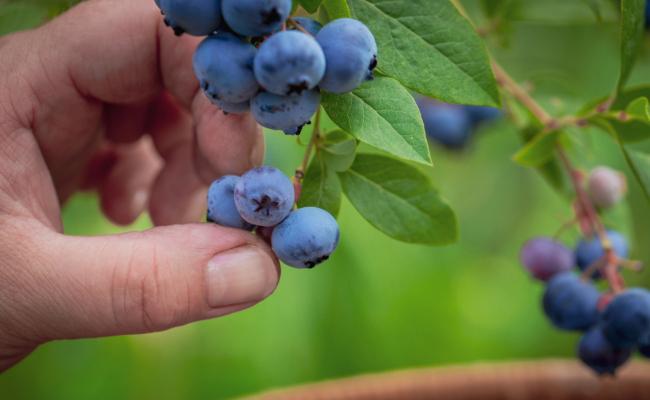
Shifting the blueberry selling strategy
As production capacity expands, the industry logic has changed. The profit point of blueberries is no longer just "rarity," but has shifted to scale, quality control, and supply chain efficiency.
The Yunnan production area has developed an industrialized system, from seedling cultivation and sorting to pre-cooling and cold-chain logistics. Investments of tens of millions of yuan are required for bases of hundreds of acres, making it difficult for ordinary small-scale farmers to participate independently.
Leading enterprises, capital, and technical teams have become the dominant forces. Although prices have declined, the consumer market has opened up, and cheaper blueberries are appearing in everyday household fruit platters, with e-commerce and supermarket sales accelerating significantly.
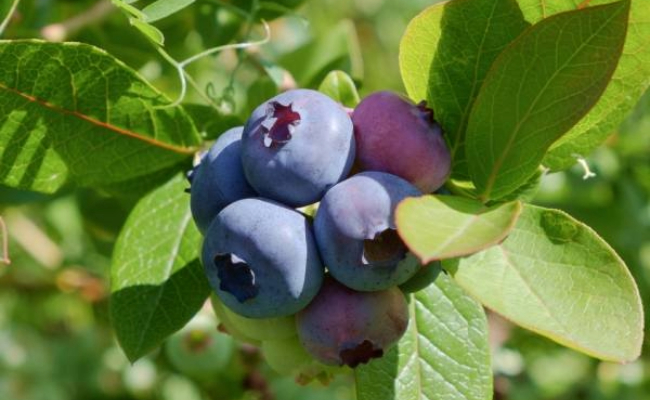
Fortunately, blueberry prices haven't plummeted across the board. Larger, firmer, and more consistent-tasting blueberries can still find their way into high-end channels, maintaining relatively stable prices.
Smaller and mixed-quality fruit, however, is selling at near cost, and the price gap between batches from the same production area is widening. For growers, the days of "growing them and not worrying about selling them" are over. Grading, quality control, and supply stability are now directly determining profitability.
Processing as a solution for falling prices
Deep processing has absorbed another portion of the production capacity. After fresh fruit prices fell, the purchase price of raw fruit dropped from 20 yuan ($3) per kilogram to 3 to 4 yuan ($0.45 to $0.60), opening up cost margins for products such as fruit wine, juice, and freeze-dried fruit.
Some companies have already regarded deep processing as an important outlet for absorbing surplus fresh fruit. At the same time, some Yunnan blueberry companies have begun to extend into categories such as raspberries, blackberries, and summer strawberries to diversify the price risk of relying on a single variety.
Industry insiders believe the continued price decline is a sign of a maturing market. Blueberries in China are still far from being everyday consumer goods like traditional fruits, and their affordable price helps reach a wider range of consumers, opening up greater opportunities for the entire category.
However, some caution that as substrate blueberry cultivation gradually reaches normal profitability, the industry may undergo a reshuffling in the future, with new actor facing significant risks while those with channel advantages further strengthen their sales power.
*All images are referential.
Related stories
Chinese blueberry exports gain traction in Southeast Asia
Camposol starts the 2026/27 season with new blueberry rebrand in China