








Fresh Del Monte: global banana shortage will require “substantial adjustments”
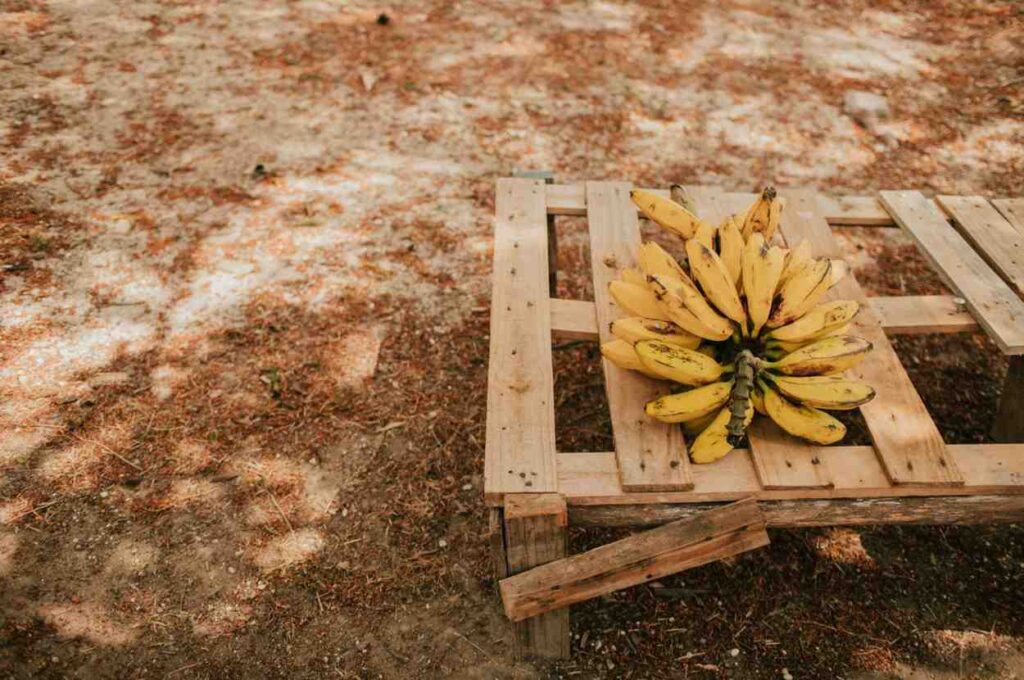



Banana shortage is getting real. Regarded as one of the most consumed fruits in the world and the top fruit-snack choice for U.S. shoppers, the crop faces great supply challenges due to climate change and the sector’s biggest enemy: Fusarium TR4. The fungal disease attacks the plant's root system, impacting fruit growth and often rendering the soil unfit for banana planting. Black Sigatoka, another fungus leaf-spot disease affecting plantations, has similar effects and can reduce yields by up to 50%.


At Fresh Del Monte's latest earnings call, CEO Mohammad Abu-Ghazaleh addressed this issue. He warned the industry about the growing imbalance between banana supply and demand, as disease pressures rise, and said his company is implementing multiple strategies to tackle this crisis.

Jorge Pelaez Reyes, SVP of Central America at Fresh Del Monte, tells FreshFruitPortal.com the company is adapting its crop planning and agronomic practices to increase production stability and support growers across the region.
Climate change is making things worse
As bad as they are by themselves, TR4 and Black Sigatoga are not the only threats looming over bananas. Extreme weather events caused by climate change are directly contributing to the spread of fungal diseases, further impacting supply.
Several reports claim that Latin America, on which the U.S. and Europe heavily rely for banana supply, will be especially impacted by climate change. The report, published by the UK-based NGO Christian Aid, estimates a 60 percent reduction in the area suitable for export banana production by 2080, while countries such as India, Brazil, Colombia, and Costa Rica are also expected to experience declining yields by 2050.
“The changing climate has intensified pest and disease activity, requiring a shift from traditional chemical-based approaches to more integrated and sustainable solutions,” Pelaez says.
Measures include improved drainage and irrigation, the use of cover crops, and enhanced soil and plant health practices. For Black Sigatoka prevention, the company is focusing on reducing plant stress and promoting leaf development through better water and nutrient management.
“Proper spacing ensures better sunlight exposure, reduces excess moisture, and supports a well-structured canopy for more effective chemical application,” he adds.
While TR4 has not been detected in Central America, Fresh Del Monte has implemented preventive biosecurity protocols and is applying lessons from its operations in Asia, where the disease is present. Pelaez Reyes stated the company's R&D team is actively experimenting to find TR4-tolerant varieties.
Helping banana growers by optimizing crops
Despite input cost pressures, Del Monte is leveraging earlier investments in research and production flexibility to optimize efficiency. This means adjusting production windows and using nearly all available fruit (including that harvested during surplus periods) to maintain a consistent supply while minimizing waste, explains Pelaez Reyes: “Stabilizing production helps us get the most from our inputs—reducing inefficiencies and enabling a more consistent use of labor, materials, and resources throughout the year.”
Fresh Del Monte anticipates that the global banana shortage will continue to impact market dynamics and is responding with diversified sourcing and supply chain resilience efforts. To address production imbalances and improve sustainability, Fresh Del Monte is offering growers tools to forecast and manage supply more evenly.
“In the short term, we are implementing targeted programs to optimize production during periods when banana plants are naturally more productive,” he says.
The company is also pursuing longer-term solutions, including expanding into currently unplanted areas across Central America and supporting growers through research-backed programs. These initiatives supply current and potential growers with detailed data to help create more precise harvesting plans. Pelaez Reyes says they also offer solutions to maximize fruit utilization, such as packing smaller or non-standard bananas.
“One of the main challenges growers face is the excess volume of bananas produced during the second half of the year,” Pelaez Reyes said. “We are addressing this by developing tools and strategies to help shift production and better predict peak periods.”
He added that early forecasting and production planning allow growers to prevent fruit loss and plan for labor and logistics needs. These strategies aim to stabilize regional supply and prevent disruptions caused by oversupply or shortages.
Related articles:
Climate change is "killing" bananas






Subscribe to our newsletter