









Spanish cherries are finally cleared to hit Chinese market
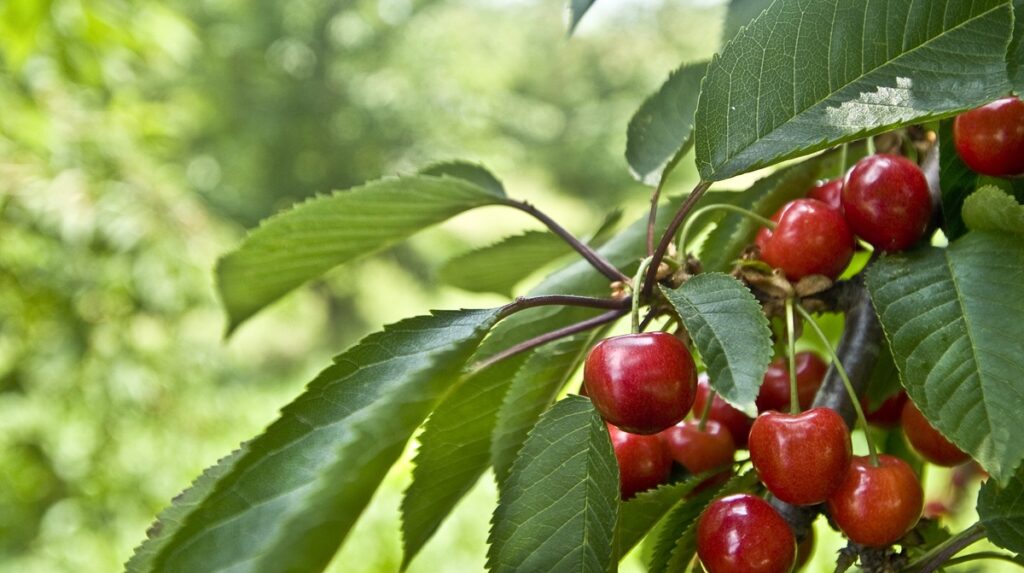



Spanish cherries are officially ready to debut in Chinese fruit aisles. Following the signing of the phytosanitary protocol in early April, Spain’s Ministry of Agriculture, Fisheries, and Food announced that the respective audit process was finalized at the beginning of the month.


Under the agreed protocol, the Spanish Ministry will supervise all stages of cherry handling, including processing, packing, storage, and transport. Only fruit from registered orchards is eligible for export. The agreement will remain in force for three years.
On August 14, China’s General Administration of Customs (AGA) published the register of Spanish establishments approved to export cherries into the Asian giant’s territory, enabling immediate commercial shipments.
The Ministry stated that the agreement concludes a lengthy negotiation process that required pre-export audits by Chinese authorities. In June, the AGA conducted video audits and selected orchards and packing facilities to verify compliance with the agreed phytosanitary standards.
The Spanish cherries on top of an expanding trade relationship
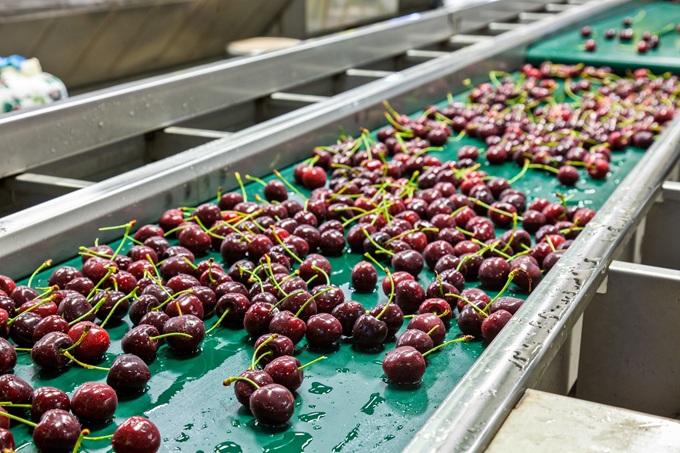
Reference image
Since June 2018, Spain and China have signed 11 bilateral protocols for agri-food products, and negotiations are still ongoing for dried figs and pistachios.
In 2024, Spain exported $2.17 billion in agri-food products to China, generating a trade surplus of $294 million. China is Spain’s ninth-largest agri-food export market by value and the third-largest outside the EU, following the United Kingdom and the United States.
The move to allow Spanish cherries into China expands the European country’s portfolio of plant product export protocols with Beijing, which already includes citrus, peaches, plums, table grapes, persimmons, and almonds. Non-fruit exports such as fodder oats, olive paste, and dehydrated alfalfa for animal feed are also authorized.
The Chinese cherry craze keeps blooming
The Asian giant’s love for the red stone fruit is well documented. Cherries are highly regarded as a luxury item and are often given as expensive gifts. In recent years, e-commerce development has led to increased product availability, allowing demand to remain healthy.
Chilean cherries currently dominate the Chinese market, with the South American country exporting nearly 90 percent of its production to this destination. According to the USDA’s Stone Fruit Annual report, there was a 44 percent uptick in Chilean cherry exports to China in 2024, a figure the entity projects will soar again in 2025.
Oversupply of Chilean cherries triggered a price drop during 2025’s early season, which impacted Chinese greenhouse-grown cherries—a growing practice in the country.
Between 2015 and 2018, China was one of the main export markets for American cherries. However, over the past two years, attention has shifted to Vietnam, South Korea, and Japan due to better pricing. This shift has affected U.S. cherry exports to China, which are projected to decline in 2025-26, despite a strong harvest in Washington state. This is attributed to ongoing retaliatory tariffs imposed by the Chinese government on U.S. cherries, which continue to impact trade flows.
Writing and reporting by Macarena Bravo
*Featured picture by Spain’s Ministry of Agriculture, Fisheries, and Food.









Subscribe to our newsletter