







More pollination hours and better hive health—the science behind Beeflow technology
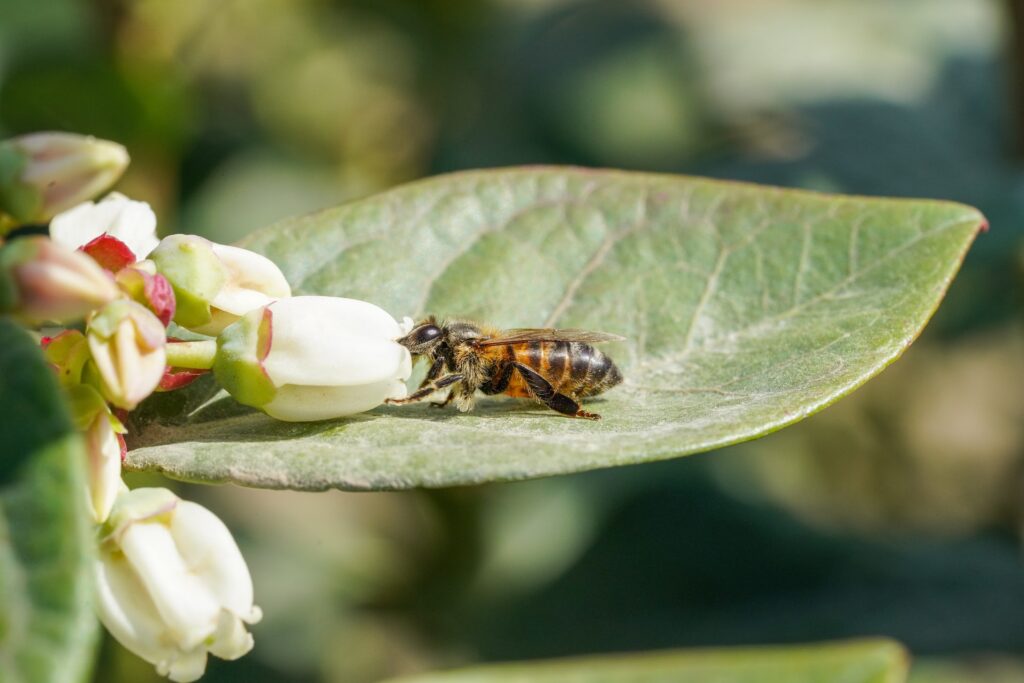

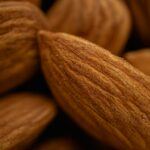
The role honey bees play in agriculture is essential, especially for crops that aren’t self-pollinating. This is the case with almonds, for example, where a drop in the local bee population directly affects the trees’ yield. California supplies 80 percent of the world’s almonds, and every one that you eat exists because a honey bee pollinated a blossom.


So it comes as no surprise that growers of pollinator-dependent crops have long sought and hired expert services to maximize bee pollination. But research behind pollination systems has long remained stagnant. This does come as a surprise, as some studies show precision-pollinated plots receive 70 percent more bee visits to flowers on average.
“Growers have been managing pollination in a very informal way,” says Matias Viel, CEO of pollination service company Beeflow. “Back in 2016, I found that there was a lot of knowledge out there in academia and a lack of transfer of that knowledge into the industry.”
Next generation tailor-made pollination
Beeflow partners with local beekeepers to provide a pollination strategy to growers. The service is tailored to the farmer’s crop varieties and genetics, taking details like flower shape and pollen amount into consideration. The company works with several crops, including blueberries, raspberries, and almonds.
Once they gather initial data, the CEO says, the company feeds the bees with one of its two proprietary molecules, used to “improve bees’ health and their performance pollinating crops."

Matias Viel, CEO of Beeflow
The two products address two major bee characteristics that directly affect pollination: bees’ resistance to the cold and their attention span.
Bees don’t like low temperatures, preferring to stay inside their hive during the winter. However, if the pollinators are not coming out to spread the pollen due to cold-weather spurts, Beeflow feeds them its first proprietary technology, Max Poll, instead of their usual water and sugar meal.
By enhancing the bees’ immune system, Viel says the insects have more energy to pollinate under cooler weather, increasing pollination hours in temperatures under 50 degrees Fahrenheit.
“Instead of the bees beginning pollination at mid-day, the bees are starting to fly earlier, even when it’s colder,” Viel says.
Pavlovian conditioning—but with bees
The second Beeflow enhancer increases bees’ attraction to specific crops by conditioning the insects’ memories using certain smells. These liquids are fed to the beehive through a feeder and don’t affect the bees’ health, says the company.
“We developed some fragrances to feed the bees to help them associate food with a specific fragrance,” Viel explained.
Thirty-six Beeflow field trials across the U.S. showed 18 percent more visits to blueberry flowers when the bees are managed under precision pollination compared to conventional pollination methods. Likewise, flights at suboptimal temperatures increase sevenfold.
This is a new horizon for an industry that Viel says has remained stagnant for a long time and needs to grow in terms of innovation.
“More and more growers are beginning to understand that pollination has to evolve to what I call pollination 2.0,” Viel explained. “Drip irrigation came to agriculture about 50 years ago, and before we were irrigating crops with other methods. We are developing an innovation that is as big as drip irrigation has been to agriculture.”
Related stories
Wild bees play a vital role in Georgia’s blueberry industry
BeeHero's Yuval Regev: "Even the best beekeepers can benefit from a data-driven approach"



Subscribe to our newsletter