







Indian exporters sound the alarm on sectoral fallout as U.S. tariffs take effect
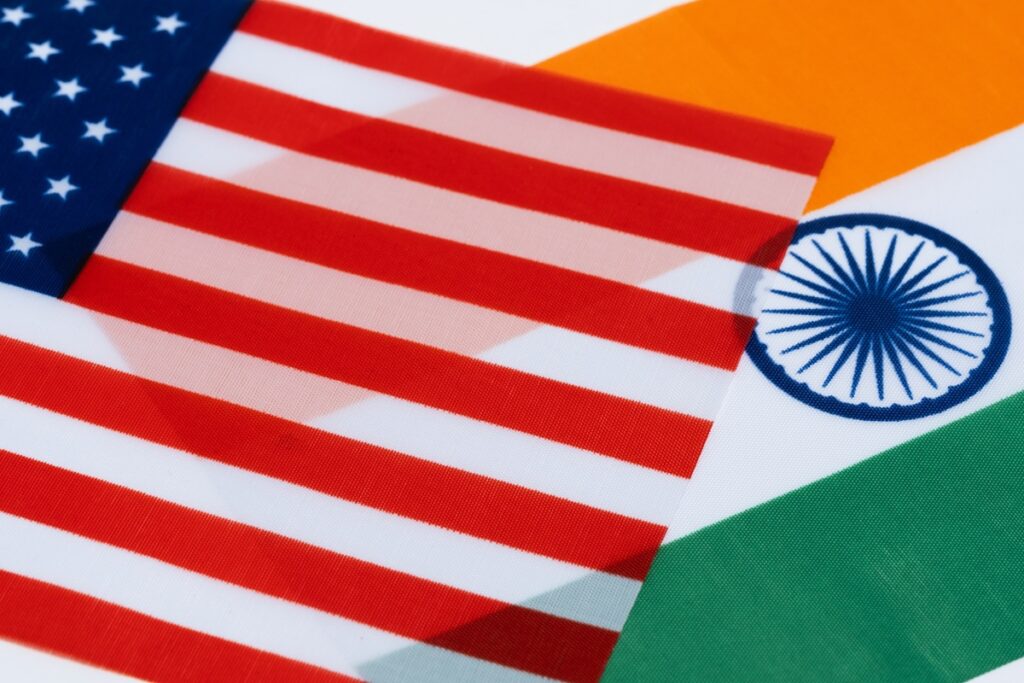



Through a press release, the Federation of Indian Export Organisations (FIEO) expressed its deep concern over the current trade relationship between India and the United States.


The recently announced additional 25 percent tariff on Indian exports will result in many export categories coming from the South Asian country facing a whopping levy of up to 50 percent, effective today, August 27.
Along with the import tax imposed on Brazil, this is the highest U.S. tariff announced by the White House so far.
Turmoil with India's biggest client
The U.S. is India's largest export market, accounting for 55 percent of shipments and worth between $47 and $48 billion, according to FIEO.
FIEO President S.C. Ralhan described the current situation as a setback and added that it can severely impact India's exports to the U.S. and make the country less competitive against regional rivals, such as China, Vietnam, Cambodia, and the Philippines.
Textiles and apparel manufacturers in Tirupur, Noida, and Surat have halted production amid higher production costs, losing ground to exporters in Vietnam and Bangladesh. Meanwhile, the local seafood sector, one of the most significant in the U.S.-Indian trade relationship, is also suffering. American consumers buy 40 percent of Indian shrimp, and as tariffs increase, the sector risks stockpile losses, disrupted supply chains, and farmer distress.
An urgent call for government intervention
In the face of this dire scenario, the FIEO is urging the Indian government to provide immediate support, including the implementation of interest subvention schemes and assistance in improving infrastructure and cold-chain/storage assets to strengthen competitiveness.
Additionally, they also required the administration's support for aggressive market diversification efforts. The FIEO called for accelerated trade agreements with the EU, Oman, Chile, Peru, the Gulf Cooperation Council countries, Africa, and other Latin American countries, with a provision prioritizing early harvest for labour-intensive sectors.
However, the industry entity was clear in stating that urgent diplomatic engagement with the U.S. remains critical to solving the problem. Media reports earlier this month pointed to a standstill in American-Indian trade negotiations regarding tariffs. Bilateral talks are expected to resume shortly after levies take effect, although it remains unclear whether any potential deal could have a retroactive effect on Indian goods hitting the U.S. after August 27.
Related stories
India's growing taste for cherries attracts new origins and offers opportunities
"We'll just raise prices": Latin American agro industry reacts to U.S. tariffs
Shipping industry and U.S. tariffs—Navigating unknown waters






Subscribe to our newsletter