







With the help of Kenya, Nigerian avocados seek to be the next African sensation
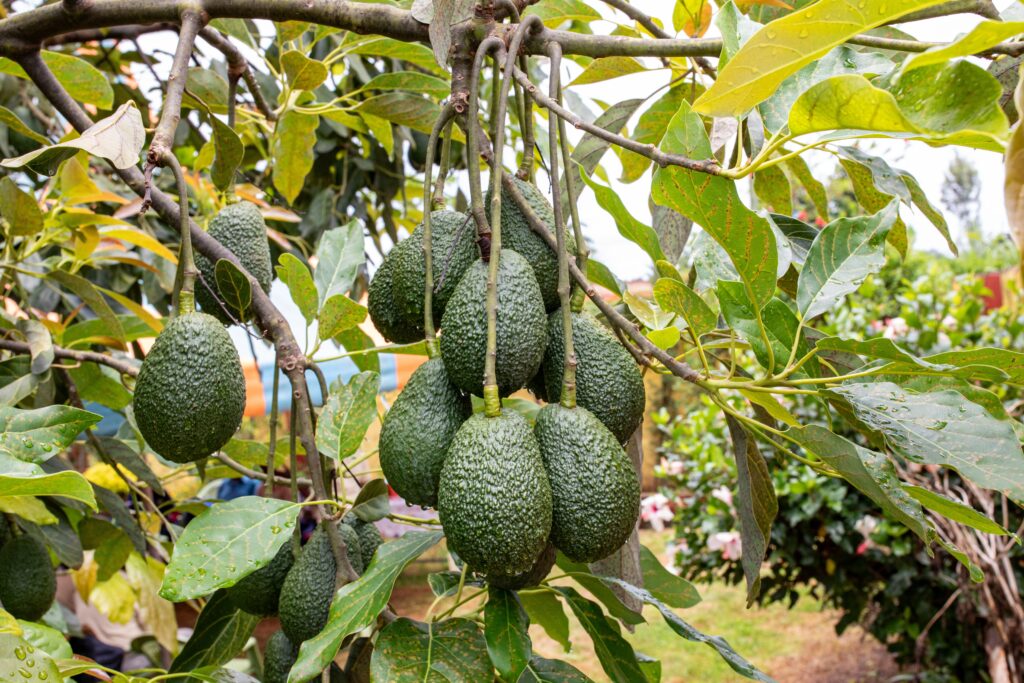



The Nigerian avocado industry is forging a strategic partnership with Kenya to enter the global market, according to local media outlet The Nation. The collaboration between the countries aims to empower local farmers with the tools and knowledge needed to produce export-quality fruit.


In an interview with the publication, the president of the Avocado Society of Nigeria (ASN), Adeniyi Sola-Bunmi, said that the alliance with Kenya—a powerhouse in the global avocado market—is a crucial step, as it will allow more growers to join the sector and open up the door to international trade.
Kenyan and Moroccan avocados already generate billions, while Nigeria has largely remained on the sidelines, says The Nation. The Nigerian avocado sector is a lagging one that has historically focused on local consumption despite its enormous agricultural potential.
The help of Kenya is invaluable for the emerging Nigerian avocado industry . Sola-Bunmi explains that Kenya is Africa’s main avocado exporter and the sixth-largest producer of the fruit worldwide. In 2021 alone, the country’s avocado production reached 417,000 metric tons, doubling its total from five years prior.
The challenges of Nigerian avocado
One of the main obstacles facing the Nigerian avocado industry is the misconception that the fruit requires a long gestation period before it is ready for its first harvest, explained Sola-Bunmi. This belief has discouraged large-scale investments in the country, resulting in a sector dominated by small producers who own fewer than five acres of planted land.
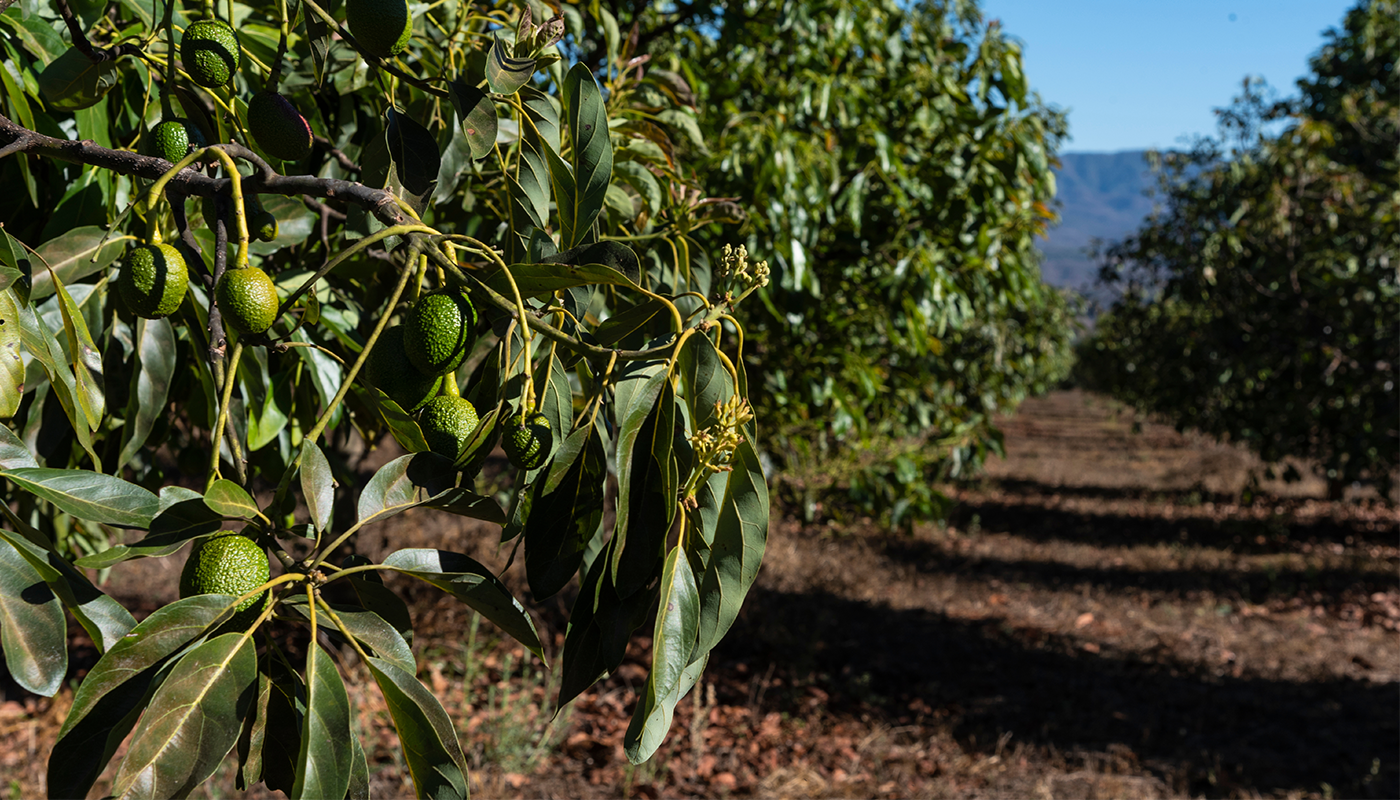
According to the media outlet, the ASN aims to remedy the situation by introducing Hass avocado seedlings in Nigeria with the help of its Kenyan partners. Unlike local varieties that require a longer gestation period, Hass avocados are perfect for Nigeria’s tropical climate, reaching maturity in just three years.
The ASN executive projected that this variety alone could generate more than $7.94 million annually for the Nigerian economy.
"Today we have almost 30 to 35 hectares dedicated to avocado in Nigeria,” Sola-Bunmi said. “The society is expanding production in partnership with universities. We are grouping farmers under our umbrella, including those who plant five, three, or four trees, which is also Kenya's model."
The industry leader added that the most important thing for Nigerian growers is to recognize the nutritional and economic benefits of avocado: “We continue to work on awareness campaigns, training, and skill building. In a short time, we should be among the top ten producers in Africa.”
Enriching the infrastructure for export
In addition to introducing new varieties into the Nigerian market, the ASN focuses on creating the necessary infrastructure to produce export-quality avocados.
As Sola-Bunmi explained, the association is establishing large commercial Hass avocado plantations for its members in several states, including Imo, Ogun, Abia, Enugu, Ebonyi, Edo, Akwa Ibom, Delta, Cross Rivers, and Oyo.
Likewise, the ASN already has a demonstration farm in Ogun state, which includes an international nursery in Abeokuta. This center will produce seedlings and plants that comply with international protocols, ensuring that Nigerian avocados meet the strict standards required in global markets.
Related stories
As Kenyan avocado production grows, how can it increase its share of global exports?
Africa's largest avocado exporter resumes shipments after six-month suspension
Kenyan government restricts avocado exports and regulates mango shipments





Subscribe to our newsletter