







Illinois pumpkin season defies early chills and spills
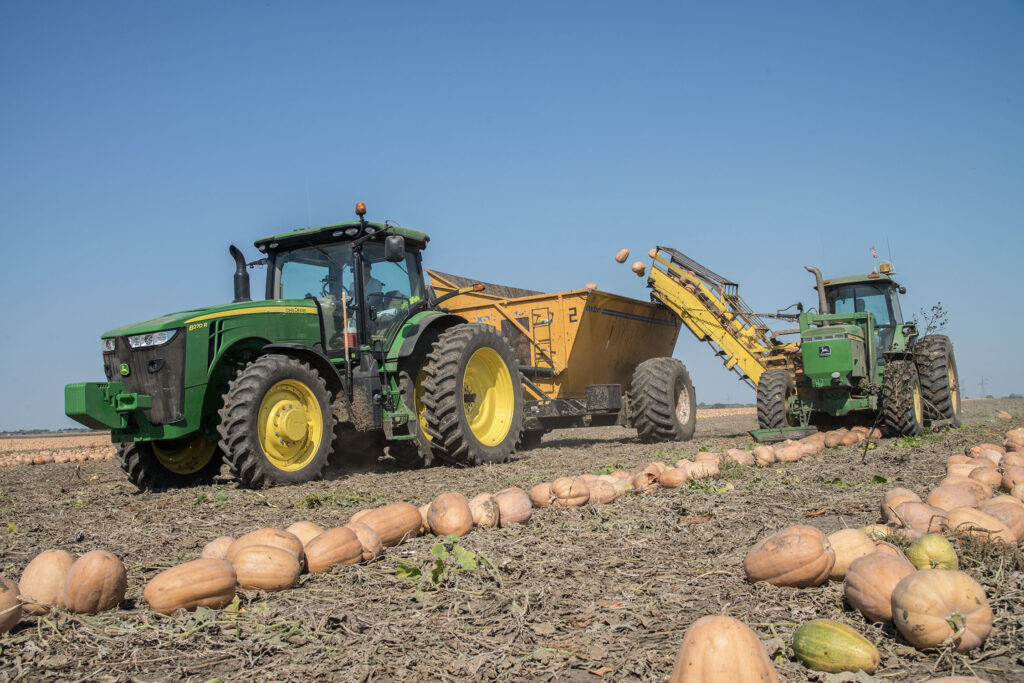



Despite some frightful weather, the 2025 Illinois pumpkin crop is looking anything but scary. Raghela Scavuzzo, Director of Food Systems Development for the Illinois Farm Bureau Associate (IFB), says that, despite adverse weather, this year's output increased over 30 million pounds, and pumpkins are ready just in time.


Scavuzzo told FreshFruitPortal.com the previous harvest ranged from 652 million pounds in 2021 to 690 million pounds in 2023, an increase of approximately 15,000 acres.
This year’s projections look more treat than trick. Scavuzzo says this season will be a "pretty good" one, with output expected to be "average, if not a little bit more.”
Climate and labor remain key challenges
Despite positive projections, weather conditions varied across Illinois this year, leading to disparities in pumpkin size and yield. Scavuzzo says some growers faced delayed planting due to wet conditions, while others contended with drought.
“You need a certain amount of rain, but too much rain can cause disease,” she explains. “Some had some concerns about getting in later because it was too wet to start.”
Despite these challenges, the state’s pumpkin growers “know to look for early signs of disease,” Scavuzzo says, and were able to manage risks through preventive practices such as crop rotation, disease monitoring, and communication among producers.
Labor remains a persistent challenge for specialty crop growers, especially in ornamental pumpkin production, which requires more manual handling than processing crops.
“Processed pumpkins will have a little bit more automation. But ornamentals have to be harvested and stacked appropriately and then put into bins,” says Scavuzzo. “Any kind of specialty crop production is a labor-intensive production.”
More than just Spice: Ornamentals see growing appeal
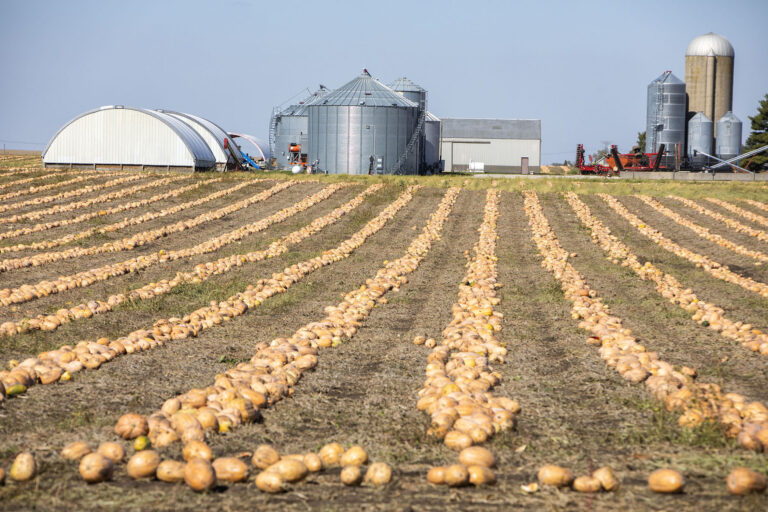
The Prairie State leads US pumpkin production, particularly for processing. Between 70 and 80 percent of the state’s pumpkin acreage is dedicated to canning and food ingredient uses, with most crops grown under contract with processors.
“Eighty-five percent of the canned pumpkin or pumpkin pie mix is going to be out of our processed pumpkin,” Scavuzzo says. The dominant output is pumpkin puree, which serves as the base for products ranging from pie filling to baked goods and beverages. “Even Starbucks' pumpkin spice latte has a very small, keyword small, amount of pumpkin puree in that.”
However, ornamental pumpkins used for seasonal retail displays also make up a significant share of Illinois’ output. Growers continue to see increasing demand for specialty varieties such as White and Bumpy gourds.
“There are so many people now [who] don’t want just the basic orange pumpkin,” says Scavuzzo. “They love all of the different types of gourds, which I think really expands opportunity for agriculture.”
While processing contracts bring a level of stability to growers, the ornamental market remains highly sensitive to consumer trends and weather conditions. “You have six to eight weeks to sell your pumpkins,” says Scavuzzo. “One really rainy weekend could make or break a farm.”
Illinois pumpkin farms offer more than a scare
Pumpkin marketing strategies increasingly emphasize agritourism and regional identity, Scavuzzo notes. Notable events such as Morton’s designation as the “Pumpkin Capital of the World” and pumpkin-smashing competitions help raise awareness and drive traffic to local farms.
“It’s no longer just a pumpkin patch. It’s an experience,” says Scavuzzo. Many farms combine pumpkins with apple orchards and “you-pick” activities to offer full-day attractions for families and tourists.
The state is also home to high-profile producers such as Sarah Frey, known for pioneering large-scale pumpkin supply to major retailers and for her role in promoting Illinois as a national pumpkin leader.
While processing contracts bring a level of stability to growers, the ornamental market remains highly sensitive to consumer trends and weather conditions. “You have six to eight weeks to sell your pumpkins,” says Scavuzzo. “One really rainy weekend could make or break a farm.”
The Illinois Farm Bureau is looking forward to its Everything Local Conference in January 2026. The event includes a biennial pumpkin production workshop.
“We will start January off with that pumpkin production workshop, making sure that our farms are all prepared for what the next season looks like,” Scavuzzo says.
*All photos courtesy of IFB.
Related stories:
Researchers want to make acerola cherries Florida’s new fruit sensation





Subscribe to our newsletter