


Exotic, sweet, and year-round: Fruit trends driving US specialty produce sales
 Add Fresh Fruit Portal to Google
With 2025 in the rearview mirror, northern hemisphere retailers are navigating the peak of winter citrus season, as the market adjusts to renewed fruit trends heading into the new year.
Flagship commodities such as blueberries, table grapes, cherries, and avocados saw sustained growth amid fierce competition and strategic shifts. Despite weather challenges and tariff debacles affecting the global supply chain, varietal innovation rose as the key strategy to keep consumers engaged, and is once again poised to set the fruit trends in 2026.
This comes as no surprise to Melissa’s Produce Director of Public Relations, Robert Schueller. Based in Los Angeles, the company is currently the largest specialty and exotic produce distributor in the US.
Schueller, an industry veteran best known for his annual produce presentation and wide media presence, sat down with FreshFruitPortal.com to discuss upcoming fruit trends.
Pineapple express
Dole recently introduced the Colada Royale pineapple, which Schueller explains debuted at IFPA back in October. Melissa’s Produce is among a limited group of distributors handling the product.
While externally the variety resembles conventional fruit, it stands out for its flavor, boasting the characteristic sweetness of its namesake. Schueller notes that approximately 92 percent of fresh pineapples consumed in the US come from Ecuador, making the Honduras-grown Colada Royale a point of differentiation with year-round supply.
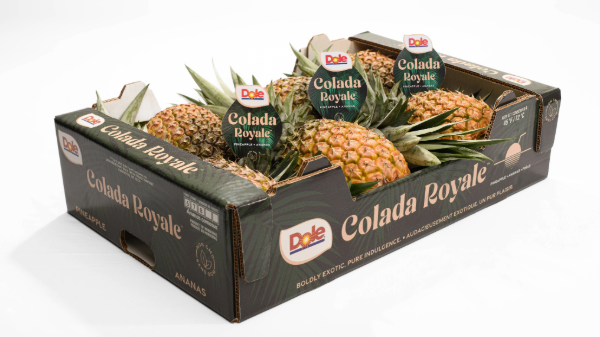
Photo courtesy of Dole.
Dole’s pineapple is not alone, as new varieties are marking the beat in consumer demand. Melissa’s Produce also distributes Fresh Del Monte’s Pinkglow pineapple, the Rubyglow pineapple, and the Precious mini Honeyglow pineapple. The latter has been exclusively distributed by the company since 2024.
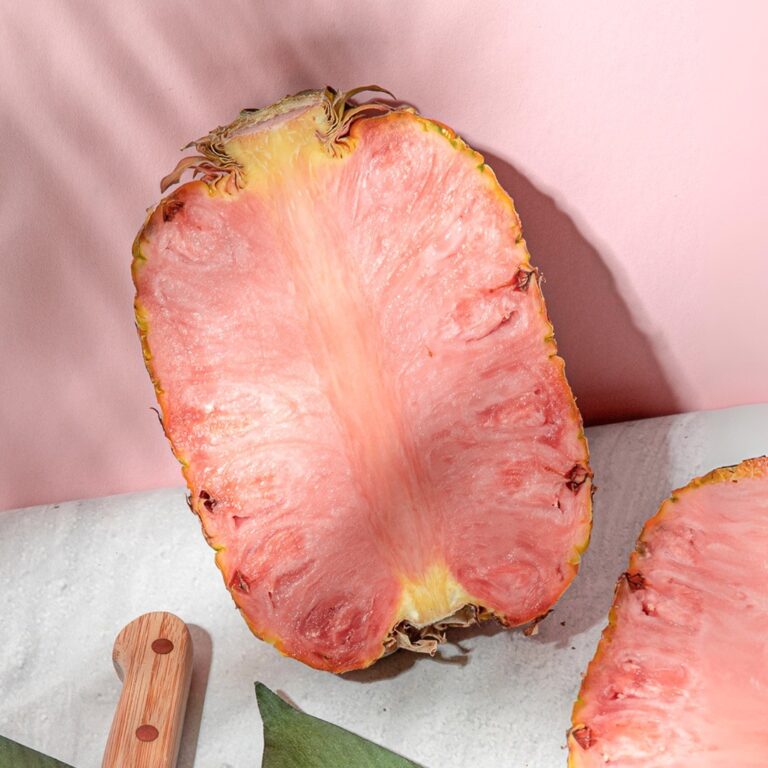
Photo courtesy of Fresh Del Monte.
“Pineapples have really become a part of key fruit trends here in the United States because of all these new varieties that are now available that we didn’t see a few years back,” he adds.
Domestic citrus brings a-peel-ling flair to winter market
US-grown citrus is now at peak availability, with California supplying most of the domestic market from late October through April.
Schueller identifies mandarins as “the fastest growing segment in the citrus category,” beginning with the famously easy-to-peel Satsumas in early November and transitioning into proprietary and late-season varieties.
Melissa’s Produce handles multiple mandarin types, including the Neapolitan tangerine and Ojai Pixie, alongside Shasta Gold and Gold Nugget.
Premium-sized California navels are also in strong demand during winter, while imports remain limited during the domestic season.
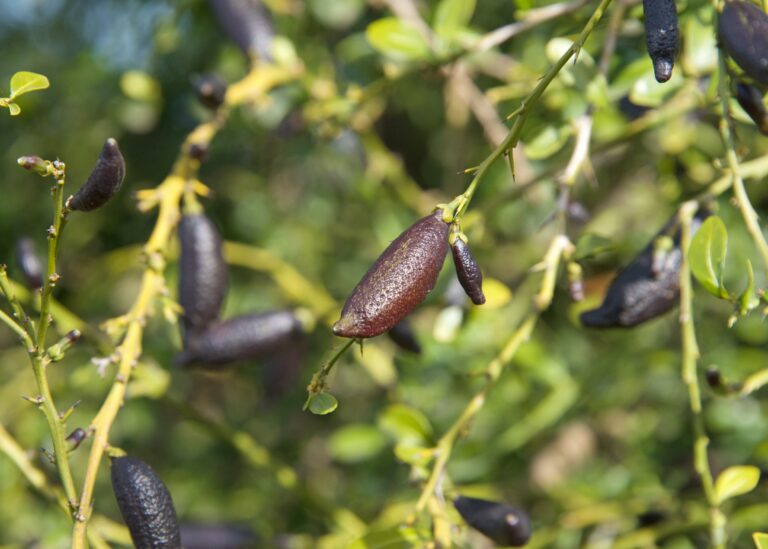
Beyond oranges and mandarins, Melissa’s Produce continues to build volume in specialty citrus. Items such as Buddha’s Hand citron, kumquats, finger limes, and heirloom oranges remain seasonal fruit trends.
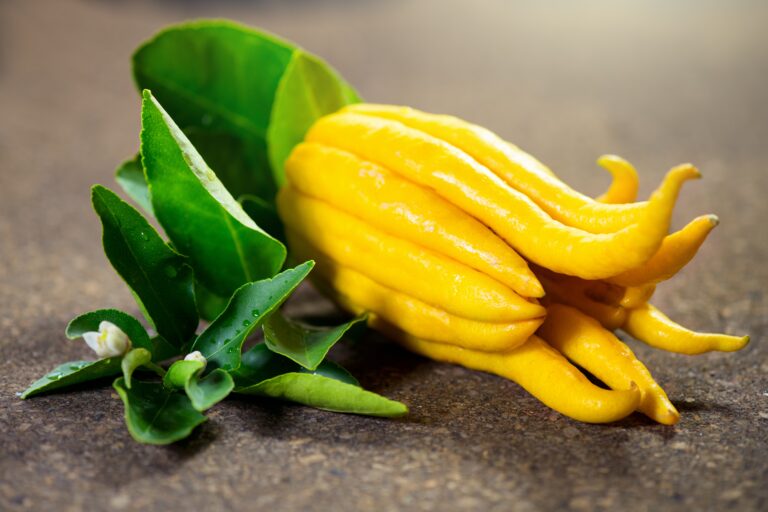
“Buddha’s Hand is given as a gift for good luck and good fortune for the Lunar New Year,” Schueller explains, noting the item has been part of Melissa’s lineup for more than 25 years.
California supplies kumquats for roughly eight months, with Chile filling seasonal gaps. Finger limes remain available through early January, while sour oranges such as Seville and bergamot typically appear in January and February.
Tropical fruit trends awaken consumer curiosity
Melissa’s Produce is seeing its strongest annual growth in tropical fruit, Schueller says. Shifting US consumer behavior, broader retail access, and continued interest in the segment are expected to keep boosting sales heading into 2026.
According to Schueller, consumers are eating fruits differently than they did decades ago. Shoppers are moving beyond “comfort” staples, such as apples and oranges, toward a wider assortment of specialty produce.
“We see the daily consumption based on our product sales has grown significantly as people have become more finicky about what they eat in terms of fruits and vegetables on an everyday basis,” he explains.
He notes that increased exposure to global cuisines, restaurants, and online food content has influenced demand.
Aside from pineapples, he predicts that mangoes, dragon fruit, and papayas will continue leading fruit trends.
Mangoes unchained: Larger, sweeter, and year-round
A widely popular item, mangoes are seeing a shift towards newer varieties and the premium identity, Schueller says. Despite softening prices, the beloved fruit is diversifying beyond traditional varieties, with imports filling seasonal gaps.
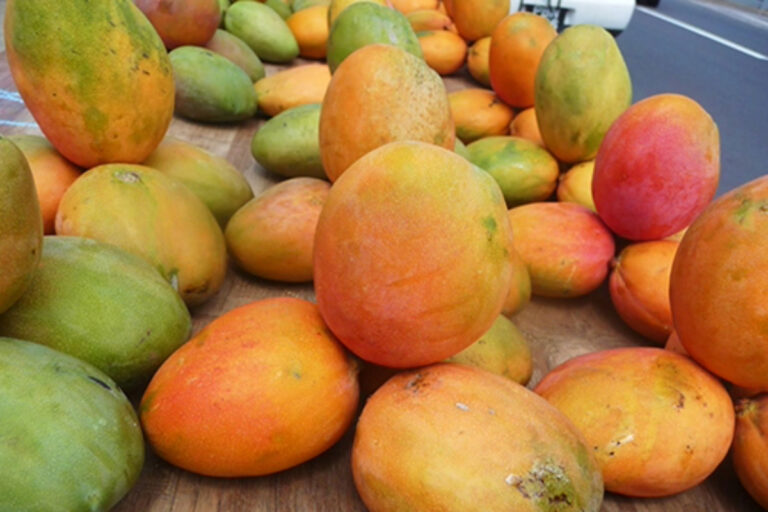
Melissa’s offers tree-ripened Haden, Kent, Manzanillo, Tommy Atkins, and Keitt mangoes. Additionally, Sapurana, a “creamy, velvety variety,” and Australian mangoes are available during winter.
“[Australian mangoes] are big, huge, luscious. They're a little bit pricier than the regular mangoes, so very much a luxury,” he explains.
The company also debuted the Pink Elephant in 2023 and Gold Elephant mangoes in 2024, from Vietnam.
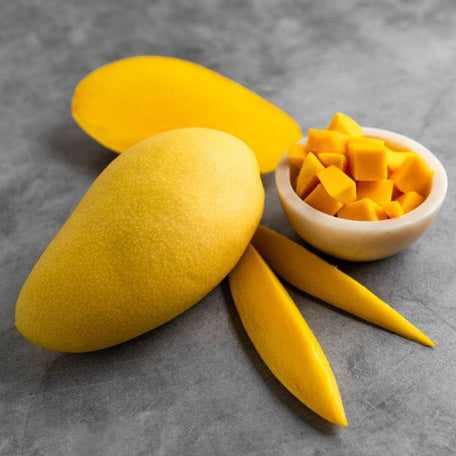
“These weigh about three pounds, and they're about $15, so they're a little bit more expensive than part of our luxury line,” Schueller adds.
From niche to fan favorite
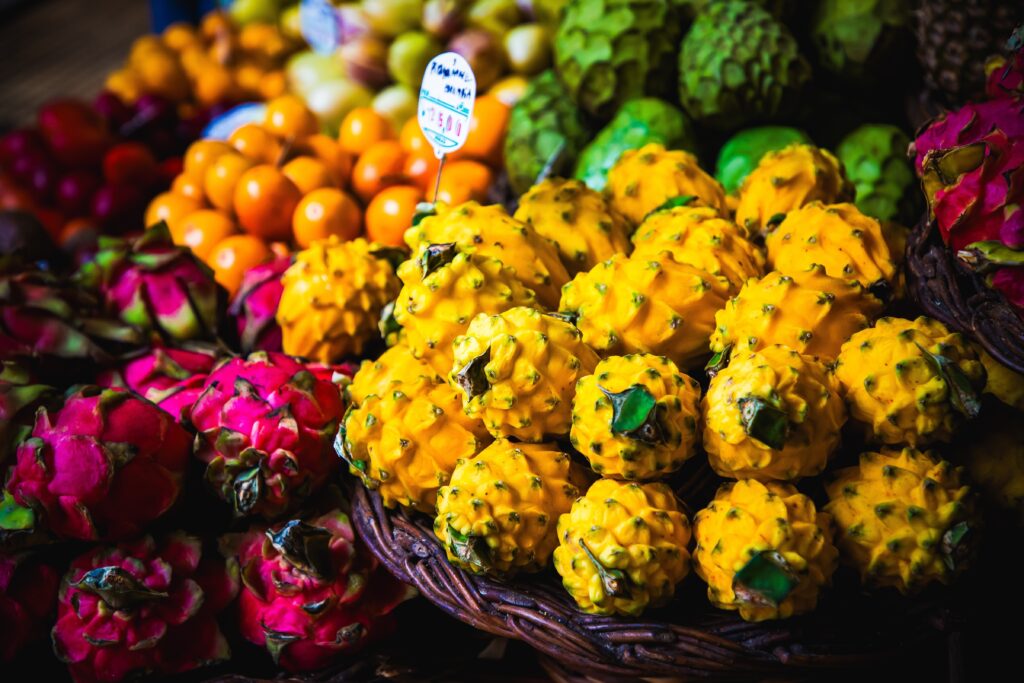
Melissa’s introduced white-flesh dragon fruit from California 17 years ago, and now distributes the yellow, white, and red varieties year-round. Despite what he describes as a “rough introduction,” due to its unusual looks, the item has seen tremendous growth in the past six years, Schueller says, earning a spot among upcoming fruit trends.
“It took a lot of education on our part in getting people excited about that particular tropical fruit,” he notes. “The yellow variety is like one of the sweetest fruits that are available out there in the marketplace.”
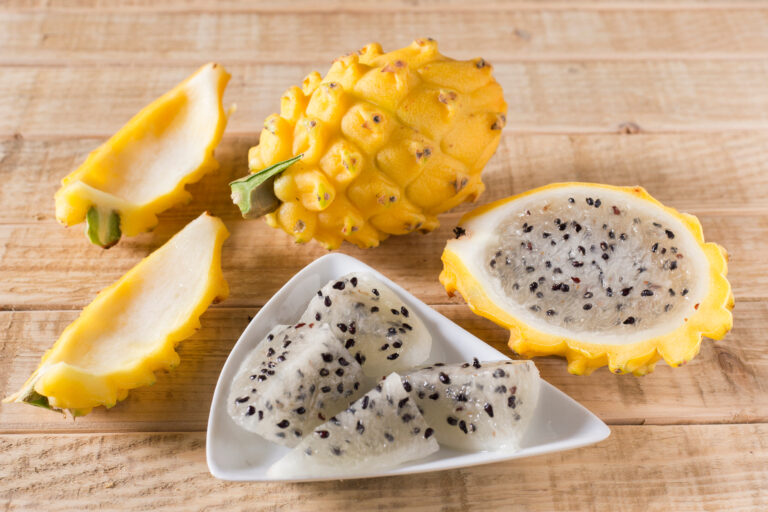
The Florida dragon fruit sector, in particular, ended 2025 on a high note, with a significant boost in production volumes.
Lastly, while papayas are not new to Melissa’s lineup, Schueller says demand is showing healthy signs for both large Caribbean red papayas and smaller strawberry papayas, which are primarily sourced from Brazil.
Schueller says Melissa’s Produce plans to release updated fruit trends after the start of the year, building on its annual presentation delivered each October at the IFPA International Produce Show. For now, he emphasizes that demand for specialty items remains resilient.