

Beyond export: Chilean researchers create healthier hamburgers with discarded cherry pulp
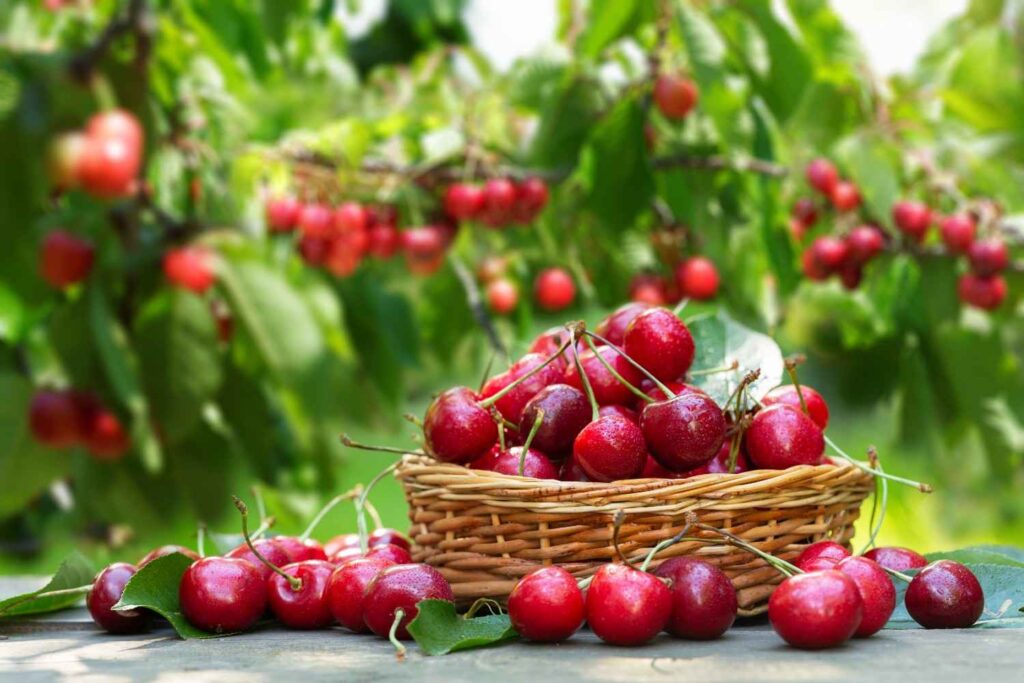



Chile has positioned itself as a major player in the global cherry market, and the crop has become the country’s main fruit in its agro-export basket. Production development and innovation have led to earlier harvests through agronomic management, extended post-harvest life, and strengthened commercial presence.


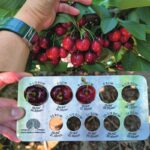
Over 90 percent of Chile’s cherry production is destined for China, a demanding market whose import standards for size, color, or soluble solids leave a significant portion of the Andean country’s crop ineligible for export. These cherries have traditionally been discarded, but now they could have a second chance at life in the elaboration of burger patties.
You read that right: hamburgers with cherry pulp.
Burgers with a cherry pulp twist
Nelson Loyola, a professor and researcher at the Catholic University of Maule, in Chile, wanted to push food innovation further. His goal was to find a way to make something with the cherries that didn’t meet export requirements, while at the same time improving an ingredient commonly associated with junk food.
"The solution was to unite both challenges in an innovative product that reduces fat content and improves its sensory perception," explained Loyola.
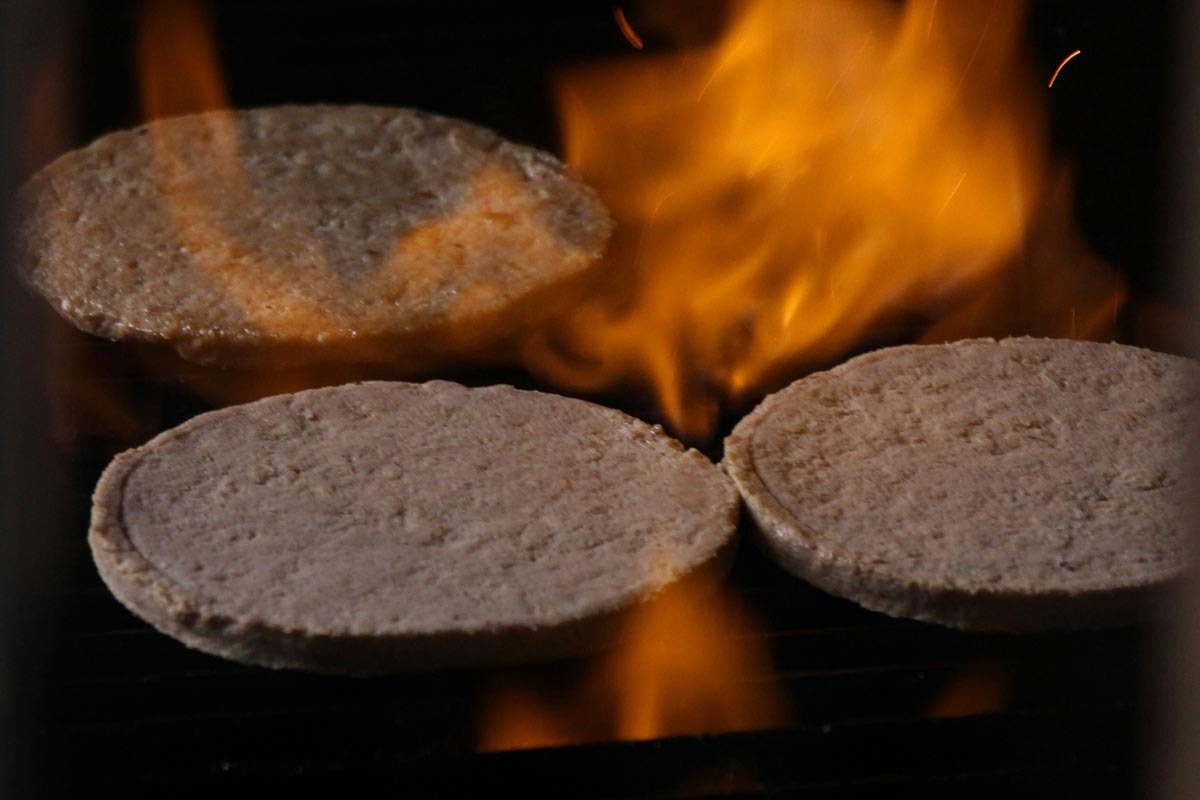
He developed a study exploring the idea of incorporating cherry pulp into homemade burger patties. The researchers experimented with different ratios of the material—ranging from eight to 15 percent—and added them to burgers made with store-bought meat.
He and his team measured variables such as pH, acidity, humidity, fat content, color, and texture. Additionally, they carried out microbiological analyses according to Chilean sanitary regulations and sensory evaluations with trained panels.
Among the study’s most relevant results, Loyola highlighted that incorporating cherry pulp into burgers reduced fat content by up to 16 percent compared to traditional patties.
"At a sensory level, the panelists valued the crispiness, pleasant flavor, and good texture of the product, although some mentioned a slight excess of salt, explainable by the base formulation used, similar to those in the mass market," he specified.
Cherries as added value
The researcher underscored the Chilean economy’s dependence on exporting raw materials, rather than commercializing more processed and complex products. For this, he says, advancing food innovation is key.
"We cannot continue exporting fruit without added value. A country develops with technology and innovation," he stated.
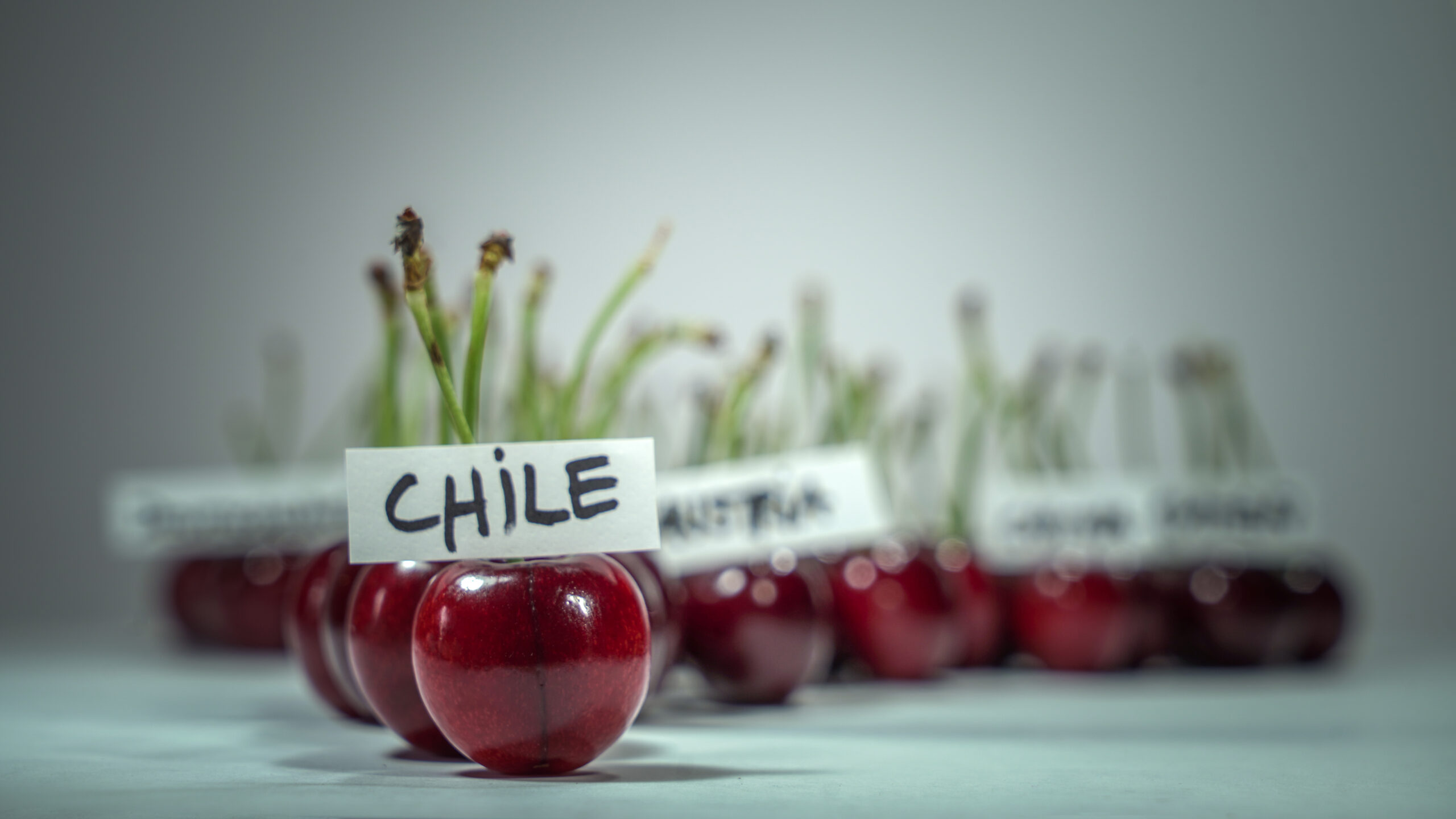
Loyola explained that his cherry pulp patties were patented before the Chilean National Institute of Industrial Property and are currently being assessed to bring the product to market.
He says companies in the meat industry have already shown interest, aiming to hit markets such as Chile and Brazil.
"An idea is not innovation if it is not a business," he stressed.
In that sense, the cherry pulp burger fulfills a double objective: "to offer a healthier option to the consumer and rescue a valuable byproduct in the fruit industry."
Chilean cherries beyond China
Loyola emphasized that innovations such as his cherry pulp burger are part of a more holistic view of Chile’s cherry production model, one which recognizes the risks of depending almost exclusively on the Chinese market.
"It cannot be that a single market concentrates 90 percent of our exports. A damaged cherry can close the entire market," he warned.
This line of research, he added, opens opportunities to articulate productive sectors such as fruit growing and livestock, especially in regions like El Maule, where both coexist.
"In that sense, the product is not only technically viable but also represents a strategic bet for national agri-food diversification," he said. "The current consumer seeks innovative, healthy, and sustainable foods. This burger could perfectly be in that line."
Related stories
Chilean biotech Meristem pioneers gene-editing technique to create more climate-resistant citrus



Subscribe to our newsletter