







How logistics efficiency and global demand propelled South African citrus into a record-breaking season
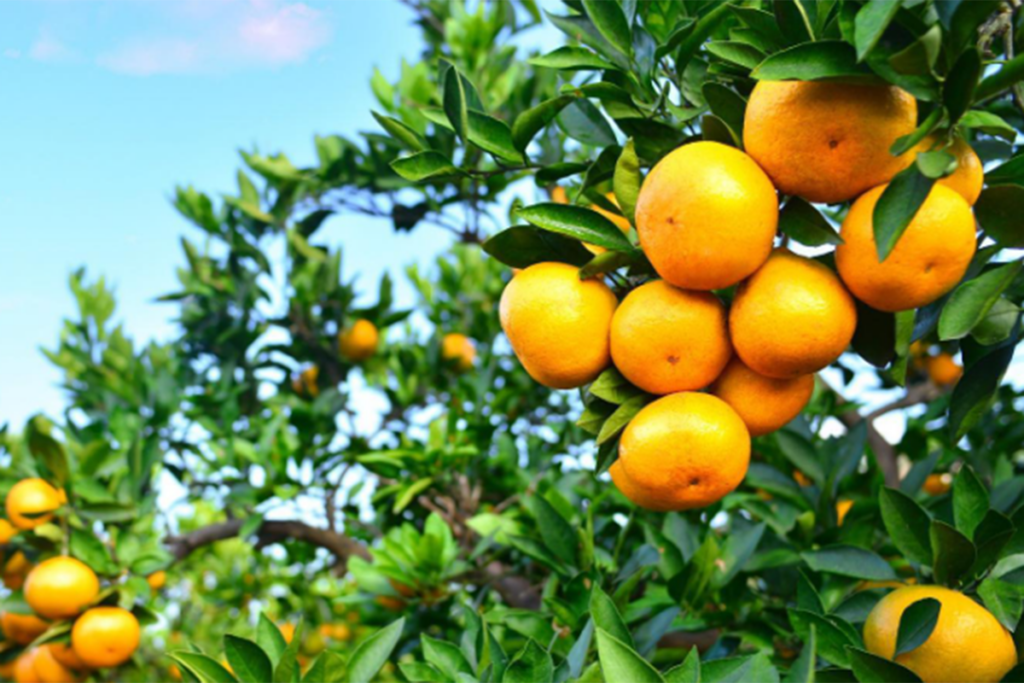



South African citrus growers concluded the 2025 season with a final tally of 203.4 million 33-pound cartons in exports, equating to three million tons of fruit.


According to the country’s Citrus Growers Association (CGA), this record-breaking performance represents a 19 percent increase from the initial estimate released back in April, and a 22 percent uptick compared to 2024.
In the season breakdown, South African grapefruit exports increased by seven percent compared to 2024, while mandarins experienced a whopping 28 percent year-on-year growth, which is 19 percent higher than initial expectations. Lemons also brought the heat, with a production 26 percent higher than the original estimate, and 19 percent above the 2024 total.
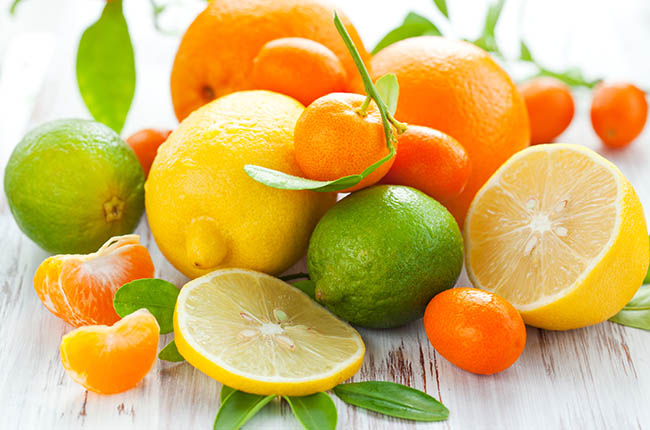
Navel Oranges showed a 25 percent year-on-year increase (21 percent above April expectations), while Valencia Oranges exports were above original estimates by 16 percent, and 26 percent compared to last year’s final tally for the category.
A boost from logistics and a shorter Northern season
Through a statement, CGA CEO Boitshoko Ntshabele explained that the growth is a result of a combination of factors, including favorable weather conditions in the growing regions and the many young trees that came into fruit this season.
Additionally, the executive mentioned the effects of unforeseen factors, such as exceptional demand in overseas markets for processing-grade juicing oranges and lemons, as well as an early end to the Northern Hemisphere's supply.
“This drove strong demand and extended our supply window by adding important sales weeks at the beginning of the South African citrus season,” said Ntshabele.
Improved logistics efficiency also played a part, according to the CGA, particularly the port efficiency achieved by investments in new equipment and the introduction of employee incentives linked to productivity. There was a high level of effective cooperation among all logistics players, including shipping lines, Ntshabele said.
The CGA also emphasized growers’ increased production efficiency related to water usage and pest management, which they say also contributed to “exceptional pack-outs and fruit quality.”
A steep growing curve for South African citrus
South African citrus export volume is slightly ahead of the country’s projection model, but it fits perfectly in the industry’s long-term growth strategy, which aims at the export of 260 million cartons by 2032.
According to the CGA, this will result in the creation of 100,000 additional jobs and a significant boost to the African country’s economy.
However, the organization is well aware that such a vision might be hindered by a wide range of factors, including unpredictable market dynamics, rising input costs, and market access issues stemming from what the organization refers to as “unscientific plant health measures.”
The (very real) ghost of US tariffs
The imposition of 30 percent tariffs by the United States remains a concern for South African citrus growers. Fortunately, the levies have had a limited impact on the industry, says the CGA, as they came into effect towards the end of the local season.
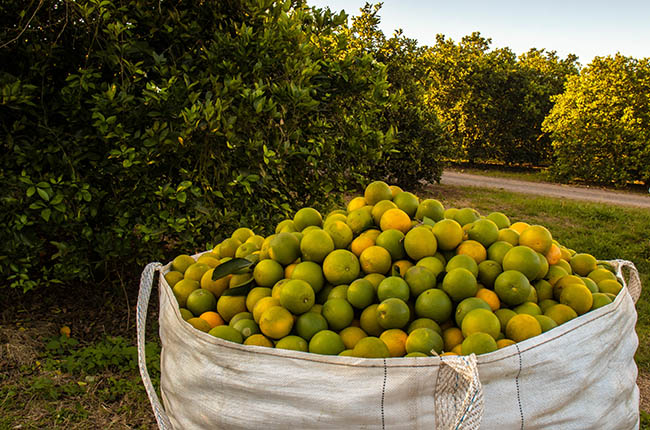
Additionally, growers in the Western and Northern Cape, the only two provinces that export to the US, were able to fast-track and complete shipments across the Atlantic before the tariff deadline.
Despite this limited impact, Ntshabele emphasized the gravity of the problem and urged the signing of a trade agreement between his government and the Trump Administration. The executive noted that it would “make sense” for such a document to include an exemption for citrus and other seasonal produce, “as the import of citrus sustains off-season consumption in the US and avoids unnecessary inflation.”
Additionally, Gerrit van der Merwe, Chairperson of the CGA, emphasized that market diversification is crucial for the South African citrus industry.
"It is imperative that the government actively pursues improved market access in China, India, Japan, South Korea, the European Union, and the United States,” he said. “These markets represent real growth opportunities for South African citrus, which is globally recognized for its quality and taste."
Related stories
How Milei's policies and global trends are reshaping Argentina's citrus export landscape









Subscribe to our newsletter