$300 billion in 2025: The key drivers fueling global fresh food e-commerce growth
 Add Fresh Fruit Portal to Google
The fresh food e-commerce market has seen substantial growth, according to Market Research Intellect.
The firm projects the sector will reach a valuation of $300 billion in 2025 and double its worth by 2033, with a compound annual growth rate of 8.5%. This expansion is supported by increasing online grocery penetration, rapid development of digital infrastructure, and strong consumer demand for fresh, high-quality products delivered conveniently.
Asia-Pacific leads the market due to its massive population and accelerated smartphone usage, followed by North America and its high demand for premium fresh food, subscription-based grocery services, and innovative fulfillment solutions like micro-warehousing and autonomous delivery.
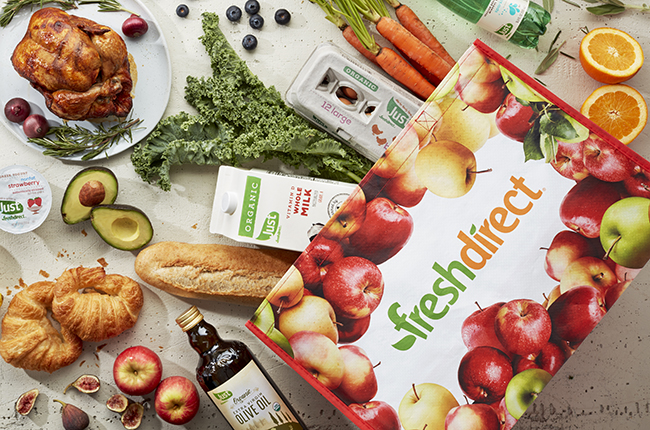
The market's projection highlights sustained momentum, driven by advanced logistics, wider retailer participation, and continuous improvements in supply chain efficiency.
Digital shift and a choice for fresh: what's driving fresh food e-commerce expansion
The market is undergoing a significant digital transformation as consumers increasingly prefer online platforms for purchasing fruits, vegetables, dairy, meat, and other perishables. As convenience becomes a cornerstone of modern retail, digital transformation remains a key driver of sustained expansion in the fresh food e-commerce landscape.
Advancements in mobile applications, seamless payment gateways, and user-friendly interfaces have made the buying process more intuitive and accessible, says the firm. Personalization tools, such as AI-driven product recommendations and dynamic pricing models, are also paying off and enhancing customer satisfaction and retention.
Fresh, but also practical
Consumers today are increasingly adopting online grocery shopping for its convenience, time savings, and improved access to high-quality fresh foods, says the market research firm.
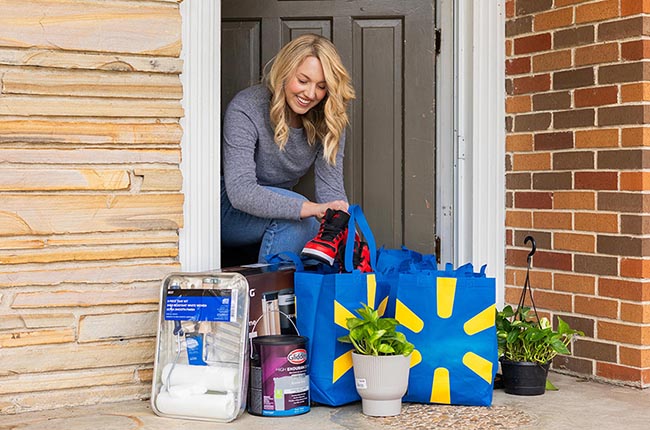
The shift in lifestyle, particularly among urban working professionals and nuclear families, has generated strong demand for quick, reliable, and hassle-free delivery services. The emphasis on freshness and quality assurance has further strengthened trust in online platforms, as many retailers now offer farm-to-door supply chains, enabling faster and fresher deliveries.
Another trend is the growth of subscription models and curated food baskets, as they've gained popularity among health-conscious consumers seeking organic produce and sustainable options. Flexible delivery windows, instant refunds, and easy returns enhance the overall shopping experience.
Convenience powered by supply chain innovation
Advanced supply chain solutions are transforming the fresh-food e-commerce market, enabling seamless handling of perishable goods, reads the Market Research Intellect report.
Cold-chain logistics, including temperature-controlled warehouses, refrigerated vehicles, and smart monitoring systems, ensure optimal freshness throughout transit. These advancements are complemented by predictive analytics to forecast demand, reduce waste, and maintain stock levels efficiently.
As sustainability becomes important, eco-friendly packaging solutions and carbon-efficient delivery methods are also gaining traction, says the report. These innovations collectively ensure the freshness, quality, and safety of perishable items are preserved, improving reliability and strengthening consumer trust in online fresh-food purchasing channels.
A competitive and dynamic landscape
The fresh food e-commerce market is experiencing intense competition due to the entry of global giants, regional players, and specialized niche brands.
Mergers, acquisitions, and strategic partnerships are becoming common in the fresh food e-commerce sector, as companies attempt to strengthen their infrastructure, expand their product portfolios, and enhance their geographical reach.
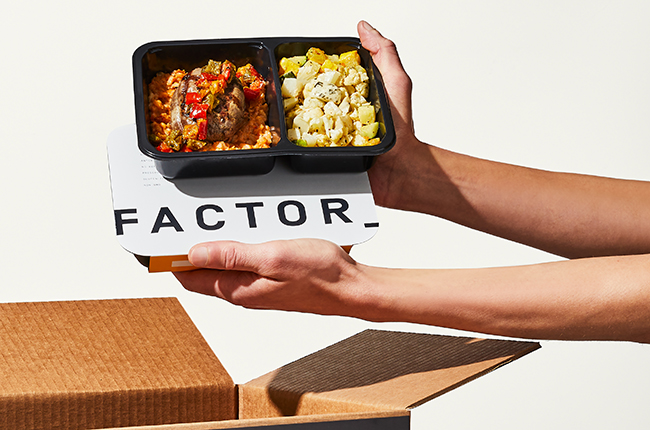
Smaller players focus on hyperlocal strategies, targeting specific neighborhoods with faster delivery services and exclusive offerings. Some companies differentiate themselves through premium organic products, subscription meal kits, or locally sourced produce.
What about retail?
The fresh food e-commerce market is significantly transforming how customers purchase daily essentials and fresh produce.
Retailers are increasingly integrating digital-first strategies, leveraging omni channel platforms to provide seamless shopping experiences through online ordering, doorstep delivery, and click-and-collect services.
Fresh food e-commerce is pushing traditional supermarkets to modernize operations, upgrade cold-chain capabilities, and invest in inventory automation to meet evolving expectations for freshness and speed.
Additionally, partnerships with farmers, logistics players, and technology providers are strengthening supply chain efficiency and widening product accessibility. Overall, the market is driving innovation, competition, and customer-centricity across the Consumer Goods and Retail landscape.