






Organic dried fruit market to reach $5.78 billion by 2033, driven by consumer demand for clean-label snacks



The organic dried fruit market is experiencing strong growth, according to marketing researcher Verified Market Reports. The expansion is driven by surging consumer demand for clean-label, nutrient-dense snacks, rising disposable incomes, and the rise of sustainable food products.


In a recently published report, the firm projects a compound annual growth rate of 6.5 percent for the sector between 2026 and 2033. This, the document states, would lead the market valuation of $3.35 billion in 2024 to reach $5.78 billion by 2033.
Advancements in dehydration technologies and packaging innovations are enhancing shelf life and product quality, supporting premiumization and brand differentiation.
Organic dried fruit trends and opportunities
Consumers are trading up to certified organic dried fruit for clean-label snacking, functional ingredients, and on-the-go nutrition, driving higher average selling prices and margin expansion for branded players.
This trend is expanding as organic dried fruit becomes a valuable ingredient in functional foods, plant-based R&D, cereals, bakery inclusions, and foodservice, where it is used as premium garnishes and mixology ingredients.
Verified Market Reports advises retailers to convert mainstream buyers by betting on functionality through single-serve packaging or portion-controlled formats for on-the-go consumption and kids' lunchboxes.
The firm also says seller strategies should focus on organic dried fruit as a recovery snack and on culinary-focused products and pricing tactics, such as subscription bundles and value packs.
“Together, these innovations increase penetration by transforming a commodity purchase into an experience and functional benefit,” the report says.
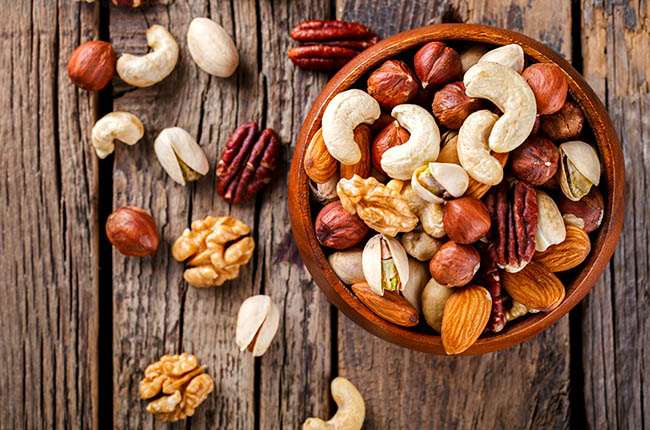
Finally, technology has also helped with industry growth. Low-temperature dehydration, vacuum-drying, and advanced modified-atmosphere packaging reduce nutrient loss and support value-added product categories, such as bite-sized, pre-mixed, and keto/paleo blends.
Geographic dominance and market structure
The global footprint of organic dried fruit is concentrated across several geographies that play distinct roles in production, processing, and consumption.
Asia-Pacific countries lead in dried fruit export volumes and processing capacity, partly due to low-cost input production, established dehydration infrastructure, and scalable labor models. The region is also gaining traction in organic acreage conversion initiatives and cold-chain investments, which make it strategically important for global supply.
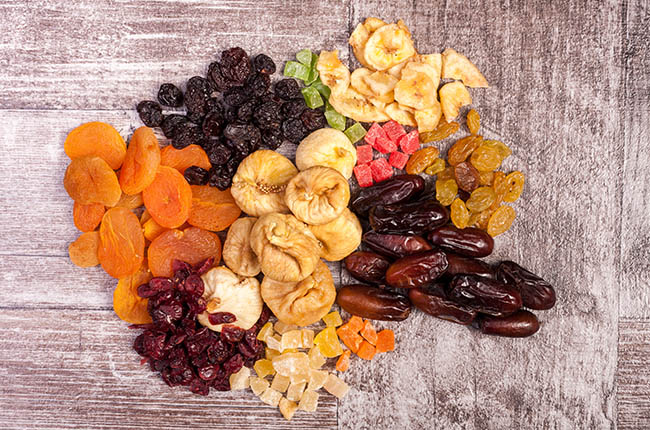
Meanwhile, Europe commands high per-capita consumption of premium dried fruit and exerts stringent regulatory standards that shape global organic compliance. Western European markets drive innovation in value-added products such as snack mixes. The market also rewards traceability.
Across the Atlantic, the US and Canada are major demand centers for branded organic dried fruit and private-label assortments. US regulatory frameworks for food safety and organic certification shape export acceptance criteria, making compliance critical for exporters.
Related stories
Daily dried fruit consumption may help ease chronic constipation
Beyond walnuts: Chile explores opportunities and challenges for pistachio cultivation
Chilean dried plum exports show diversification and growth in 2025









Subscribe to our newsletter