








Global cherry industry 2025: Southern hemisphere dominates as quality and logistics become core focus




The global cherry industry’s 2025 was marked by adjustments and strategic redefinitions, characterized by more limited global production in the Northern Hemisphere and sustained export prominence of the Southern Hemisphere.


China continues to lead the fruit’s global production, although a large part of its volume is destined for internal consumption. Meanwhile, countries such as Türkiye, the United States, and several members of the European Union—including Spain, Italy, Poland, and Greece—faced a season conditioned by climatic factors, limited labor availability, and high production costs.
In Chile, 2025 reaffirmed its position as the leading global exporter of fresh cherries, accounting for the largest volume of international shipments during the Northern Hemisphere counter-season.
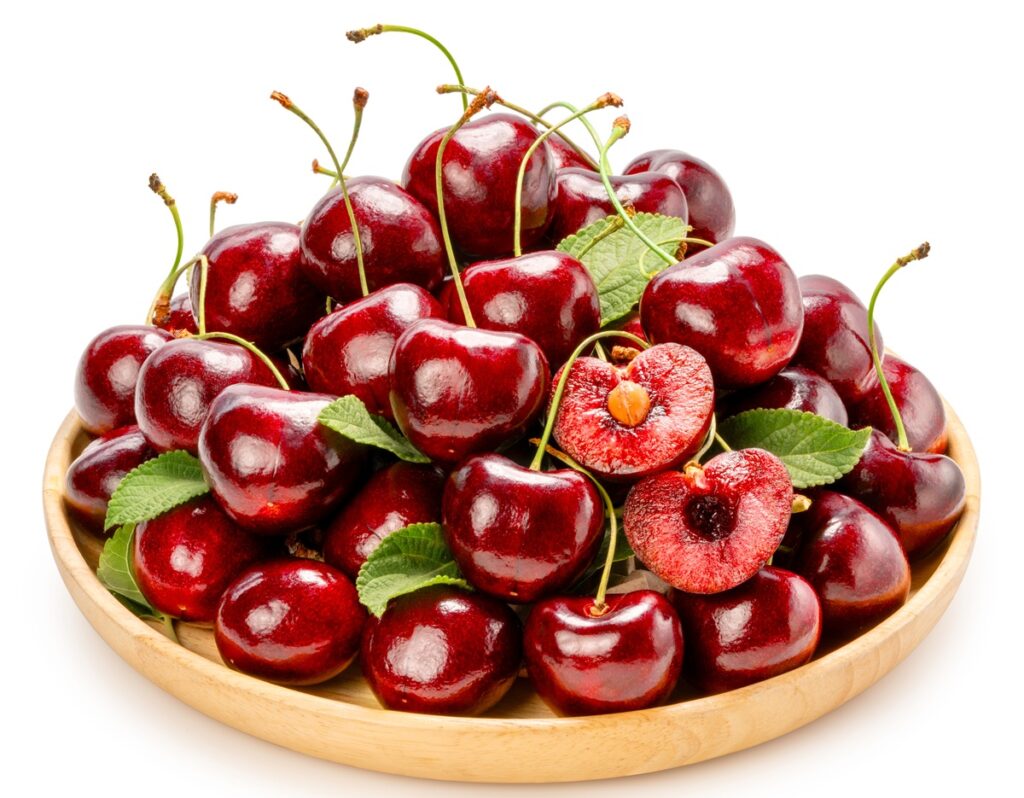
The Asian giant remains the main market for Chilean supply. However, the country's cherry industry continues to work to diversify its exports to destinations such as the United States, Europe, Latin America, and India.
Along with Chile, this year South Africa consolidated its export growth with a favorable season, while Australia, New Zealand, and Argentina maintained more limited participation, oriented towards specific markets and strategic commercial windows.
The cherry industry prioritized quality in 2025
This past year also evidenced an increasingly demanding cherry trade in terms of quality and condition. These new parameters tested logistical efficiency under pricing pressure and greater competition.
From a global perspective, a report from the United States Department of Agriculture (USDA) projects that world stone fruit production will decline by more than 10 percent in 2025/26, mainly due to lower harvests in Türkiye, the European Union, and the United States. On the other hand, increases are expected in China and Chile, which will partially offset the decline.
Back in October, and in its capacity as the world leader in fresh cherry exports, Frutas de Chile reported that shipments would total 131 million boxes in the 2025-2026 season.
However, the Federation of Fruit Producers of Chile (Fedefruta) anticipates lower cherry volumes compared to recent years. The guild attributes this to agronomic decisions aimed at improving fruit caliber and condition, and to a "productive hangover" following abundant previous seasons.
Southern Hemisphere: Chile, Argentina, and South Africa
In Chile, the season is already underway, with the cherry industry in full harvest and focused on logistical issues to ensure high-quality shipments. Efforts include new packing plants in phytosanitary-free zones to enable dispatches from different points in the country.

Meanwhile, South Africa is experiencing a promising season, with production projected to increase due to favorable climatic conditions. At the same time, the country is negotiating access to the Chinese market for the 2026/27 season.
Back in the Americas, Argentina continues to focus on supplying cherries to niche markets, diversifying its offerings beyond China, with a strong emphasis on fruit quality.
Europe: Variety and diversified production
In Spain, the emblematic cherry of the Valle del Jerte had an ample harvest, extending its availability in the European seasonal market.
Cherry consumption has also been dynamic in the European Union, with increases in volume and imports. The cherry industry in countries like Italy, Poland, Spain, Greece, and Germany stand out both in production and domestic consumption.
Another milestone for Spanish cherries was the opening of the Chinese market. The phytosanitary protocol is valid for three years and establishes that the processing, packaging, storage, and transport of cherries destined for export will be carried out under the supervision of Spain's Ministry of Agriculture, Fisheries, and Food.
North America and other origins
In the United States, although production declined in volume (especially in California and Michigan), the country remains a relevant player in the cherry production and trade map.
China remains the leading destination for Chilean fruit, largely due to high demand during year-end celebrations, such as the Lunar New Year.
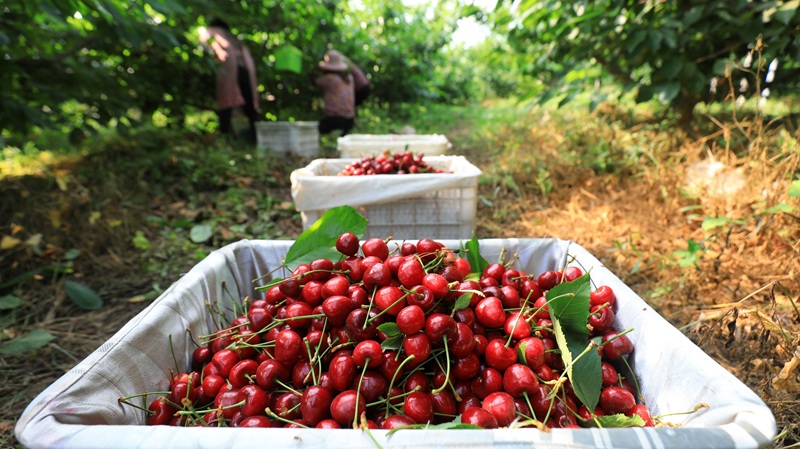
At the same time, emerging markets such as India are showing growing interest in imported cherries. Chile is presented as one of the key suppliers, although shipments remain limited by logistics and volume.
Logistics, quality, and challenges
The Chilean cherry industry has strengthened its logistics for the 2025/26 season, highlighting the inauguration and expansion of the Cherry Express service for direct maritime transport to Asia. This new service improves transit times and competitiveness compared to traditional means.
However, challenges persist for the global cherry industry—from climatic conditions to the need to continue innovating in post-harvest management to ensure the fruit's optimal condition at its destination.
In this context, quality is positioned as the central axis for all cherry supplier countries. The consumption experience today is fundamental to generating sales and repeat purchases by the final consumer.
With this clear objective, the Southern Hemisphere cherry industry is working at full speed, capitalizing on lessons learned from previous seasons, in which logistics, quality, condition, and market diversification converge.
Related stories
French cherry production projected up in 2025
Climate change forces Chile's cherry industry to rethink how it grows its star crop
Global fresh cherry production expected to drop over 10 percent in 2025-26





Subscribe to our newsletter