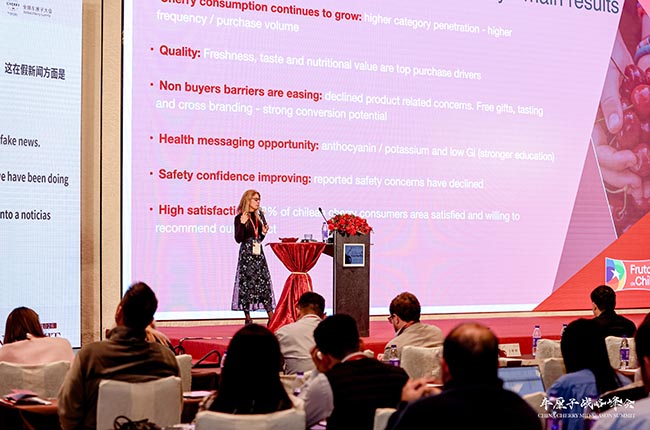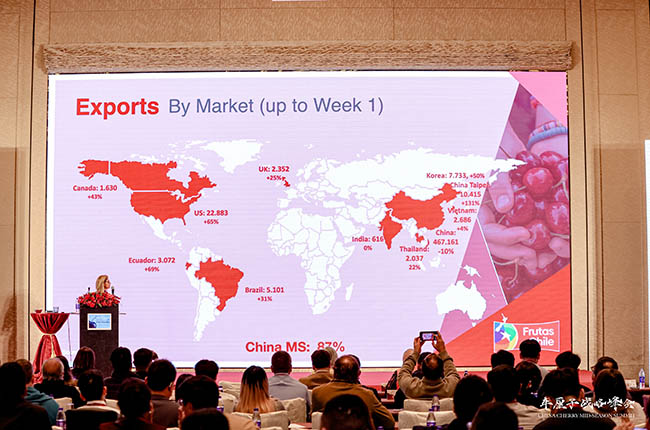


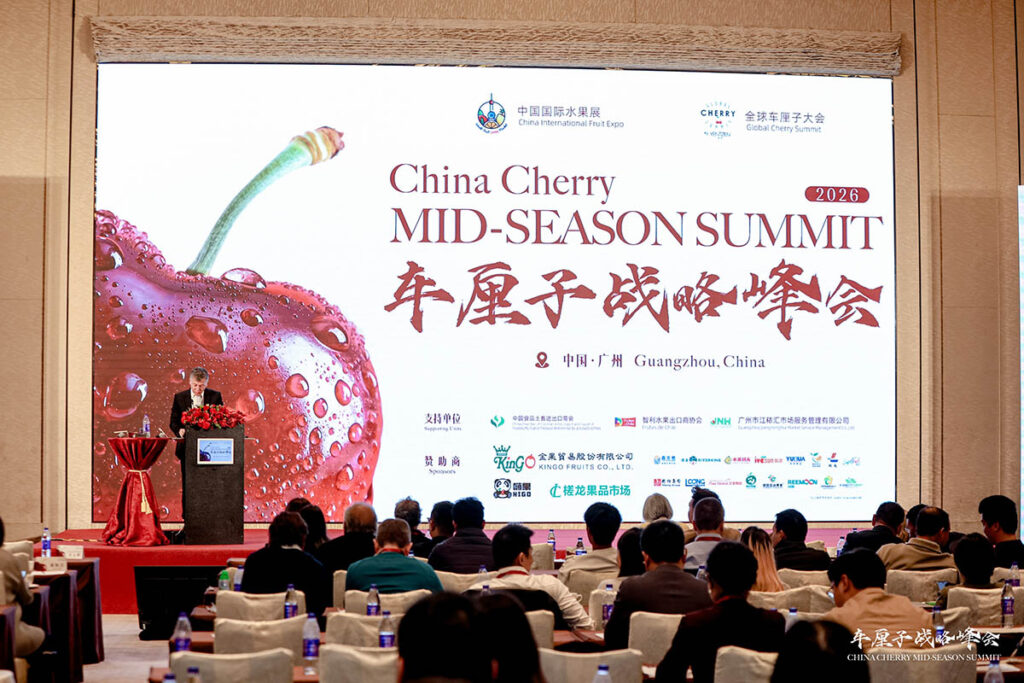
The China Cherry Mid-Season Summit analyzed the new tenets for Chilean cherry exporters in Asia



Written and reported by Macarena Bravo | Lee esta noticia en Español


The Chilean cherry season is in its final stretch. However, there’s still volume to sell and decisions to make, making it an ideal time to adjust the course and close the season successfully.
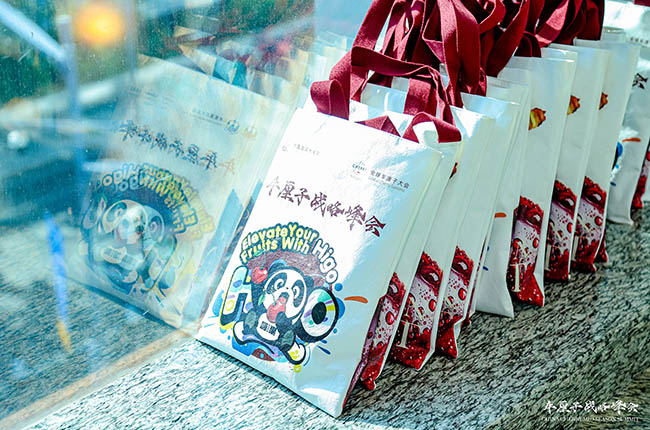
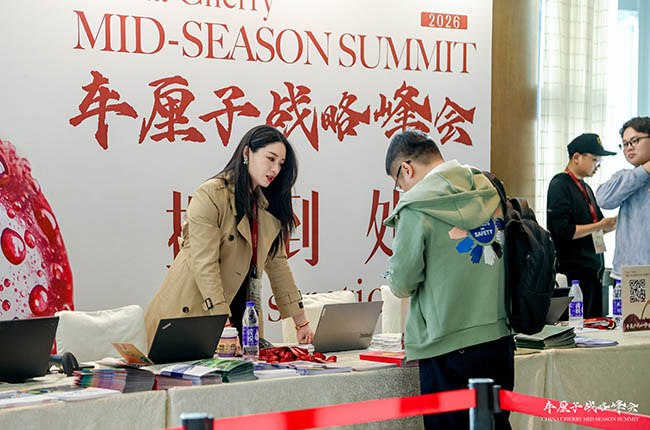
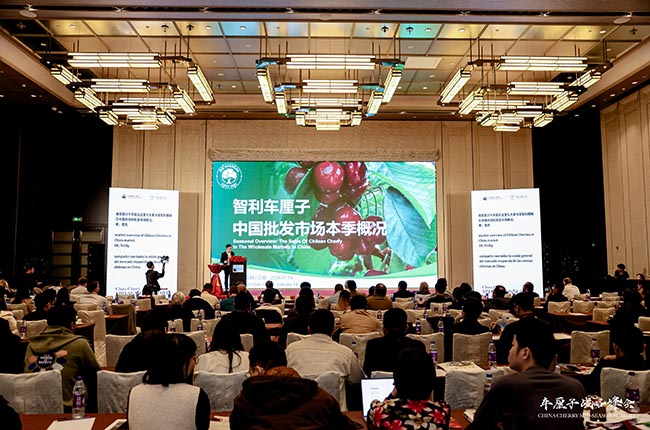
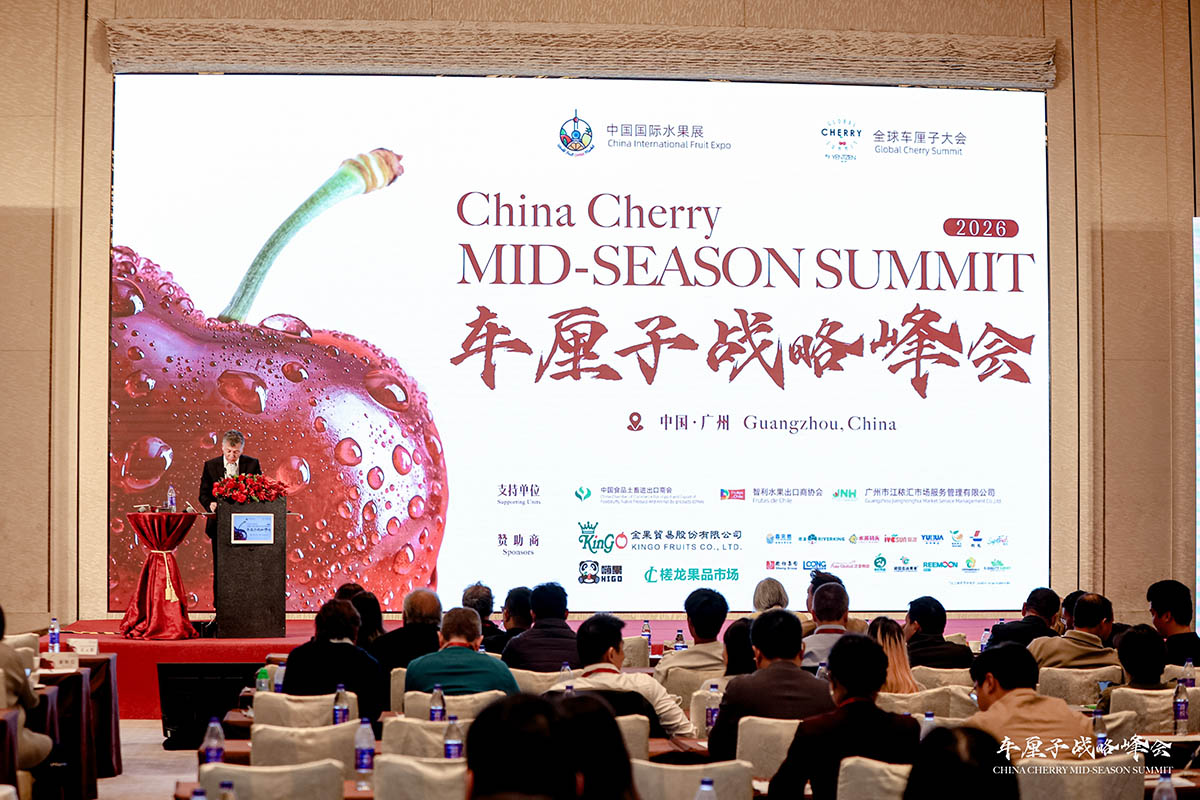
In this context, the Andean country’s cherry industry met up with its peers in the Asian Giant in the first edition of the China Cherry Mid-Season Summit. The event was organized by Shanghai EverFlourish Events Co., Ltd., in collaboration with Global Cherry Summit by Yentzen Group, and supported by the Cherry Committee of Frutas de Chile and the China Chamber of Commerce of Import & Export of Foodstuffs, Native Produce & Animal By-Products (CFNA).
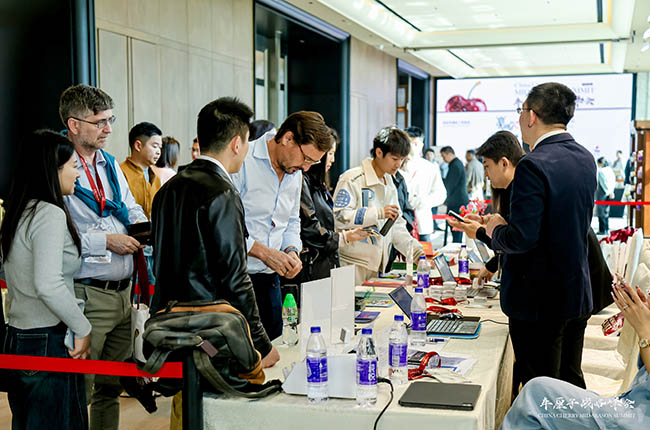
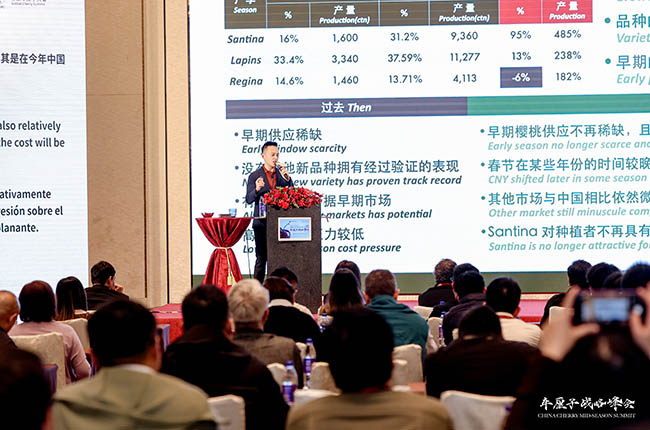
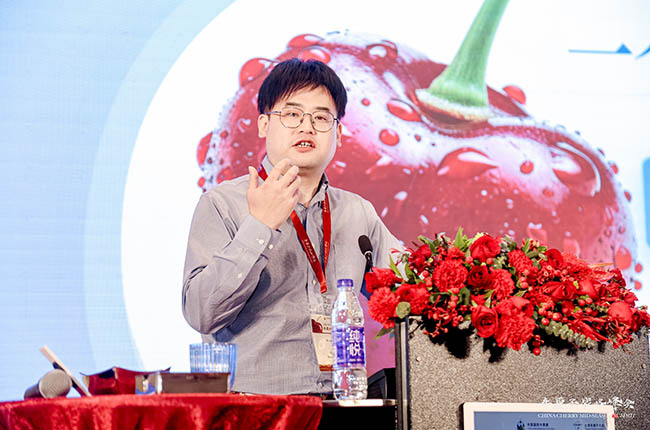
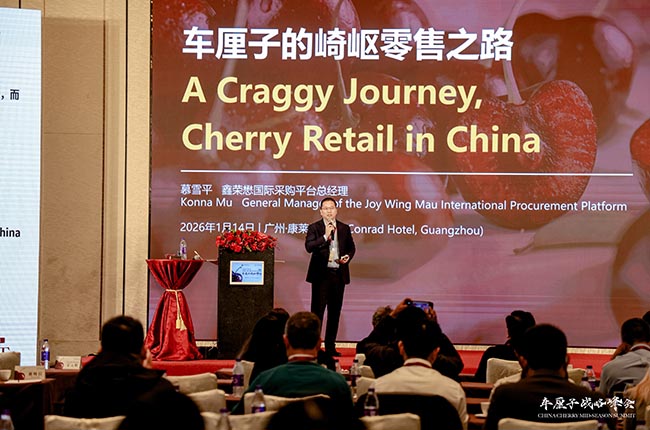
Producers, exporters, importers, and representatives of the Chinese retail sector were among the 230 attendees who gathered in the city of Guangzhou. Through panels and plenty of time for networking, participants gained valuable market feedback, analyzed the most relevant aspects of the season, and received key data to better understand its evolution.

"We are very happy to have hosted the China Cherry Mid-Season Summit. Being able to contribute to the industry, and in this case, in China, is something that makes us proud,” said Gustavo Yentzen, chairman of the board of Yentzen Group, to FreshFruitPortal.com. “In difficult times, it is essential to meet and share data, visions, and market perspectives."
He added that the second edition of the China Cherry Mid-Season Summit will take place in 2027, with the aim of unifying the industry and market players in a meeting point for timely decision-making.
China Cherry Mid-Season Summit presents quality as a new commercial strategy
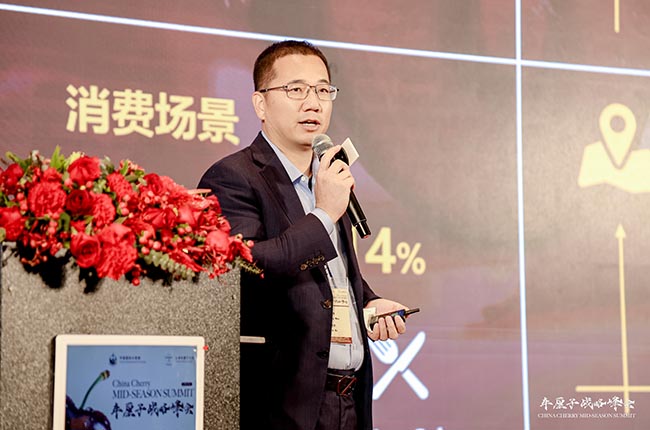
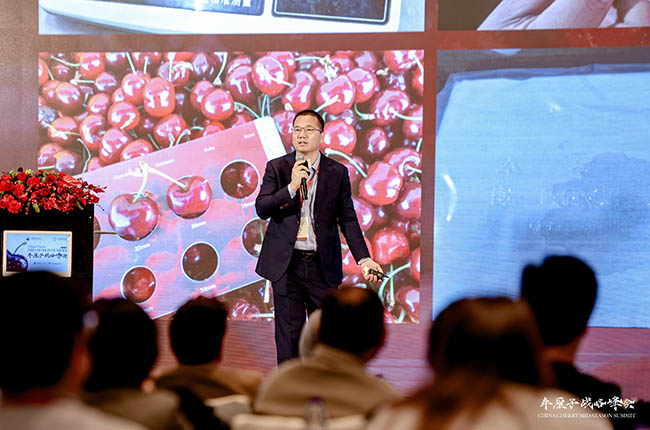
Julio Ruiz-Tagle, Asia & Americas Manager for D-Quality Survey, was a keynote speaker at the China Cherry Mid-Season Summit. His presentation centered on how quality intelligence has become a strategic tool for understanding an increasingly mature and complex market like China, especially in the cherry business.
"To understand the Chilean business in China, it is essential to give a commercial context to quality. Quality on its own does not say much if it is not connected to how the market responds," he explained.
The executive was clear that the industry cannot view China as a homogeneous market, highlighting differences between Shanghai and the Yangtze River area, as well as between second- and third-tier cities (T2 and T3), which today account for a large share of consumption growth.

Regional differences create true chasms within the Chinese market. On the one hand, large cities generally stand out for their consumers, who are demanding and volatile but willing to pay higher prices for a premium product. On the other hand, buyers in emerging cities are more flexible regarding quality, but respond more quickly to price changes.
Another relevant element Ruiz-Tagle mentioned at the China Cherry Mid-Season Summit was the difference between commercial channels. He was adamant that sending fruit to the wholesale market is not the same as sending it to retail or e-commerce, as each channel has different expectations, risks, and quality tolerances.
"Understanding this is key to deciding what fruit to send, where, and under what conditions," stated Ruiz-Tagle.
The executive concluded his presentation at the China Cherry Mid-Season Summit by inviting the industry to analyze the season in stages, as "just as China is not a whole unit, neither is the season."
"[In the early stage] with low supply and high demand, the market is usually more tolerant. At the peak, however, any defect is strongly penalized in price. And towards the end, with a fatigued market and lower average quality, only exceptional fruit achieves good returns," he pointed out.
Ruiz-Tagle positively assessed the China Cherry Mid-Season Summit, highlighting its attendance, the high level of the talks, and the integration between Chilean and Chinese actors.
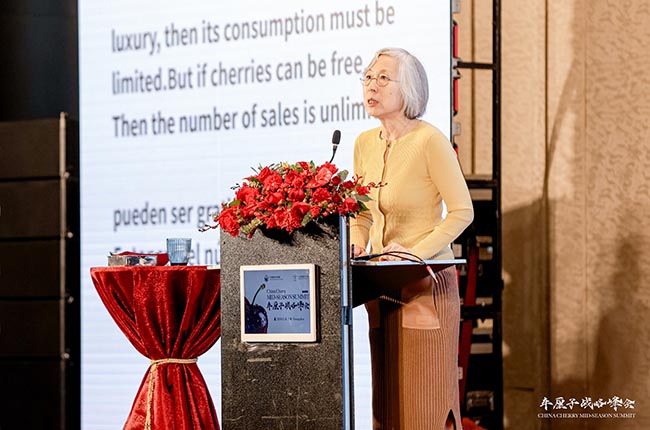
"The message is clear: this market has already matured. It is no longer just about packing and sending. There is a lot of volume, the Chinese economy is slower, and cherries have ceased to be a luxury product," he affirmed.
China: A mature market that demands changes
For her part, Magdalena Toro, commercial manager at Exportadora del Sur, participated in the China Cherry Mid-Season Summit's final panel. There, she underscored that the sector must prioritize building long-term relationships based on trust and involving producers, exporters, and final customers.
When asked about the key steps to continue strengthening the industry's historical relationship with Chinese importers and consumers, Toro was emphatic that today the market is different.

"It is no longer a growing market that is testing what it wants. Today, the customer knows exactly what they are looking for: a stable and good quality product," she explained.
In this sense, she stressed that the current challenge is to produce and export based on the client's real demand, avoiding experimenting with calibers or formats the market is not requesting.
According to the executive, during the China Cherry Mid-Season Summit, there was an overall consensus that collaboration and quality are the fundamental pillars for facing the market today.
"We all agreed that progress is being made in that line and that the common goal is to deliver a good product," she commented.
Finally, the expert highlighted significant improvements compared to the previous season, particularly in aspects such as Brix degrees and fruit condition. Although she acknowledged that prices remain low, she maintained that product quality has made important strides.
"It is a difficult year due to calendar and demand factors, but compared to last season, the product today is better," she concluded.
Related stories
Chile's first seaborne cherry shipment sails to China on the Cherry Express service
Chilean cherries look to the US market amid higher supplies
Chile's cherry season expects smaller yield but better fruit









Subscribe to our newsletter